The Surprising Origins of Your Favorite Party Snacks
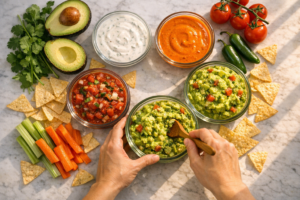
Game day dips have become as essential to football viewing as the teams themselves. Every February, millions of Americans gather around their televisions with bowls of creamy, crunchy, and savory concoctions. These dips represent more than just food—they embody decades of agricultural innovation, marketing genius, and changing American tastes.
What I Recommend
When you’re making guacamole from scratch on game day (and trust me, homemade beats store-bought every single time), a good avocado slicer tool is honestly a game-changer. I used to wrestle with avocados using a knife, and it was messy and dangerous. This tool makes it so much faster and safer, which matters when you’re prepping for a crowd.
I’m obsessed with my original molcajete Mexicano for making fresh salsa and guac. There’s something about the texture you get from grinding with a molcajete versus a food processor—it’s more rustic, more flavorful, and honestly, it just feels right when you’re honoring game day traditions. Plus, it looks beautiful on your table.
For serving your dips without constantly refilling chip bowls, a quality porcelain chip and dip server like the LAUCHUH is worth every penny. It keeps your chips separate from your dip, prevents sogginess, and looks way more intentional than dumping everything into random bowls. Your guests will notice.
If you’re serving guacamole and want to keep it fresh-looking throughout the game, Food Huggers Avocado covers are legitimately useful. I use these to keep my halved avocados from browning while I’m prepping other appetizers, and they’ve saved me from having to make guac twice in one day.
Want to elevate your chip game beyond the standard tortilla chip? A mandoline-style cutter like the Magiccos lets you slice potatoes, plantains, and other vegetables paper-thin for homemade chips that’ll make your store-bought bags look sad. Your guests will be absolutely blown away, and honestly, it’s easier than you’d think.
*As an Amazon Associate, I earn from qualifying purchases.
The story behind these beloved party staples reveals fascinating connections between international trade, seasonal farming, and consumer behavior. Understanding this evolution helps us appreciate the complex journey from farm to table.
How Trade Policy Changed American Snacking Forever
The 1990s marked a turning point for American party food. Before this decade, certain ingredients remained scarce or expensive during winter months. However, trade agreements transformed the landscape of what Americans could enjoy during February gatherings.
Mexican avocado imports faced restrictions for decades due to agricultural concerns. Source This policy change revolutionized the availability of fresh avocados during winter months. Consequently, what was once a seasonal luxury became a year-round staple.
The timing couldn’t have been more perfect. Football’s biggest event occurs in early February, precisely when Mexican avocado harvests reach their peak. This natural synchronization created unprecedented opportunities for both growers and consumers.
The Marketing Machine Behind Guacamole’s Rise
Avocado trade associations recognized the potential immediately. They launched aggressive marketing campaigns targeting football fans specifically. These organizations understood that creating traditions around major sporting events could drive massive sales increases.
The campaigns emphasized convenience, health benefits, and social appeal. Advertisers positioned guacamole as the perfect party food—easy to prepare, nutritious, and universally appealing. Moreover, they created recipe variations to suit different taste preferences and dietary needs.
Television commercials during sporting events became increasingly sophisticated. They showcased guacamole as essential to authentic game day experiences. As a result, consumer demand skyrocketed beyond anyone’s initial projections.
Creating a Cultural Phenomenon
The marketing efforts extended beyond traditional advertising. Trade associations partnered with celebrity chefs, food bloggers, and lifestyle influencers. These collaborations generated organic buzz and positioned guacamole as trendy rather than traditional.
Social media amplified these efforts exponentially. Food photography made vibrant green guacamole incredibly shareable online. Furthermore, the rise of food culture television programming gave avocado-based dips prominent featuring in cooking shows and competitions.
The Science of Seasonal Availability
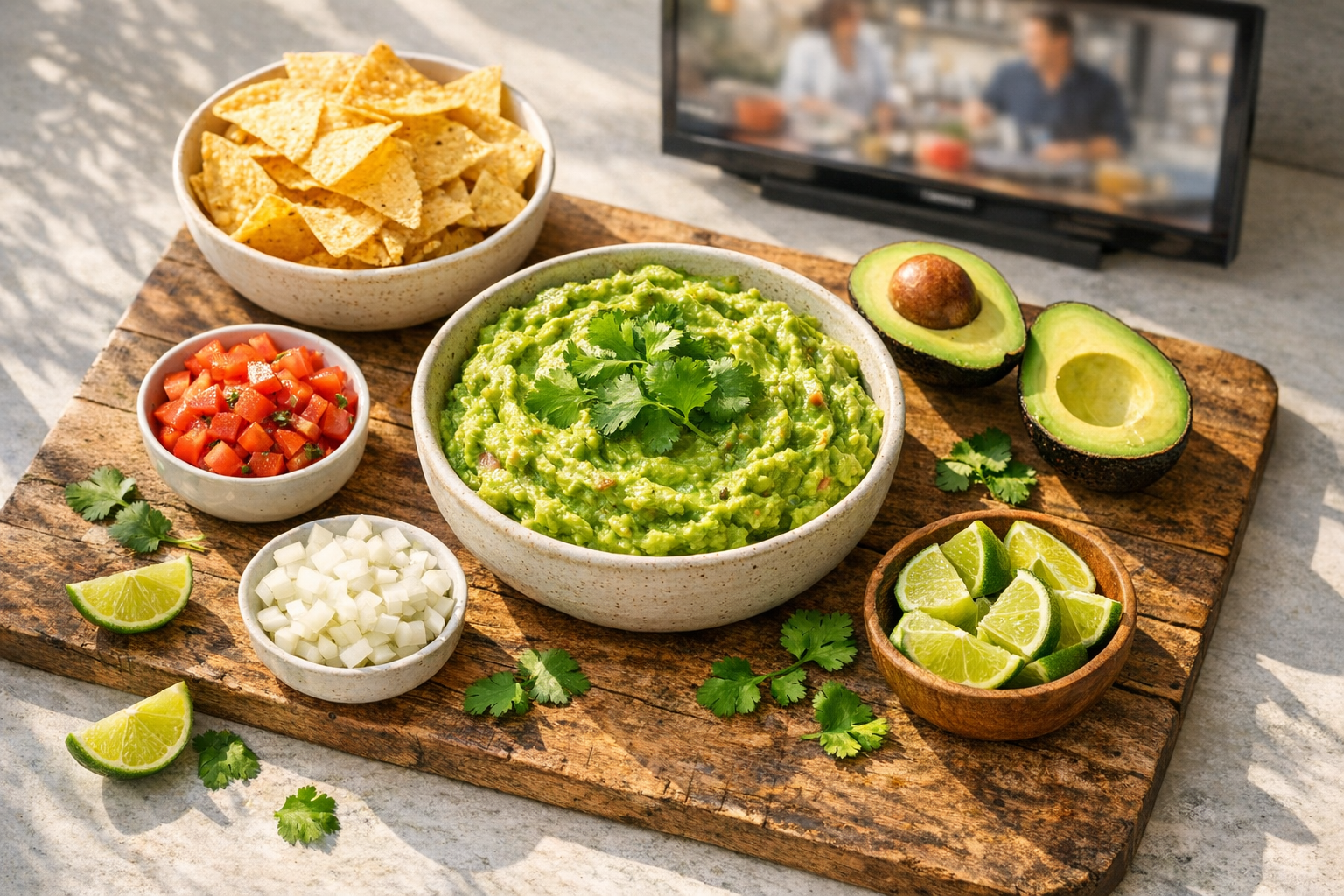
Understanding harvest cycles explains why certain dips dominate specific seasons. Mexican avocado orchards experience peak production from October through February. This timing aligns perfectly with American football season, creating natural market synergy.
The climate in Mexican growing regions provides ideal conditions during these months. Moderate temperatures and controlled rainfall produce high-quality fruit with optimal oil content. Therefore, avocados arriving in January and February offer superior taste and texture.
Other ingredients followed similar patterns. Dairy producers ramped up cheese and sour cream production to meet increased demand. Pepper growers coordinated harvests to ensure fresh jalapeños and serranos reached markets simultaneously.
Classic Guacamole: The Foundation Recipe
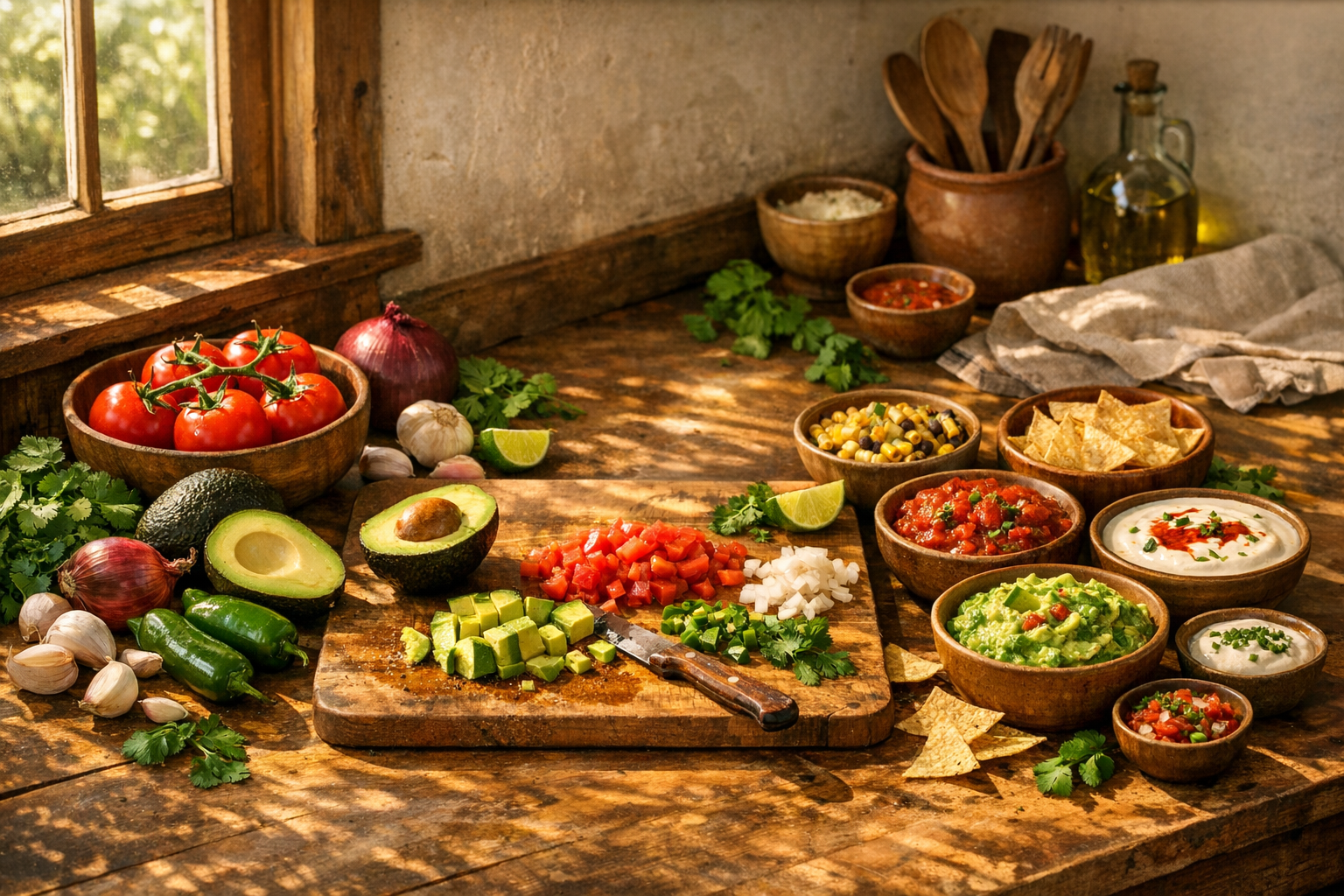
Every great game day spread needs authentic guacamole. This recipe delivers restaurant-quality results with minimal effort.
Classic Guacamole
Ingredients:
- 4 ripe avocados, halved and pitted
- 1/4 cup fresh lime juice (about 2 limes)
- 1/2 cup diced red onion
- 2 medium tomatoes, seeded and diced
- 1/4 cup fresh cilantro, chopped
- 2 jalapeño peppers, seeded and minced
- 1 teaspoon sea salt
- 1/2 teaspoon ground cumin
- 1/4 teaspoon black pepper
Instructions:
- Scoop avocado flesh into a large bowl and mash with a fork to desired consistency
- Add lime juice immediately to prevent browning and mix thoroughly
- Fold in diced onion, tomatoes, and cilantro gently
- Stir in minced jalapeños, adjusting amount based on heat preference
- Season with salt, cumin, and black pepper, mixing well
- Taste and adjust seasonings as needed
- Cover with plastic wrap pressed directly onto surface and refrigerate for 30 minutes
- Serve immediately with tortilla chips or fresh vegetables
Beyond Guacamole: The Dip Revolution
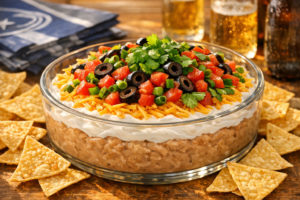
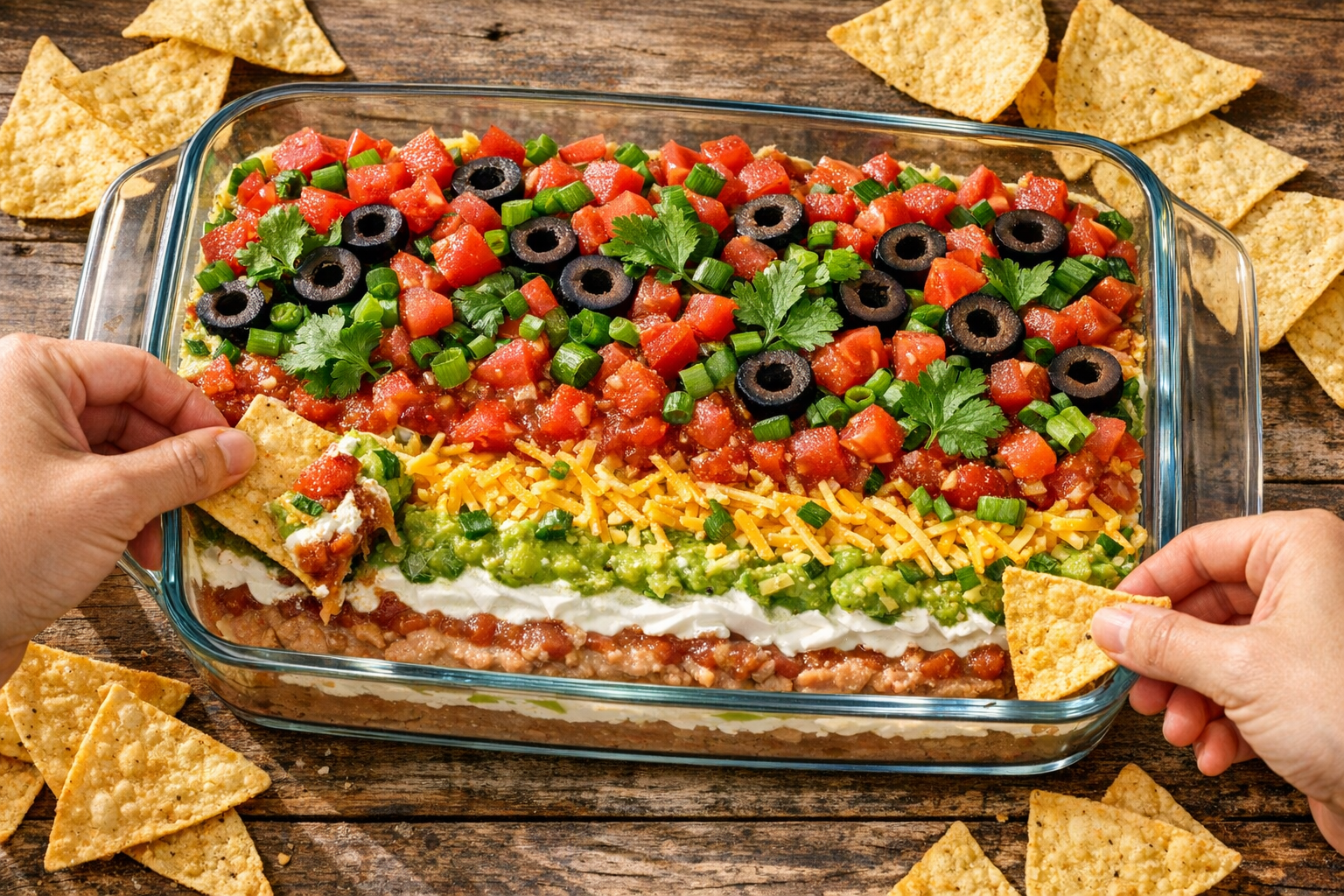
While guacamole captured headlines, other dips evolved simultaneously. Seven-layer dip emerged as a visual showstopper during the 1980s and gained renewed popularity in the 1990s. This construction combines multiple flavors and textures in one impressive presentation.
Buffalo chicken dip represents another innovation from this era. It transformed bar food into shareable party fare. The combination of spicy, creamy, and cheesy elements proved irresistible to football fans.
Spinach artichoke dip bridged the gap between indulgence and perceived healthfulness. Restaurants popularized this combination during the 1990s, and home cooks quickly adapted it for gatherings.
Seven-Layer Fiesta Dip
This crowd-pleasing dip offers something for everyone. Each layer contributes distinct flavors and textures.
Seven-Layer Fiesta Dip
Ingredients:
- 2 cups refried beans (one 16-ounce can)
- 1 packet taco seasoning (1 ounce)
- 2 cups sour cream
- 2 cups guacamole (homemade or store-bought)
- 1 1/2 cups salsa, drained
- 2 cups shredded Mexican cheese blend
- 1 cup diced tomatoes
- 1/2 cup sliced black olives
- 1/4 cup sliced green onions
- 1/4 cup fresh cilantro, chopped
Instructions:
- Mix refried beans with taco seasoning in a bowl until well combined
- Spread seasoned beans evenly across the bottom of a 9×13-inch dish
- Layer sour cream over beans, spreading carefully to edges
- Add guacamole as the third layer, distributing evenly
- Spoon drained salsa over guacamole layer
- Sprinkle shredded cheese across the entire surface
- Top with diced tomatoes, black olives, and green onions
- Garnish with fresh cilantro just before serving
- Refrigerate for at least 2 hours before serving with tortilla chips
The Economic Impact of Game Day Snacking
The transformation of game day eating habits created massive economic ripples. Avocado sales during the week leading up to the big game now exceed sales from entire months earlier in the year. Grocery stores dedicate entire aisles to dip-making ingredients during January and February.
Restaurants and catering companies experience similar surges. Many establishments offer special game day packages featuring popular dips. Additionally, food delivery services report their highest order volumes during football’s championship weekend.
The produce industry carefully coordinates logistics to meet this concentrated demand. Distributors work overtime ensuring fresh ingredients reach stores nationwide. This coordination requires months of advance planning and precise execution.
Buffalo Chicken Dip: Bar Food Goes Mainstream
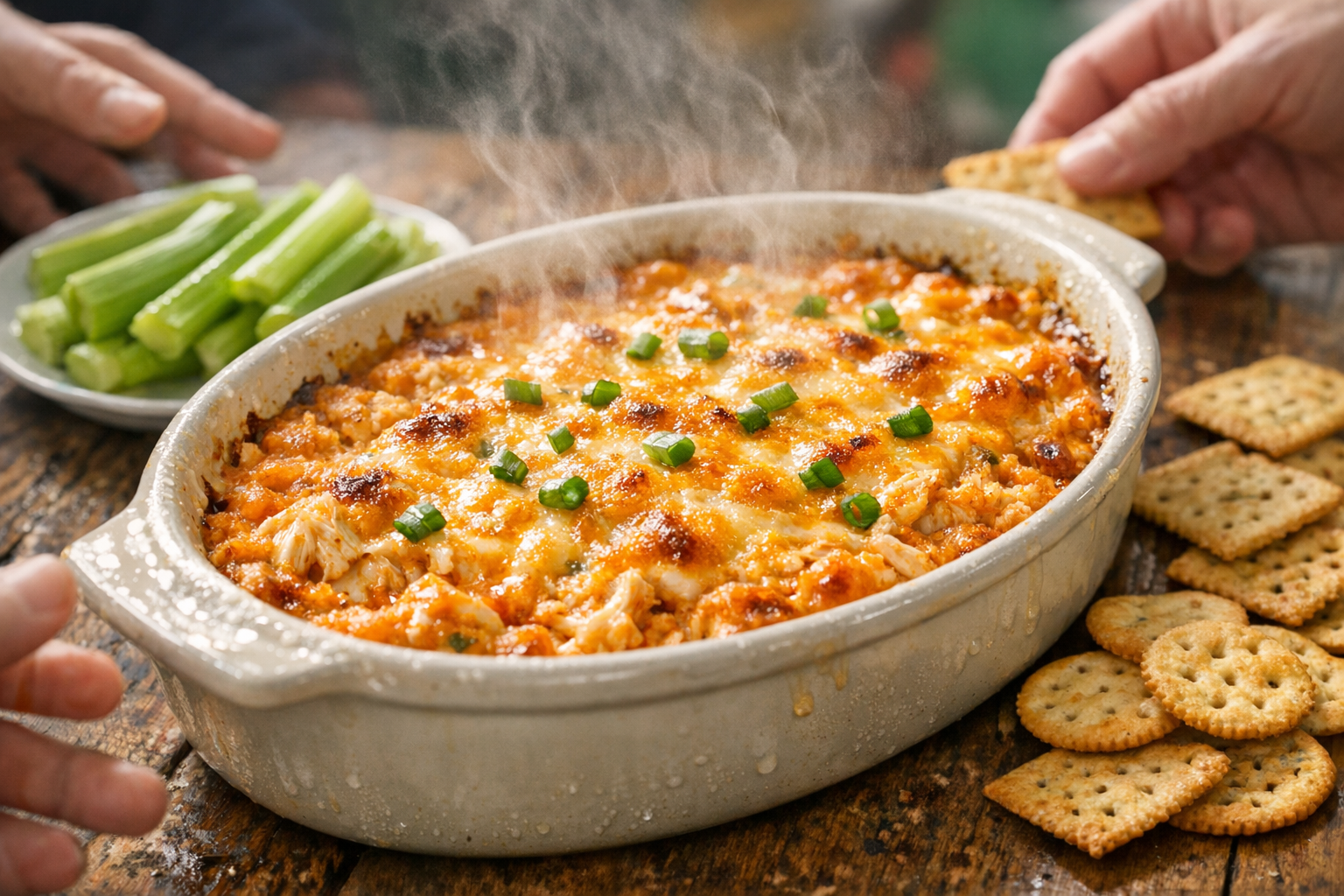
This dip captures everything Americans love about buffalo wings without the mess. It became a game day staple in the early 2000s.
Buffalo Chicken Dip
Ingredients:
- 2 cups cooked chicken breast, shredded
- 8 ounces cream cheese, softened
- 1/2 cup ranch dressing
- 1/2 cup buffalo wing sauce
- 1 cup shredded cheddar cheese
- 1/2 cup crumbled blue cheese
- 2 tablespoons butter, melted
- 1/4 cup sliced green onions
- Celery sticks and crackers for serving
Instructions:
- Preheat oven to 350°F and grease a 2-quart baking dish
- Combine cream cheese, ranch dressing, and buffalo sauce in a large bowl
- Mix until smooth and well blended
- Fold in shredded chicken, ensuring even distribution
- Stir in half the cheddar cheese and half the blue cheese
- Transfer mixture to prepared baking dish and spread evenly
- Top with remaining cheddar and blue cheese
- Drizzle melted butter over the top
- Bake for 20-25 minutes until bubbly and golden
- Garnish with green onions and serve hot with celery and crackers
Modern Innovations and Health-Conscious Options
Recent years have brought new twists on traditional dips. Greek yogurt replaced sour cream in many recipes, reducing calories while maintaining creaminess. Plant-based versions accommodate vegetarian and vegan guests without sacrificing flavor.
Cauliflower emerged as a surprising star ingredient. Roasted cauliflower dips offer nutty, savory flavors with fewer carbohydrates than bean-based options. Similarly, hummus variations expanded beyond traditional chickpea recipes.
Spicy options gained popularity as American palates embraced bolder flavors. Sriracha, gochujang, and harissa appeared in contemporary dip recipes. These ingredients reflected growing interest in global cuisines and adventurous eating.
The Social Aspect of Shared Dips
Dips serve important social functions beyond nutrition. They encourage gathering around common spaces and facilitate conversation. The act of sharing food from communal bowls creates bonds between guests.
The Psychology Behind Sharing Game Day Dips
Research in social psychology reveals fascinating insights about communal dining experiences. Shared meals trigger oxytocin release, the bonding hormone that builds trust between people. Moreover, this biological response occurs regardless of relationship depth or history. When strangers share appetizers, they rate each other more favorably afterward. Therefore, your Super Bowl dip spread does more than satisfy hunger.
The act of eating from a communal bowl creates psychological equality among guests. Additionally, social hierarchies temporarily dissolve when everyone reaches for the same guacamole. This leveling effect makes newcomers feel instantly welcomed at watch parties. Furthermore, the informal nature of dip consumption removes dining etiquette pressure. Nobody worries about proper fork usage while scooping seven-layer dip.
Food as Emotional Anchor During High-Stakes Moments
Sports psychologists identify food as a powerful anxiety management tool during competitive viewing. For example, reaching for chips during a crucial fourth-quarter drive provides sensory grounding. Meanwhile, the repetitive motion of dipping and eating creates a meditative rhythm. Consequently, fans report feeling more emotionally regulated when snacks are available.
The distraction factor proves particularly valuable during nail-biting game sequences. However, this isn’t about ignoring the action entirely. Instead, having something to do with your hands channels nervous energy productively. As a result, viewers can maintain focus without becoming overwhelmed by tension.
Pre-Game Preparation as Bonding Ritual
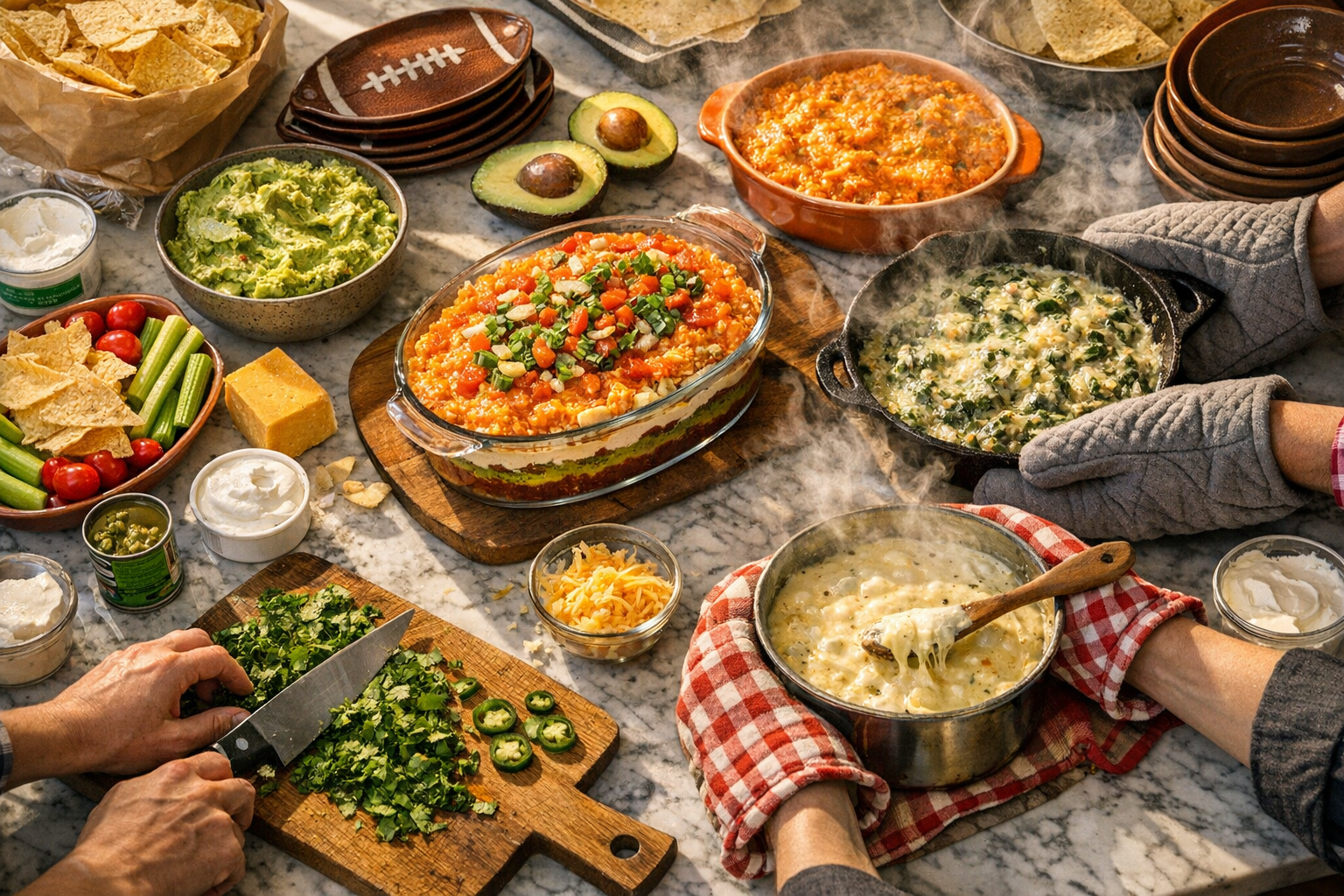
The hours before kickoff often matter as much as the game itself. In contrast to passive viewing, collaborative dip preparation activates multiple bonding mechanisms. Chopping vegetables together requires communication and coordination between participants. Additionally, recipe debates about ingredient ratios spark playful disagreements that build camaraderie.
Many friend groups develop signature dip traditions that return year after year. For instance, one person might always bring buffalo chicken dip while another perfects spinach artichoke. These culinary roles create identity and belonging within the group. Moreover, the anticipation of tasting familiar favorites becomes part of the emotional experience.
The kitchen naturally becomes a social hub during preparation time. Therefore, even non-cooking guests gravitate toward food prep areas to chat and help. Furthermore, this pre-game gathering allows conversation without competing against game commentary. Consequently, relationships deepen through these casual interactions before the television demands full attention.
The visual appeal of well-presented dips also matters significantly. Instagram-worthy spreads generate excitement and anticipation. Hosts take pride in creating attractive displays that impress guests and document celebrations.
Looking Forward: The Future of Game Day Dips
Emerging trends suggest continued evolution in game day snacking. Global flavors will likely play larger roles as American tastes become increasingly adventurous. Korean, Middle Eastern, and Southeast Asian influences already appear in innovative recipes.
Sustainability concerns may reshape ingredient sourcing and preparation methods. Consumers increasingly consider environmental impacts when making food choices. Consequently, locally sourced and seasonal ingredients might gain prominence even during traditional dip season.
Technology will probably influence how people discover and share recipes. Augmented reality apps could provide step-by-step guidance in real time. Smart kitchen devices might automate temperature control and timing for perfect results.
Conclusion: More Than Just Food
The evolution of game day dips reflects broader changes in American culture, commerce, and cuisine. What began as simple snacks transformed into elaborate traditions through clever marketing, favorable trade policies, and changing consumer preferences. These dips now represent essential elements of how Americans celebrate together.
For decades, strict trade barriers kept Mexican avocados off American tables. Specifically, a 1914 ban prevented imports due to agricultural pest concerns. Consequently, guacamole remained a seasonal summer treat for most U.S. consumers. However, the implementation of NAFTA in the 1990s fundamentally shifted this dynamic. Suddenly, the borders opened to year-round produce imports. As a result, the timing of the Super Bowl aligned perfectly with peak Mexican harvest seasons. This policy change transformed a rare luxury into an abundant February commodity.
Marketing a Modern Tradition
Availability was only the first step in this culinary revolution. Strategic marketing campaigns actively forged the link between football and creamy dips. For example, the “Avocados from Mexico” group invested millions in high-profile Super Bowl commercials. These ads humorously positioned the fruit as essential party gear. Furthermore, grocery stores began building massive displays in late January. They intentionally placed tortilla chips and avocados together to prompt impulse buys. Therefore, a supply chain victory became a deliberate cultural phenomenon through advertising.
The Power of Shared Food
The statistics surrounding this consumption are truly staggering today. Americans now consume over 250 million pounds of avocados during the Big Game weekend. Yet, the numbers only tell part of the story. Ultimately, dipping is an inherently communal activity. It requires gathering around a central bowl, unlike eating individual plated meals. Thus, the rise of guacamole reflects a deeper desire for connection. We share the dip while we share the highs and lows of the game.
Additionally, this trend opened the door for other legendary party staples. The success of avocado-based dishes paved the way for heavier options.
- Buffalo Chicken Dip: Combines spicy wings with scoopable ease.
- Seven-Layer Dip: Offers a complex mix of textures in one bite.
- Spinach Artichoke Dip: Provides a warm, creamy contrast to cold salsas.
In conclusion, these dishes are more than just calories. They represent a blend of international trade, clever advertising, and communal joy.
Next time you scoop guacamole onto a chip, remember the decades of agricultural innovation, marketing creativity, and international cooperation that made that moment possible. Game day dips represent far more than convenient party food—they embody the complex connections between what we eat, when we eat it, and why certain foods become irreplaceable traditions.