
The Birth of a Snacking Revolution
America’s love affair with game day dips didn’t happen overnight. In fact, the story begins decades before the first Super Bowl ever kicked off. The 1950s marked a turning point in how Americans consumed food at home. Families gathered around their television sets in unprecedented numbers, creating a need for convenient, shareable snacks. What started as simple cheese and crackers evolved into an entire category of creamy, flavorful dips designed to be made quickly and served communally.
The genius of dips as a food category is that they democratized entertaining. You didn’t need to be a skilled chef or spend hours in the kitchen to impress guests. A bowl of dip, a bag of chips, and you were set. This accessibility transformed dips from occasional treats into the backbone of American social eating, particularly around major sporting events.
From Convenience Food to Cultural Centerpiece
By the time the Super Bowl became a national phenomenon in the 1960s, dips had already cemented their place in the American kitchen. But the Super Bowl amplified their importance exponentially. Game day became the unofficial national holiday for dip consumption, and recipes were passed down through families like treasured secrets. What made Super Bowl Sunday different wasn’t just the football—it was the ritual of gathering, the communal eating, and the dips that made those gatherings memorable.
The evolution accelerated through the 1970s and 1980s, when cookbooks dedicated entirely to dips and spreads became bestsellers. Restaurants started featuring dip platters on their appetizer menus, and grocery stores began stocking entire sections with dip-specific ingredients. Suddenly, dips weren’t just casual snacks—they were expected at every gathering, every party, every event worth attending.
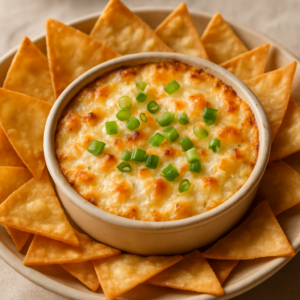
Regional preferences emerged along the way. The Southwest saw an explosion of salsa and guacamole consumption. The Midwest favored hearty cream cheese-based dips. The East Coast embraced seafood spreads. Each region developed signature recipes that reflected local ingredients and culinary traditions, yet all served the same purpose: gathering food that brought people together without demanding attention away from the game.
The Tex-Mex Revolution of the 1980s
American cuisine underwent a significant transformation during the 1980s. Tex-Mex flavors exploded onto the mainstream dining scene, moving beyond regional boundaries. Suddenly, ingredients like jalapeños, cilantro, and cumin became household staples rather than exotic curiosities.
This culinary shift reflected broader cultural changes in American society. Immigration patterns, increased travel, and growing media exposure introduced diverse flavors to suburban kitchens. Additionally, the convenience of canned and packaged Tex-Mex ingredients made these dishes accessible to home cooks everywhere. Restaurant chains popularized Mexican-inspired cuisine across the country, bringing these flavors to small towns and cities alike, and families became comfortable experimenting with these ingredients at home.
From Regional Specialty to National Obsession
Texas and the Southwest had long enjoyed layered bean dips at family gatherings. However, these regional favorites remained relatively unknown outside their geographic origins. The 1980s changed everything as food magazines and television cooking shows spread these recipes nationwide.
Why Lipton Onion Soup Mix Is the Secret Weapon in Every Classic Game Day Dip
There’s a reason this stuff has been a dip staple since the 1950s — it delivers that savory, umami punch that makes people ask “what IS that flavor?” before they go back for thirds. Once you understand how to use it, you’ll stop overthinking seasoning and start throwing together dips that actually taste memorable.
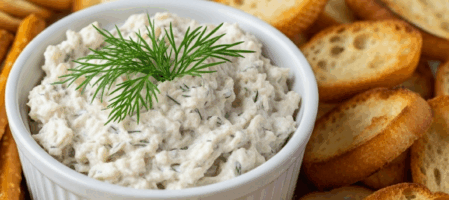
The story of Lipton onion soup mix and dips is inseparable from the story of Super Bowl dips themselves. Home cooks discovered that this convenient packet could transform plain sour cream or cream cheese into something genuinely delicious, and the pairing became iconic. It’s one of those rare cases where a processed ingredient achieved culinary respect without apology.
What works
- One packet dissolves perfectly into sour cream or cream cheese without any grainy texture — no whisking required, just stir and you’re done.
- The flavor is consistent every single time, which means your dip tastes the same whether you’re making it on Sunday or bringing it to a potluck on Wednesday.
- Guests genuinely can’t replicate it at home without the mix, which is oddly satisfying when someone asks for the “secret ingredient.”
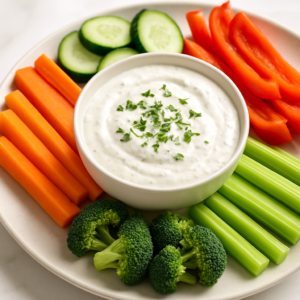
- It pairs beautifully with vegetables, chips, and crackers, making it versatile enough for any crowd or dietary preference you might encounter.
What doesn’t
- It’s heavy on sodium, so if you’re watching your salt intake, you’ll need to account for that or reach for a homemade seasoning blend instead.
- The packet includes some filler ingredients that a from-scratch cook might find unnecessary, but honestly, that’s never stopped me from using it.
- If you’re making dips for guests with specific dietary restrictions or allergies, you’ll want to read the label carefully, as some people prefer to know exactly what they’re consuming.
I once made a batch without it, thinking I could just blend fresh onions and garlic powder to “do it better” — the dip tasted flat and nobody touched it, while the Lipton version from the year before was still the one everyone remembered. Grab a box of Lipton Soup and Dip Mix For a Delicious Meal Onion Great and stop second-guessing yourself.
The Modern Era: Dips as an Art Form
Today’s Super Bowl dip landscape is far more sophisticated than it was fifty years ago. While the classic onion dip remains beloved, we’ve seen an explosion of creative variations—buffalo chicken dips, loaded baked potato dips, seafood dips, and everything in between. Food bloggers dedicate entire platforms to dip recipes, and home cooks are more ambitious than ever.
Yet despite this evolution, the fundamentals haven’t changed. A great dip still needs to be easy to make, easy to serve, and designed for sharing. It should taste good at room temperature (since most dips sit out during parties), and it should pair naturally with common dippers. These principles that made dips essential in the 1950s remain true today.
The Guacamole Challenge
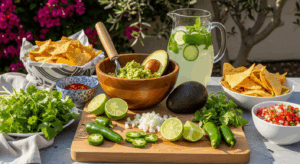
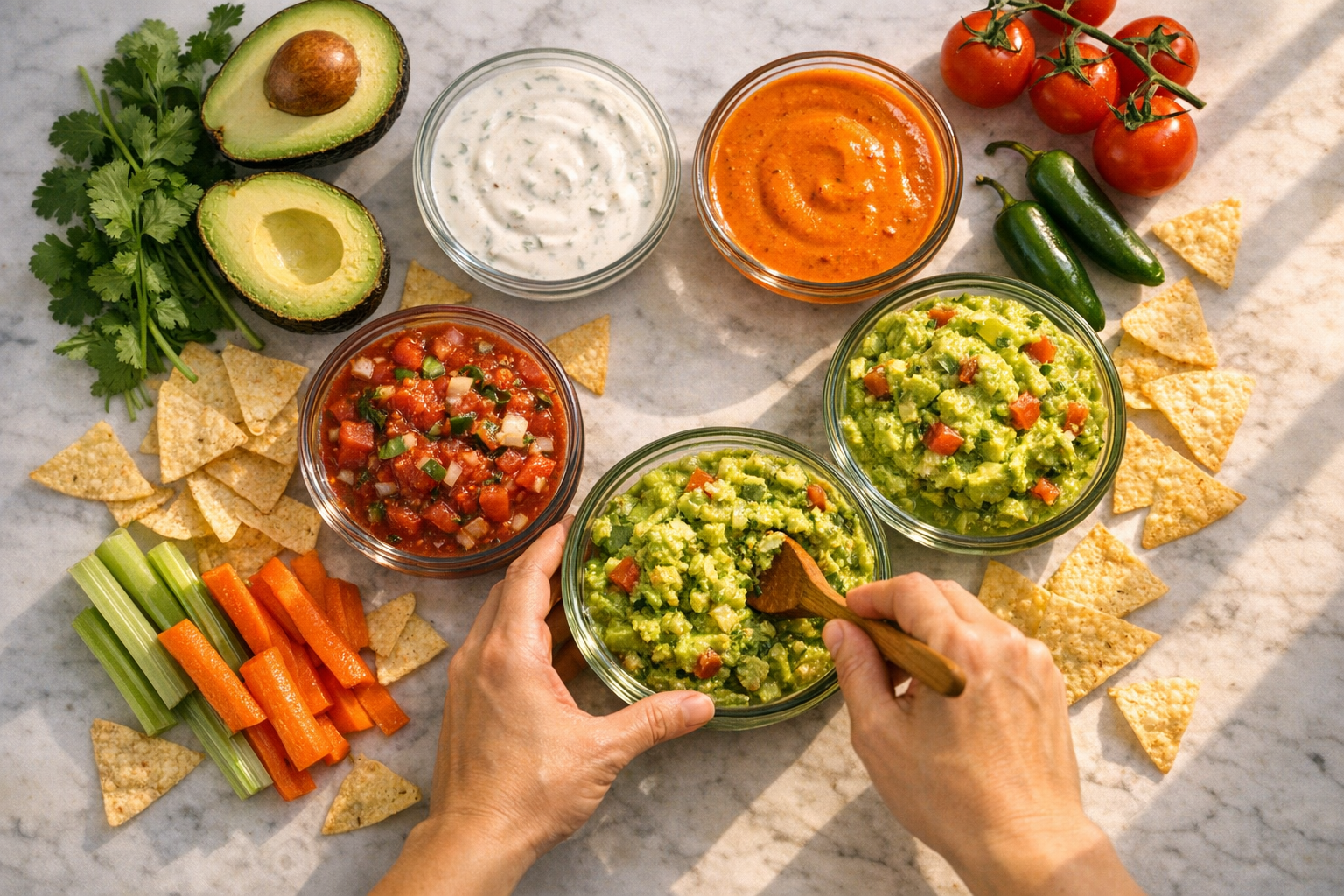
If there’s one dip that defines modern game day culture, it’s guacamole. Yet guacamole prep can be surprisingly stressful when you’re racing against the clock before kickoff. The avocado is a finicky ingredient—it bruises easily, oxidizes quickly, and demands a delicate touch during preparation.
When you’re prepping guac minutes before kickoff, the difference between hacking at an avocado with a regular knife and slicing through it cleanly is the difference between looking calm and looking frazzled. I once tried to make guacamole for a Super Bowl party using nothing but a regular kitchen knife and bruised half my avocados in the process—a good avocado slicer tool keeps that from ever happening again.
Serving the Modern Spread
When you’re bringing multiple dips to a Super Bowl party, you also need a platter that keeps everything separate, looking intentional, and easy for guests to grab from without creating a mess. I almost didn’t use a platter for my first Super Bowl dip spread, thinking I could just set bowls on the coffee table like I always do—but with five different dips, it looked chaotic in minutes. A divided rotating serving platter keeps three or four dips from bleeding into each other, lets guests spin to find their favorite without reaching across the table, and holds enough chips around the edge that you don’t need a separate plate.
Looking Forward: The Future of Super Bowl Dips
As we look at the future of game day traditions, dips continue to evolve. Healthier options incorporating Greek yogurt, plant-based proteins, and nutrient-dense vegetables are gaining ground. At the same time, indulgent loaded dips and fusion flavors remain wildly popular. The beauty of the modern game day dip scene is that there’s room for everything—from classic recipes passed down through generations to bold new creations that push boundaries.
What remains constant is the essential role dips play in how we gather. They’re the edible glue that holds game day together—accessible, shareable, and endlessly customizable. Whether you’re making guacamole with a quality slicer or preparing a seven-layer dip from scratch, you’re participating in a tradition that spans generations and continues to evolve with each Super Bowl Sunday.
About This Article

Written by Rachel Thompson. Rachel Thompson is a home cook who has spent over 10 years making an unreasonable number of dips, appetizers, and party spreads — no culinary training, just a decade of trial and error and a reputation among friends for always being asked to "bring a dip." She focuses on approachable recipes that combine bold flavors with simple techniques, making entertaining at home accessible to everyone. More about this site.
Scope and limits. Rachel is a home cook with no culinary training. Follow current food safety guidance for holding temperatures and time limits whenever you are serving people other than yourself.
Verify this against a primary source
Specifics change, and your situation may differ from the one described here. These are the authorities worth checking directly:
- FoodSafety.gov — cold holding, hot holding and the two-hour rule
- USDA FoodData Central — ingredient composition and nutrition data
- USDA Food Safety and Inspection Service — safe minimum temperatures and leftovers