
The first time I made a gochujang cream cheese dip recipe, I was completely winging it. It was a Tuesday night, I had leftover gochujang from a batch of bibimbap, and my fridge had exactly one block of cream cheese begging to be used. Twenty minutes later, I was standing over my kitchen counter, eating it straight from the bowl with a stale pretzel chip. I didn’t even make it to the couch. That was three years ago, and I’ve made it at least forty times since.
The reaction at my next party sealed its fate permanently. I brought it to my sister-in-law’s baby shower expecting it to quietly sit next to the hummus. Instead, someone asked me for the recipe before they’d even swallowed their first bite. By the end of the afternoon, the bowl was scraped clean and three people had taken photos of the empty dish — apparently to remember what they needed to Google later.
Since then, this dip has shown up at tailgates, potlucks, birthday parties, and more “I have 20 minutes before guests arrive” emergencies than I can count. It is, without question, the most requested thing I make. So let me show you exactly how to do it right — including the mistakes I made early on that you don’t need to repeat.
Why This Gochujang Cream Cheese Dip Recipe Actually Works
Most versions of this dip online are just “mix stuff together and serve.” That works — but only okay. After testing dozens of variations, I’ve figured out exactly what separates a good batch from an unforgettable one. Here’s what makes this recipe different.
- Room-temperature cream cheese is non-negotiable. Cold cream cheese doesn’t fully incorporate with the other ingredients. You end up with lumps and uneven flavor distribution. Pulling it out 45 minutes before you start makes the texture silky and smooth — not chunky.
- Salting and resting the green onions changes everything. I toss my sliced green onions with a small pinch of salt and let them sit for five minutes before folding them in. This draws out a little moisture, softens their sharpness, and keeps them from releasing water into the dip later. The result is cleaner flavor and a firmer texture.
- A touch of rice vinegar cuts the richness. Gochujang is sweet, spicy, and deeply savory. Cream cheese is rich and fatty. Without an acidic element, the dip can feel heavy after a few bites. Just half a teaspoon of rice vinegar brings everything into balance without you being able to taste it directly.
- Toasted sesame oil goes in last. Heat destroys sesame oil’s delicate, nutty aroma. Adding it at the very end — after all mixing is done — preserves that flavor completely. It’s a small step with a noticeable difference.
What You’ll Need
Prep Time: 10 minutes | Rest Time: 15 minutes (optional but recommended) | Total Time: 25 minutes | Serves: 8–10 as an appetizer
- 8 oz (1 block) full-fat cream cheese, room temperature
- 3 tablespoons gochujang paste (medium heat — see product note below)
- 1 tablespoon soy sauce (low sodium preferred)
- 1 tablespoon honey
- 1 teaspoon toasted sesame oil
- ½ teaspoon rice vinegar
- 1 teaspoon garlic, finely grated (about 1 large clove)
- 3 green onions, thinly sliced (green and white parts separated)
- 1 pinch kosher salt (for the onions)
- 1 teaspoon toasted sesame seeds, for garnish
- Optional: ½ teaspoon gochugaru (Korean chili flakes) for extra heat and color on top
Substitutions: Greek yogurt cream cheese works but produces a slightly looser texture. Maple syrup can replace honey. If you can’t find rice vinegar, a tiny squeeze of fresh lime juice works in a pinch — though the flavor profile shifts slightly.
How to Make It: Step by Step
Step 1: Prep Your Green Onions First
Slice all three green onions thinly. Keep the white and light green parts separate from the dark green tops. Toss the white parts with a small pinch of kosher salt in a small bowl and set aside for five minutes. This is the step I skipped for my first dozen batches — and it genuinely matters. The whites become slightly softer and lose their raw bite without losing their flavor.
How to tell when it’s right: The onions will look slightly glossy and feel just a little softer between your fingers. Common mistake: Using too much salt here. You’re not seasoning them aggressively — just drawing a little moisture out. A small pinch is plenty.
Step 2: Beat the Cream Cheese Until Smooth
Add your room-temperature cream cheese to a medium mixing bowl. Using a hand mixer or a sturdy rubber spatula, beat it until it’s completely smooth and slightly fluffy — about 60 to 90 seconds with a mixer, or two to three minutes by hand. This step aerates the base, making the final dip lighter and easier to scoop.
How to tell when it’s right: No visible lumps. The cream cheese should look creamy and hold a soft peak. Common mistake: Skipping this step and going straight to mixing in the other ingredients. Cold or under-beaten cream cheese will leave you with a dense, uneven dip. I learned this the hard way at a tailgate — brought out a lumpy batch and watched people struggle to scoop it with thin crackers. Not my finest hour.
Step 3: Add the Gochujang and Wet Ingredients
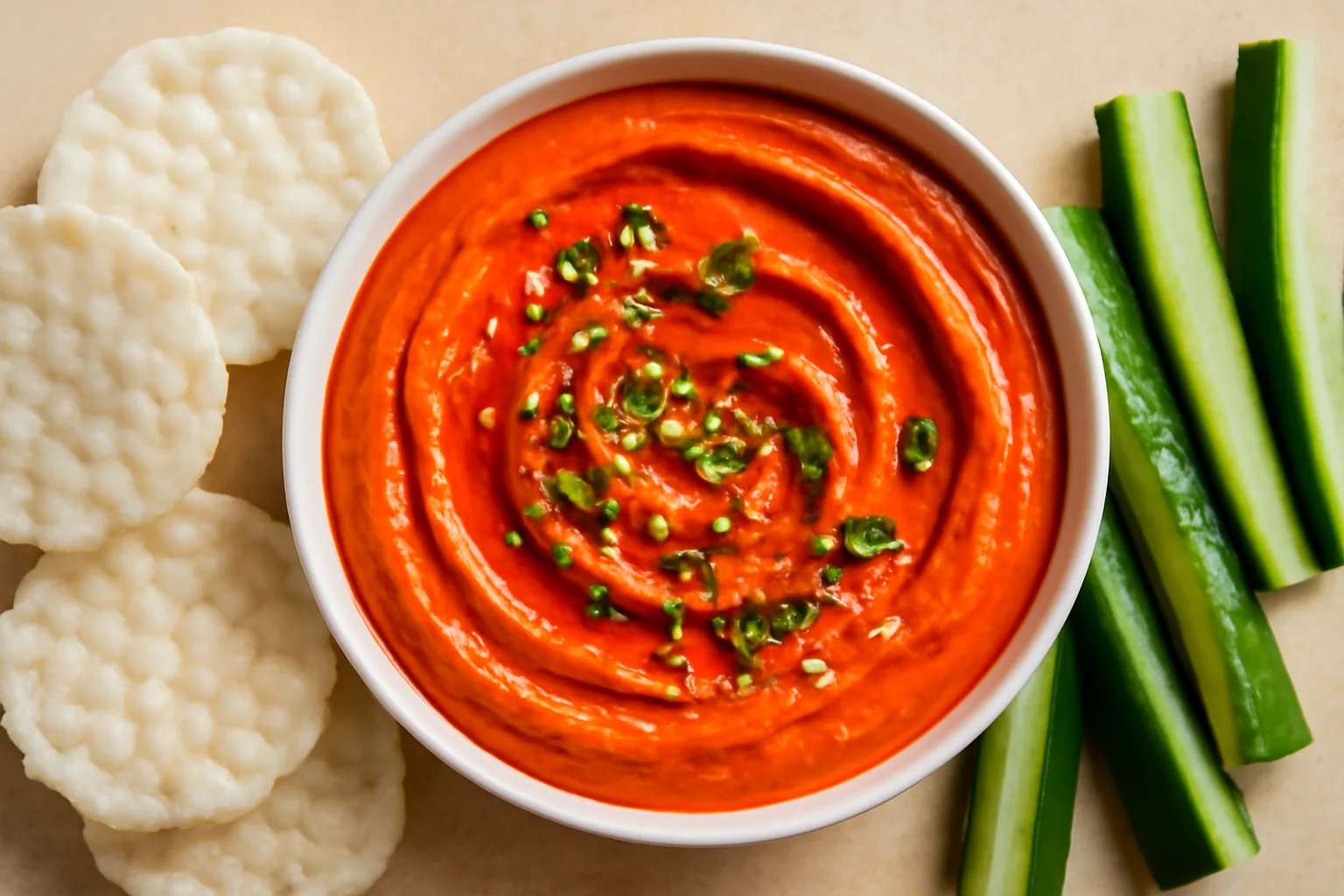
Add the gochujang, soy sauce, honey, rice vinegar, and grated garlic directly to the beaten cream cheese. Mix thoroughly until the color is completely uniform — a deep, warm coral-red with no white streaks remaining. This should take about one minute with a spatula.
How to tell when it’s right: The mixture should be a consistent deep reddish-orange throughout. Hold your spatula up — the dip should fall off in slow, thick ribbons. Common mistake: Under-mixing here. White streaks mean pockets of plain cream cheese, which throws off the flavor in individual bites.
Step 4: Fold In the Onions and Finish With Sesame Oil
Gently fold in the salted white onion pieces and about two-thirds of your dark green onion tops. Reserve the remaining green tops for garnish. Once folded in, drizzle the toasted sesame oil over the top. Fold once or twice more — just enough to incorporate. Don’t overmix at this stage.
How to tell when it’s right: The onions should be distributed evenly but still visible as distinct pieces. Common mistake: Stirring aggressively after adding the sesame oil. Over-mixing at this stage breaks down the onion texture and disperses the sesame aroma before it can bloom on your palate.
Step 5: Garnish and Serve (or Rest)
Transfer to your serving bowl. Smooth the top with the back of a spoon. Garnish with the reserved green onion tops, toasted sesame seeds, and a light dusting of gochugaru if you want extra color and heat. For best results, let the dip rest at room temperature for 15 minutes before serving. This allows the flavors to meld significantly.
How to tell when it’s right: The dip should hold its shape when scooped but yield easily. The aroma should be warm, slightly funky from the fermented paste, and faintly nutty from the sesame.
Preparation Tips From 100+ Batches
Make-Ahead Instructions
This dip is actually better the next day. In my experience, making it 12 to 24 hours ahead produces noticeably deeper flavor as the garlic, gochujang, and cream cheese have time to fully integrate. Store it covered in the refrigerator and add your garnishes fresh right before serving.
Storage
Keeps well in an airtight container in the refrigerator for up to five days. That said, the green onion tops will fade in color after day two. For longer storage, leave the garnish off until serving. I always make a double batch when I’m bringing it somewhere — the leftover half disappears as a weekday snack within days.
Scaling Up for Crowds
This recipe scales beautifully. For a crowd of 20 to 25, I triple the batch using three blocks of cream cheese and increase the gochujang proportionally. However, I slightly reduce the soy sauce when tripling — going from 3 tablespoons to about 2.5 tablespoons total — to prevent the dip from skewing too salty at volume. Taste as you go. Every batch of gochujang can vary slightly in saltiness.
Adjusting the Heat Level
Three tablespoons of medium gochujang produces a dip with a noticeable but approachable warmth — most adults handle it easily. For spice-sensitive guests (or when kids are at the table), drop to two tablespoons and add an extra half teaspoon of honey. On the other hand, for heat lovers, bump to four tablespoons and finish with a generous dusting of gochugaru on top.
Seasonal Variations
Summer version: fold in two tablespoons of finely diced cucumber for crunch and freshness. Winter version: add a teaspoon of white miso paste for extra depth and umami warmth. Both variations have gone over extremely well at parties — the cucumber version specifically got rave reviews at a Fourth of July cookout last year.
What to Serve With This Dip
The dip is bold, so your dippers need enough structure to hold up without competing for attention. Here’s what works best based on years of testing at actual parties.
- Kettle-cooked potato chips — The crunch and subtle saltiness are a perfect match. Specifically, I love Cape Cod Original or any thick kettle chip.
- Everything bagel chips — The seeds and seasoning mirror the sesame notes in the dip beautifully.
- Rice crackers — Keeps the flavor profile on theme and works great for gluten-free guests.
- Toasted baguette slices — Slightly warm bread with this dip is genuinely extraordinary. Don’t skip this option.
- Persian cucumbers, sliced thick — The cool crunch balances the heat and richness perfectly.
- Endive leaves — Elegant for fancier gatherings and sturdy enough to scoop without breaking.
- Wonton chips or strips — Especially good for themed appetizer spreads or Asian-fusion party tables.
For drinks, this dip pairs surprisingly well with light lagers, crisp hard ciders, and sparkling water with citrus. The carbonation helps reset your palate between bites.
The Ingredient That Actually Makes This Dip Better
Let me be direct about something: gochujang quality varies enormously between brands. Early batches I made with bargain grocery store versions tasted one-dimensional — more sweet than complex, with a harsh heat that didn’t linger pleasantly. The dip was fine, but it wasn’t special.
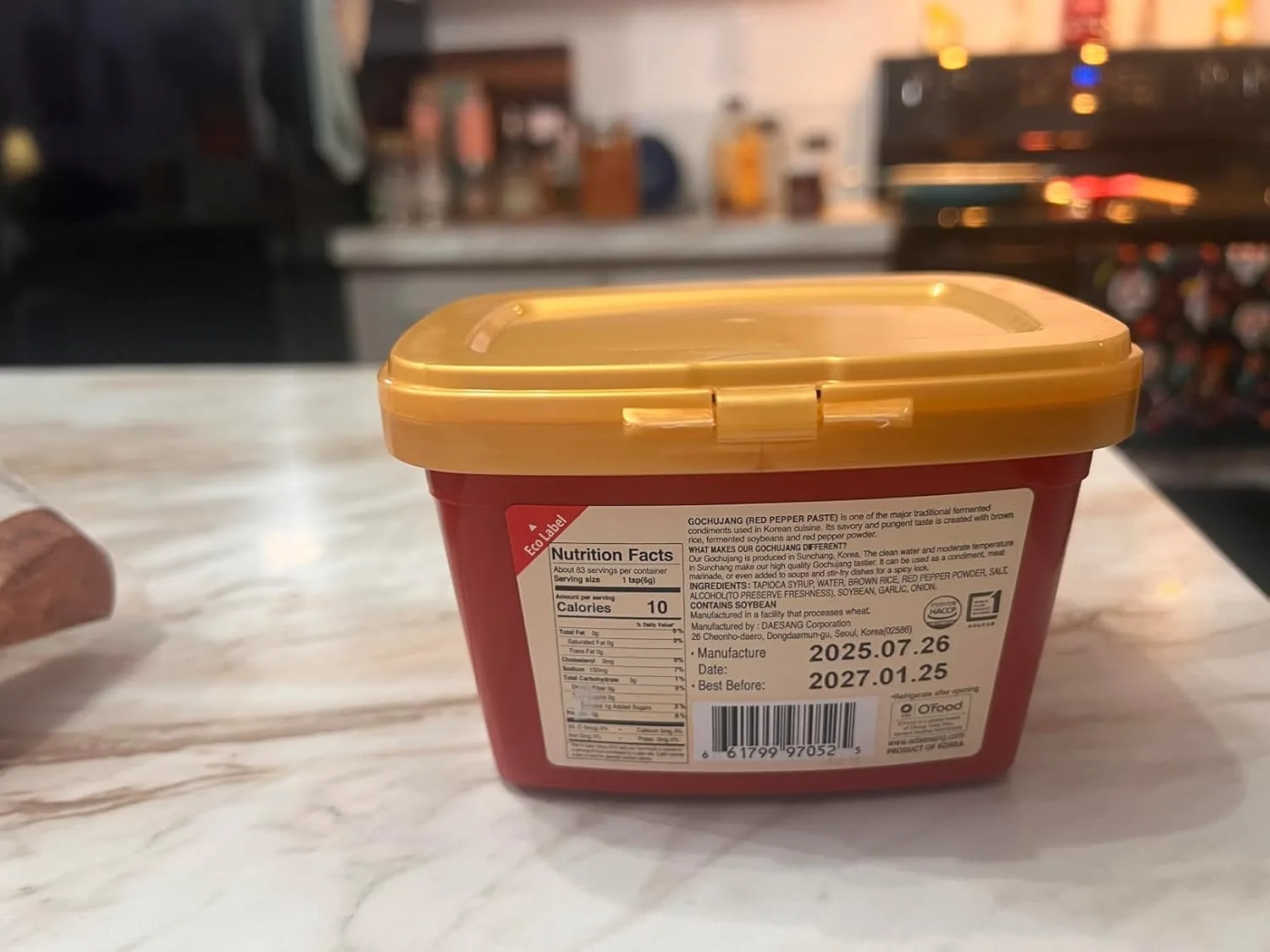
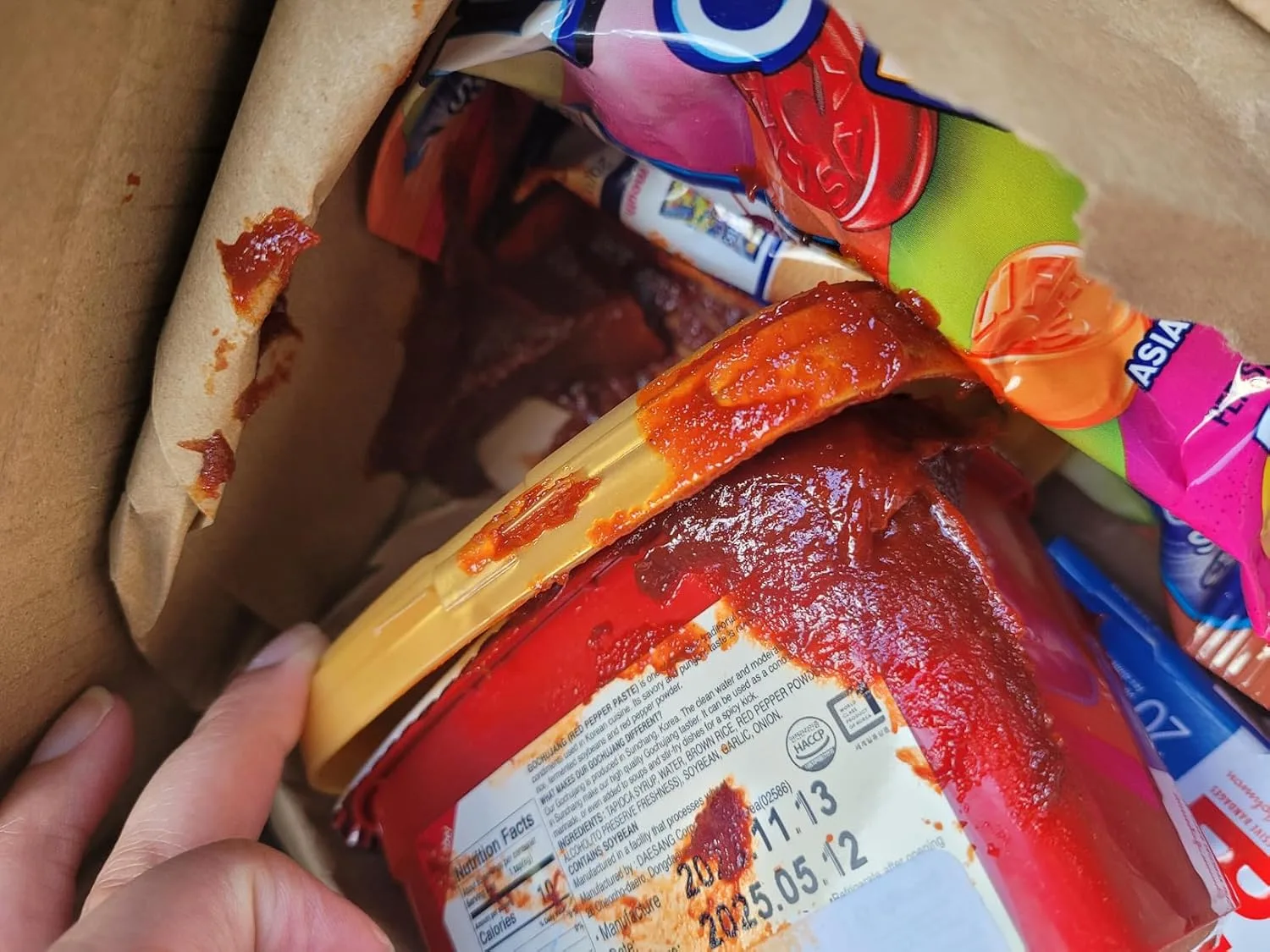
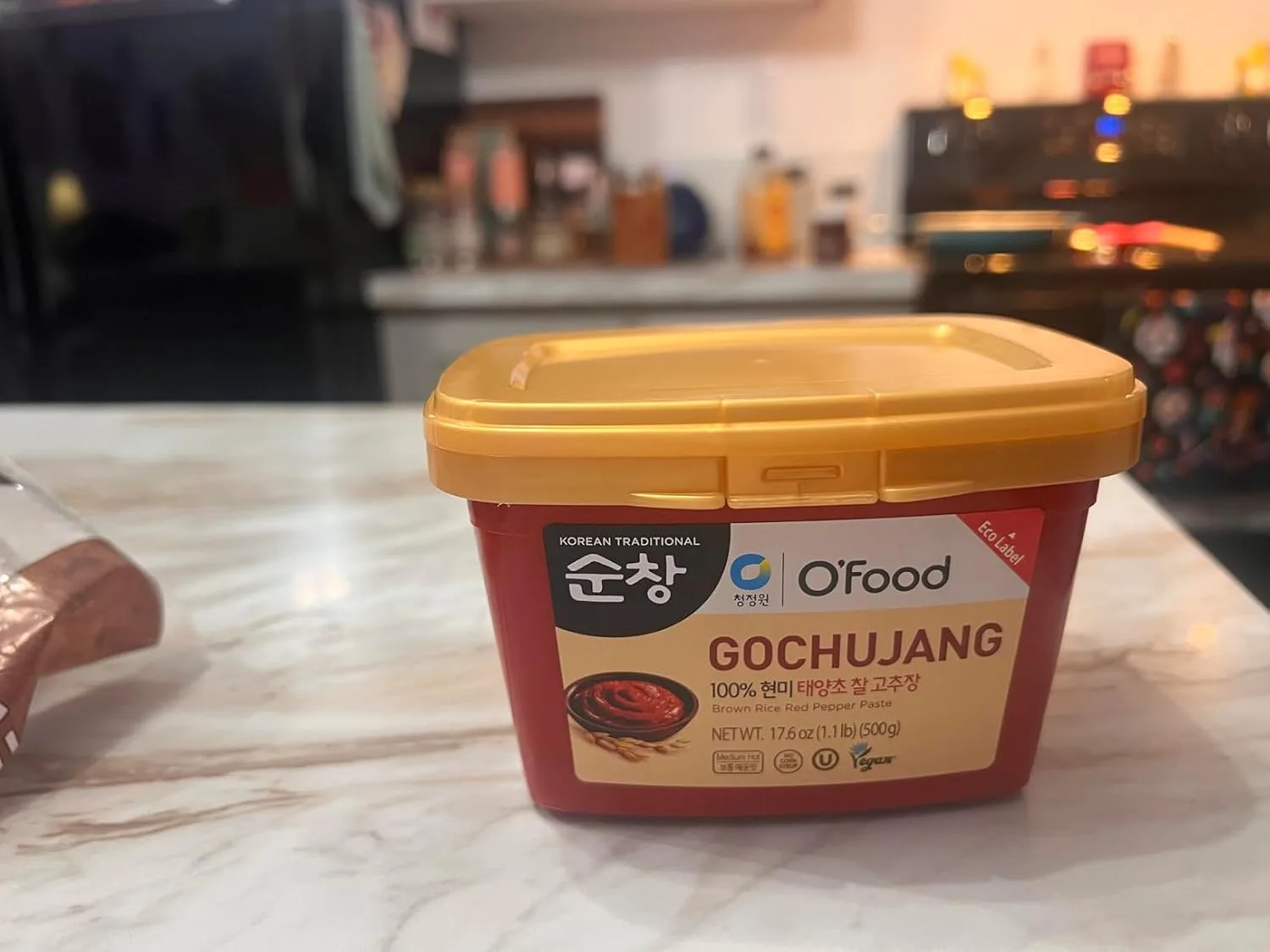
Switching to a quality fermented paste changed everything. Specifically, I now use O’food Gochujang Premium Korean Red Chili Paste in Medium Heat (1.1 lb). The fermentation depth is noticeably different — there’s a slow-building warmth, a savory backbone, and a sweetness that feels natural rather than sugary. At 40 calories per serving with zero fat and zero cholesterol, it’s also a surprisingly light ingredient for how much flavor it delivers.
The 1.1 lb (500g) size is genuinely practical. One jar lasts me through four to five full batches of this dip, plus whatever else I’m cooking. It keeps well in the refrigerator for months once opened. For me, this is now a pantry staple that lives permanently in my fridge door.
If you’re new to gochujang or cooking for a crowd that includes spice-sensitive
What I Serve This In
A divided tray is the easy way to put several of these out without needing a separate dish for each. I use Lifewit 4 Pcs Serving Tray for Party.
About This Article

Written by Rachel Thompson. Rachel Thompson is a home cook who has spent over 10 years making an unreasonable number of dips, appetizers, and party spreads — no culinary training, just a decade of trial and error and a reputation among friends for always being asked to "bring a dip." She focuses on approachable recipes that combine bold flavors with simple techniques, making entertaining at home accessible to everyone. More about this site.
Scope and limits. Rachel is a home cook with no culinary training. Follow current food safety guidance for holding temperatures and time limits whenever you are serving people other than yourself.
Verify this against a primary source
Specifics change, and your situation may differ from the one described here. These are the authorities worth checking directly:
- FoodSafety.gov — cold holding, hot holding and the two-hour rule
- USDA FoodData Central — ingredient composition and nutrition data
- USDA Food Safety and Inspection Service — safe minimum temperatures and leftovers