This post contains affiliate links. As an Amazon Associate, I earn from qualifying purchases at no extra cost to you.
It started with a disaster. I had twelve people coming over for a summer cookout, and I had confidently promised “amazing dips.” My go-to roasted red pepper hummus was fine. My spinach artichoke dip was reliable. But halfway through the party, someone asked, “Do you have anything more interesting?” Ouch. That moment sent me down a deep rabbit hole searching for Ottolenghi Simple dip recipes — and honestly, it changed everything about how I approach a dip spread.
I’d been making dips for years. Friends always ask me to bring one to every gathering. I take that responsibility seriously — probably too seriously. But that cookout comment stung because they were right. My repertoire had gotten comfortable. Safe. Predictable.
Enter Yotam Ottolenghi. A chef whose name I’d heard whispered reverently in food circles for years. Someone at that same cookout mentioned his cookbook, Ottolenghi Simple: A Cookbook, and said it had transformed her weeknight cooking. I went home that night and ordered it immediately. What followed was three months of the most fun, surprising, and occasionally humbling dip-making of my life.
Why I Chose Ottolenghi Simple Over Other Cookbooks
Let me be honest about my initial hesitation. Ottolenghi has a reputation for complex, multi-step recipes requiring seventeen specialty ingredients you’ve never heard of. That reputation scared me off for years. However, “Simple” is literally in the title of this book — and that promise turned out to be real.
I researched several alternatives before committing. Jerusalem by Ottolenghi and Sami Tamimi came up constantly. So did Plenty, his vegetable-focused masterpiece. Both looked incredible. That said, reviewers kept saying the same thing: if you want accessible, start with Simple. Recipes in that book are organized by effort level — “S” for short on time, “I” for ingredients (ten or fewer), “M” for make-ahead, “P” for pantry staples, and “E” for easy. As a result, even a nervous cook knows exactly what they’re getting into.
For someone building a dip game specifically, that structure was gold. Many of the dip-adjacent recipes fell under multiple categories — quick, pantry-friendly, and make-ahead. That combination is basically a dip host’s dream checklist.
First Impressions: This Book Looks as Good as the Food
When Ottolenghi Simple: A Cookbook arrived, I was immediately struck by its weight. This is a substantial hardcover — around 320 pages — with a clean, modern cover design. It feels like a proper cookbook, not a flimsy paperback that falls apart after six uses.
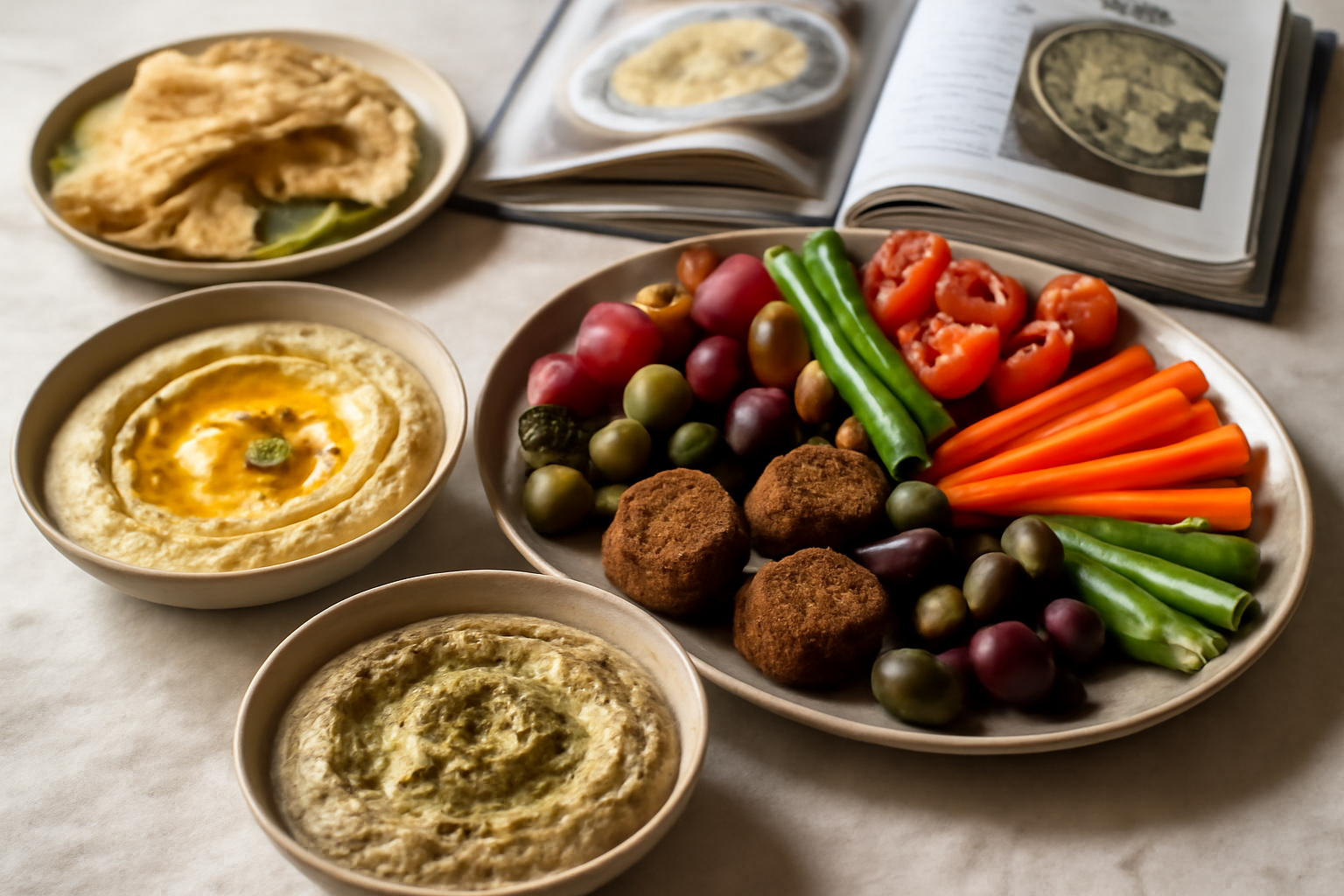
The photography is stunning. Every recipe has a full-page or half-page photo, and they’re styled beautifully without looking fake or unachievable. The colors are vivid and warm. Looking at the roasted eggplant photos alone made me want to drop everything and cook.
Headnotes for each recipe are short and practical. Ottolenghi explains what makes a dish work, what you can substitute, and how to adapt it. In my experience, that kind of contextual guidance makes a huge difference — especially with less familiar flavor profiles. The book opened easily and lay flat on my counter, which is a small but genuinely important detail when your hands are covered in tahini.
Putting the Ottolenghi Simple Dip Recipes to the Real Test
Over three months, I worked through every dip, spread, and dip-adjacent recipe in the book. That totaled roughly fifteen preparations across eight distinct recipes. Some I made once. Others I made three or four times, tweaking as I went. Here are the five that earned permanent spots in my rotation.
1. Burnt Eggplant with Butter and Harissa
This is the recipe that made me gasp out loud. You char a whole eggplant directly over a gas flame (or under a broiler at maximum heat — I used 550°F) until it’s completely blackened and collapsed. Then you scoop out the smoky, silky flesh and stir in browned butter and harissa. The result is deeply smoky, rich, and slightly spicy. It tastes like a baba ganoush that went to culinary school.
Served this at a dinner party for eight people. It disappeared in under ten minutes. Three guests asked for the recipe before the main course arrived. That’s the dip version of a standing ovation.
2. Whipped Feta with Roasted Grapes
Roasting red grapes at 400°F until they blister and burst creates this jammy, slightly sweet topping that goes impossibly well with salty, creamy whipped feta. The contrast is stunning — tangy, sweet, savory, and rich all at once. It takes about twenty-five minutes total. Specifically, this one became my go-to fancy-looking appetizer that requires almost no skill.
People assume it’s complicated. It’s not. That’s the magic of this entire book, honestly.
3. Hummus with Lemon and Coriander
I’ve made hundreds of batches of hummus. I thought I had it figured out. Ottolenghi’s version uses warm chickpeas blended with a generous amount of tahini, ice-cold water, and a heavy hand with lemon. The result is lighter and fluffier than anything I’d made before. Adding toasted coriander seeds as a finish gave it a warmth I’d never thought to include. This is now my default hummus recipe — after years of thinking mine was already great.
4. Avocado with Feta and Pomegranate
This is less a traditional guacamole and more a deconstructed, elevated avocado spread. Roughly mashed avocado gets topped with crumbled feta, pomegranate seeds, and a drizzle of olive oil. It’s visually gorgeous — all jewel tones and green creaminess. Flavor-wise, the briny feta and tart pomegranate cut through the richness perfectly. For example, I brought this to a holiday party instead of standard guacamole and fielded compliments all night.
5. Roasted Carrot Dip with Tahini
Roasting carrots at 425°F until caramelized, then blending them with tahini, garlic, and cumin creates something that looks humble and tastes extraordinary. It’s sweet, earthy, nutty, and has this gorgeous orange color that stands out on any spread. On the other hand, I’ll admit — I was skeptical. Carrot dip sounded like something from a sad office party. I was completely wrong.
What I Genuinely Loved About This Book
The organizational system is what makes Ottolenghi Simple: A Cookbook different from almost every other cookbook I own. Knowing at a glance whether a recipe is pantry-friendly or make-ahead eliminates that frustrating twenty-minute scan before grocery shopping. For dip planning specifically, that’s invaluable.
Here’s what consistently impressed me across all the recipes I tested:
- Flavor combinations feel genuinely surprising without being gimmicky
- Most dips take thirty minutes or less, including prep
- Make-ahead instructions are clear and actually work — texture holds overnight
- Ingredient lists are manageable — mostly pantry staples plus one or two specialty items
- Headnotes explain the “why” behind techniques, making you a better cook overall
- Every single recipe I tried worked on the first attempt
That last point deserves emphasis. Cookbooks that work first-try are genuinely rare. Ottolenghi’s recipe testing is clearly meticulous. Not once did I end up with a failed batch or a “why does mine look nothing like the photo” moment. That reliability builds trust fast.
The Downsides You Should Know Before Buying
No review is honest without real criticism. So here’s mine.
First, if you’re looking specifically for classic American party dips — spinach artichoke, queso, buffalo chicken dip — this book isn’t the answer. Those recipes don’t exist here. The flavor profiles are heavily Middle Eastern and Mediterranean. That’s a feature, not a bug, in my opinion. However, if your crowd is strictly meat-and-potatoes traditional, some of these dips may get puzzled looks rather than rave reviews.
Second, a handful of recipes do require specialty ingredients. Pomegranate molasses, preserved lemons, and za’atar appear regularly. Most good grocery stores carry these now — Whole Foods and Middle Eastern markets definitely do. That said, if you live somewhere with limited specialty food access, a few extra Amazon orders may be necessary.
Third — and this is my moment of genuine doubt — the book has no dedicated “dips and spreads” chapter. Dip recipes are scattered throughout the vegetable, pantry, and mezze sections. I spent a good hour with sticky tabs bookmarking every dip-worthy recipe before I felt confident navigating it for party planning. A little frustrating, honestly.
Finally, the book skews heavily vegetarian. There are meat dishes, but the dip and spread content is almost entirely plant-based. For my purposes, that’s perfect. Your mileage may vary depending on your crowd.
Final Verdict: Who Should Buy This
If you’ve been making the same five dips for years and want to genuinely level up, the Ottolenghi Simple dip recipes in this book will transform your entertaining. Full stop. The five I highlighted above alone justify the purchase price many times over. They’re crowd-pleasers that feel special, and they’re easier to make than they look.
Buy this book if you are:
- A home cook who loves dips and wants to expand beyond the basics
- Someone who entertains regularly and wants recipes that spark conversation
- Comfortable with Mediterranean flavors or eager to explore them
- Looking for make-ahead, largely plant-based options for gatherings
- A fan of food that looks impressive but doesn’t require chef-level technique
Consider skipping it if you are:
- Specifically after classic American party dips like queso or buffalo chicken
- Cooking for a very traditional, flavor-conservative crowd
- Unwilling to source a few specialty pantry ingredients
Grab your copy of Ottolenghi Simple: A Cookbook on Amazon and start with the burnt eggplant. You can thank me later.
The Runner-Up: Consider the Boxed Set If You’re Going All In
Already know you love Ottolenghi’s style? Consider the Essential Ottolenghi Special Edition Two-Book Boxed Set, which bundles Simple with Plenty More. It’s a fantastic value if you want to dive deeper immediately. Plenty More expands the vegetable-forward repertoire significantly and opens up even more dip-worthy recipes.
That said, I’d recommend starting with Simple alone if you’re new to