
Picture this: it’s 1987, it’s Super Bowl Sunday, and somewhere in Ohio a family is setting out a glass dish filled with something they’ve never quite made before. Layers of beans, green stuff, sour cream, cheese. Nobody’s entirely sure what the green stuff is. Someone’s aunt brought it. Everyone eats half of it before kickoff. That dish? It changed American snacking forever. If you’ve ever wanted to dig into the real 7 layer dip history, buckle up, because the story behind this beloved party staple is way more fascinating than you’d expect from something you eat with chips on a couch.
Before the Party Platter: The Ancient Art of Layering Food
Humans have been stacking food for thousands of years. Layered dishes appear across nearly every culinary tradition on earth, from Greek moussaka to English trifle to the elaborate rice dishes of Persia. There’s something deeply satisfying about the idea that each scoop should reward you with more than one thing at once. Flavor, texture, surprise. Layering is basically edible storytelling.
In the American Southwest and northern Mexico, cooks had long understood that beans, chiles, cheese, and fresh toppings were better together than apart. The concept of building a dish in deliberate strata wasn’t a sudden invention. It was an evolution rooted in indigenous Mexican cooking traditions, Spanish colonial influences, and the practical genius of Tex-Mex cuisine, which has always been about feeding people well, cheaply, and deliciously. When those traditions crossed into Texas kitchens in the 20th century, the stage was set for something magical to happen.
The Real 7 Layer Dip History: Texas Church Kitchens and Junior League Genius
The story of 7 layer dip history officially starts in Texas in the late 1970s and early 1980s. And it didn’t start in a restaurant. It started in the most underrated culinary archives in America: church cookbooks and Junior League recipe collections.
If you’ve never flipped through a spiral-bound church cookbook from the South, you’re missing out on some of the most honest, brilliant home cooking documentation ever assembled. These were real recipes from real home cooks who had figured out how to feed a crowd, impress their neighbors, and still have time to enjoy the party. Layered dips began appearing in these collections in the late 1970s, initially as five-layer or six-layer versions. A base of refried beans, something creamy on top, some cheese, maybe a little salsa. Cooks kept adding layers the way great recipes always evolve: someone tried something, it worked, they told their friends.
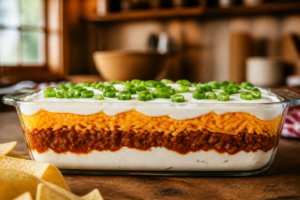
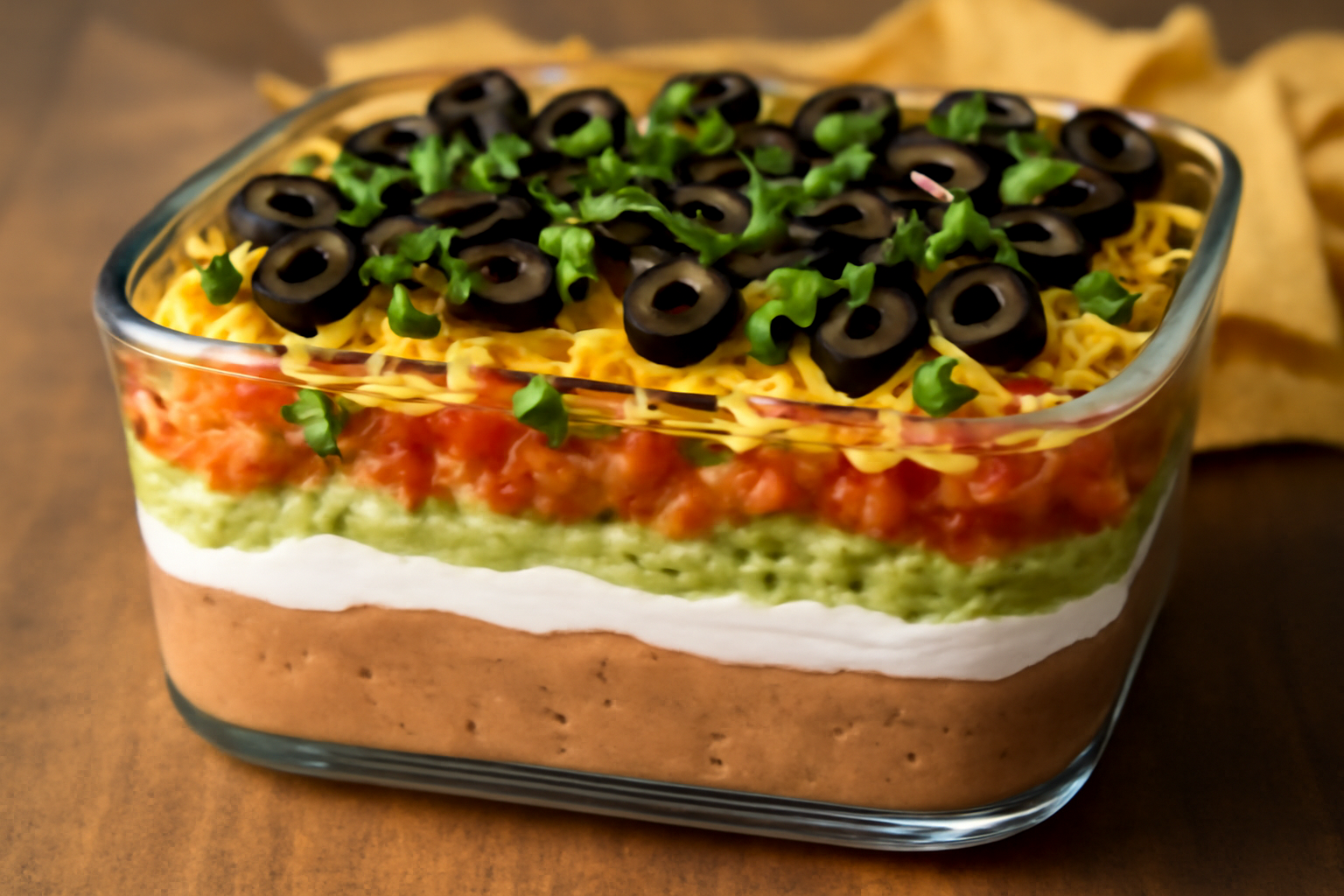
By the early 1980s, the canonical seven layers had crystallized. From bottom to top: refried beans, guacamole, sour cream, salsa or pico de gallo, shredded cheddar or Mexican blend cheese, sliced black olives, and sliced green onions. The dish traveled under a few different names. Texans often just called it “the dip,” as if no further explanation were needed. In California it became “Mexican dip.” In the Midwest it was “Tex-Mex dip.” The name “7-layer dip” was actually popularized by food editors who needed something searchable and descriptive for their recipe sections. Leave it to journalism to name the thing everyone else just understood instinctively.
San Antonio-based Pace Foods also deserves a nod here. Founded in 1947, Pace Picante Sauce spent the 1970s and 80s actively marketing Tex-Mex flavors to a national audience, and their campaigns specifically encouraged home cooks to use salsa as an ingredient in party dips. That kind of deliberate consumer education helped push ingredients like salsa and refried beans into mainstream grocery carts across the country, which meant the building blocks of 7-layer dip were suddenly available in places that had never seen a Tex-Mex restaurant.
The Serving Dish That Actually Does 7-Layer Dip Justice
Here’s the thing about 7-layer dip: it’s only as good as how it looks when it hits the table. A regular bowl collapses the layers into a beige situation, but a divided serving dish? That’s where the magic happens — your guests can actually see those distinct layers you built, and they’ll dig in with confidence.
What works
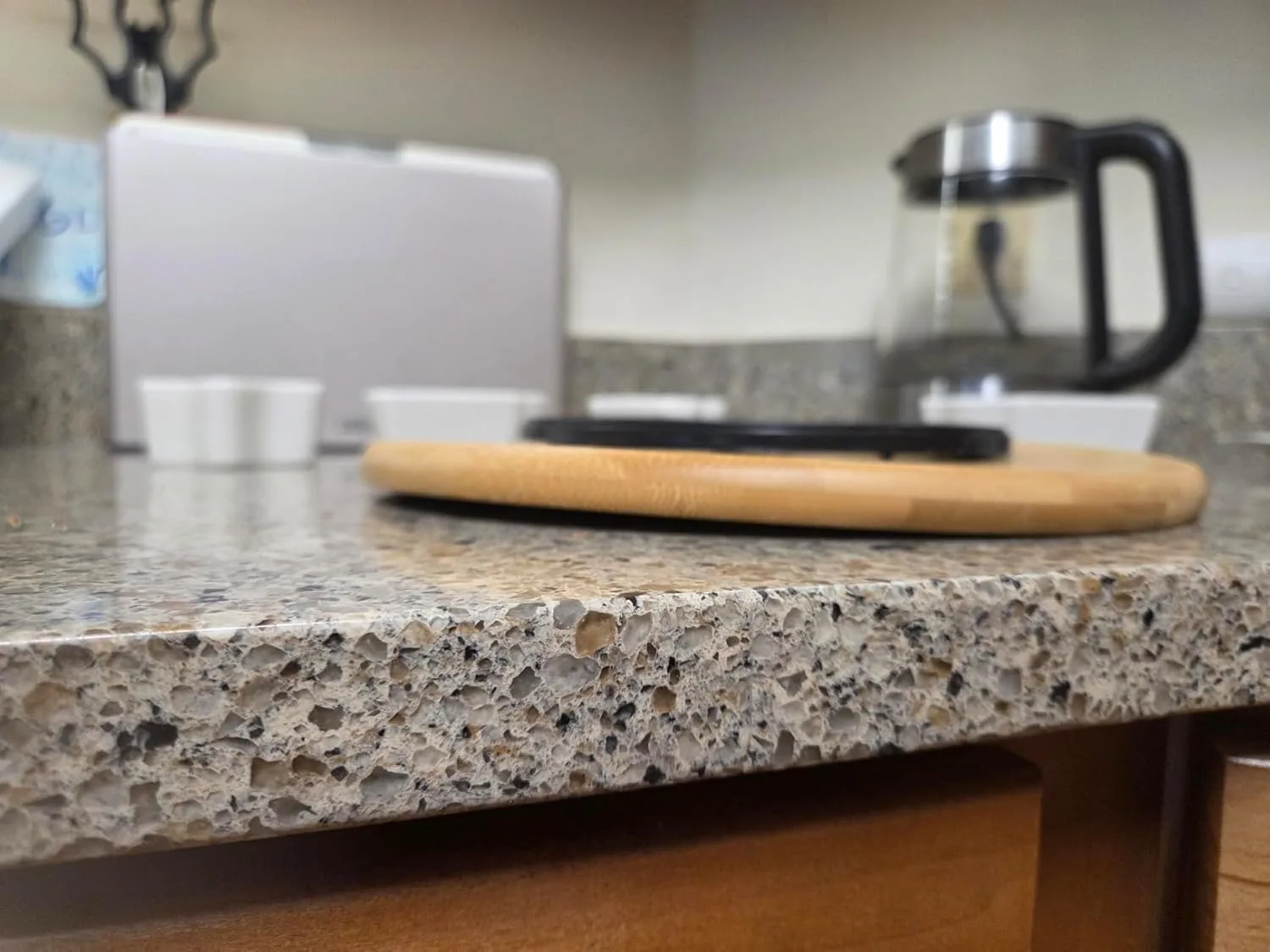
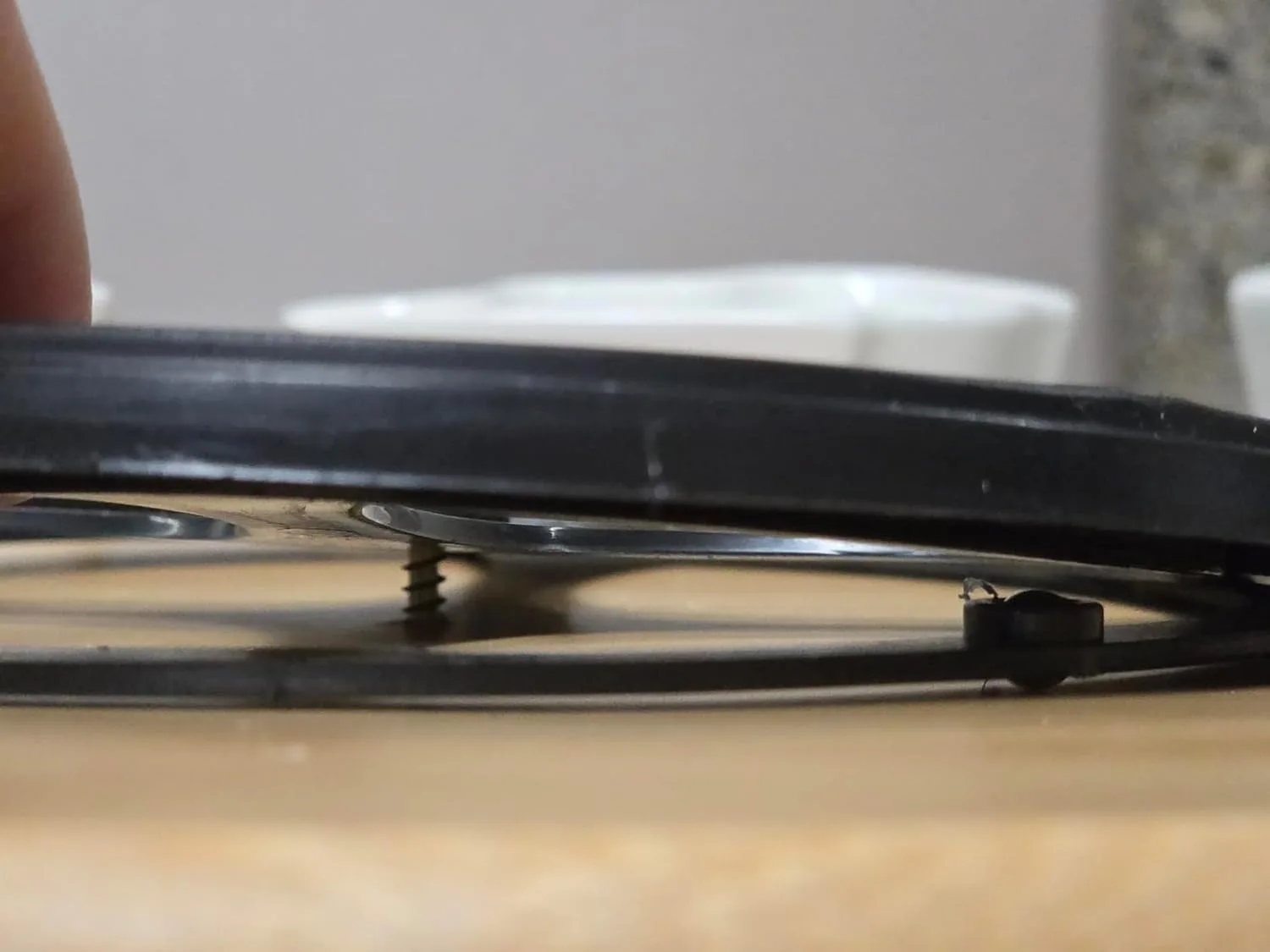
- The rotating base means guests can spin it themselves to reach their favorite layer without reaching across the whole table (a total game-changer for crowded parties).
- Each compartment keeps flavors completely separate — no sour cream bleeding into your guacamole, no mystery mixing before anyone takes a bite.
- The glass dish lets you assemble everything ahead of time and store it in the fridge, then just pop it straight onto the table when guests arrive.
What doesn’t
- At around $20-25, it’s pricier than a standard serving platter, and if you’re only making dip twice a year, that might feel like overkill.
- The compartments are a bit snug — you’ll need to measure your layers carefully or you’ll end up with one overstuffed and one nearly empty.
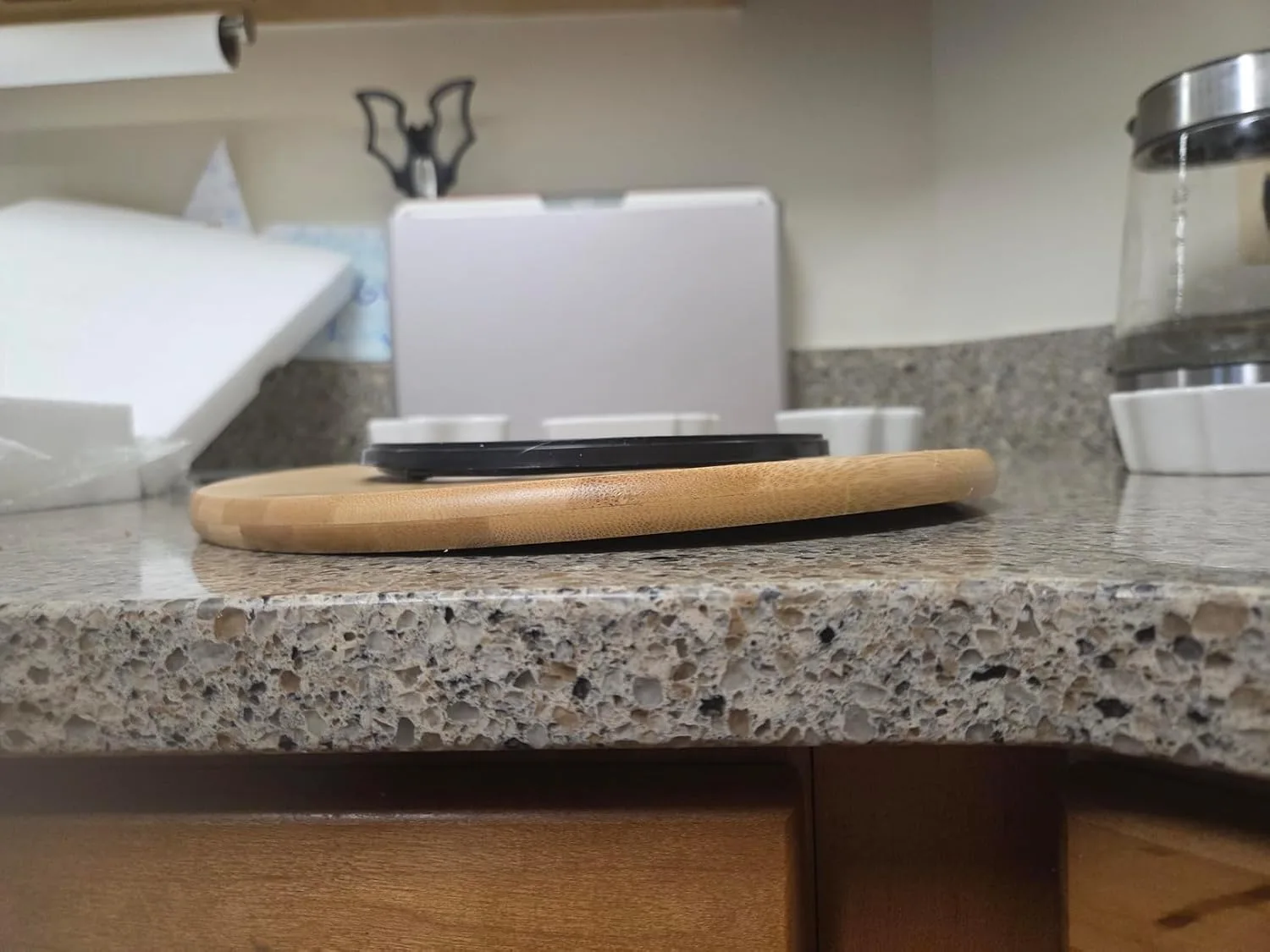
I almost skipped the divided dish for one Super Bowl party because I thought, “It’s just dip, it doesn’t need to be fancy,” but then I watched my guests actually eat from each layer instead of just scraping off the top. That changed my mind fast. Foraineam Rotatable Serving Platter with 7-Compartment Divided Dishes
About This Article

Written by Rachel Thompson. Rachel Thompson is a home cook who has spent over 10 years making an unreasonable number of dips, appetizers, and party spreads — no culinary training, just a decade of trial and error and a reputation among friends for always being asked to "bring a dip." She focuses on approachable recipes that combine bold flavors with simple techniques, making entertaining at home accessible to everyone. More about this site.
Scope and limits. Rachel is a home cook with no culinary training. Follow current food safety guidance for holding temperatures and time limits whenever you are serving people other than yourself.
Verify this against a primary source
Specifics change, and your situation may differ from the one described here. These are the authorities worth checking directly:
- FoodSafety.gov — cold holding, hot holding and the two-hour rule
- USDA FoodData Central — ingredient composition and nutrition data
- USDA Food Safety and Inspection Service — safe minimum temperatures and leftovers