This post contains affiliate links. As an Amazon Associate, I earn from qualifying purchases at no extra cost to you.
Before guacamole was cool, before spinach artichoke dip ruled every restaurant appetizer menu, and long before we were debating whether hummus counts as a “party dip,” there was clam dip. Briny, creamy, utterly retro clam dip. If you’ve ever wondered about the clam dip origin story, buckle up, because it’s one of the most surprisingly glamorous tales in American food history. This little bowl of cream cheese and canned clams was once the chicest thing you could set out at a cocktail party. No, really.
From Coastal Clambakes to Kitchen Staple: The Early History of Clams in America
Long before clam dip showed up on a Formica countertop in suburban Ohio, clams were already deeply woven into the American food story. Indigenous peoples along both the Atlantic and Pacific coasts had been harvesting and cooking clams for thousands of years. Coastal communities built entire culinary traditions around them. Clambakes, chowders, and steamed clams were a way of life from Maine to the Carolinas.
But here’s the thing: clams were historically a regional food. If you didn’t live near the coast, fresh clams were either unavailable or wildly expensive to transport. That changed slowly over the late 19th and early 20th centuries as canning technology improved and rail shipping expanded. By the 1920s and 1930s, canned clams were starting to appear on grocery store shelves in the Midwest and beyond, but they were still considered somewhat specialty and inconsistently available.
The real turning point was coming. It just needed a postwar economy and a few very motivated dairy companies to make it happen.
The Clam Dip Origin Moment: 1950s America and a Recipe That Went National
Here’s where the story gets genuinely exciting. After World War II, American grocery stores transformed. Canned goods became affordable, shelf-stable staples. Brands like Doxsee and Snow’s began making canned clams widely available and nationally distributed. Suddenly, a homemaker in Kansas could crack open a can of chopped clams just as easily as someone in Connecticut. That access changed everything.
At the same time, Philadelphia Cream Cheese was on an aggressive postwar marketing push, positioning their product as the ultimate base for party spreads and dips. Kraft and other dairy companies were doing the same, flooding newspaper food sections with recipes built around cream cheese. The texture was perfect: thick enough to hold a chip, smooth enough to blend with almost anything.
Then came 1954. Sealtest, the dairy company, published a recipe in syndicated newspaper food columns that would quietly change American party food forever. The recipe was simple: cream cheese beaten until fluffy, combined with canned clams, lemon juice, Worcestershire sauce, and garlic. It spread nationally almost immediately, because that’s what syndicated food columns did. One recipe, hundreds of newspapers, millions of readers. Clam dip had officially arrived.
What made this combination so genius from a flavor standpoint is something food scientists would call umami stacking. The briny clam juice, the savory Worcestershire, the tang of cream cheese, the sharpness of garlic. Every element amplified the others. It tasted complex and sophisticated with almost zero effort. That formula, by the way, became the structural template for ranch dip, onion dip, and nearly every creamy party dip that followed.
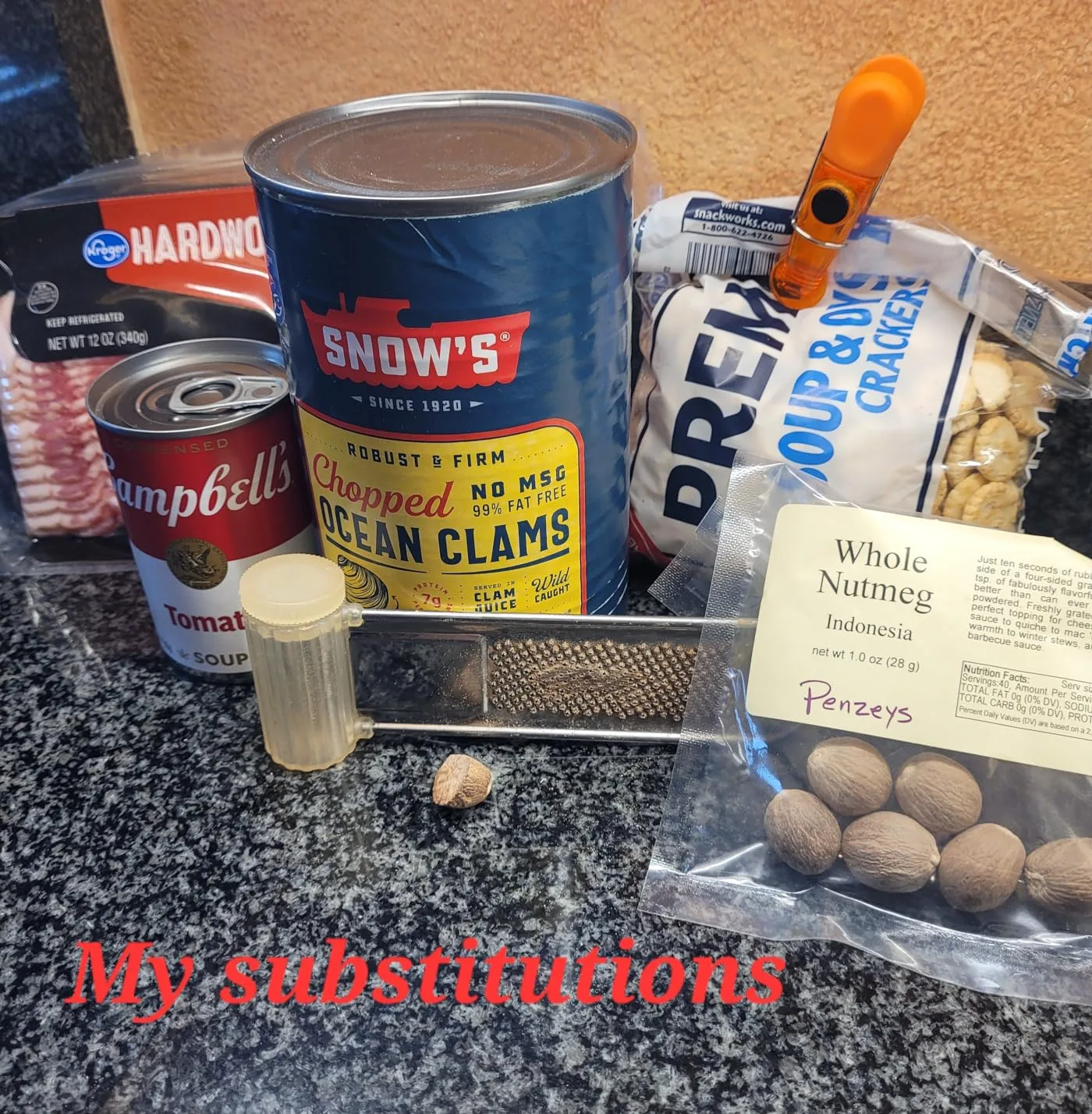
If you want to try this at home using the real deal, I love using Snow’s Wild Caught Chopped Clams (Pack of 6). They’re keto-friendly, 99% fat free, and pack genuine briny flavor that makes the dip sing the way it was meant to.
The Glamour Years: Clam Dip at the Height of the Eisenhower Era
I love this part of the story so much. Clam dip didn’t just become popular in the mid-1950s. It became a status symbol. Serving clam dip at your cocktail party in 1956 sent a very specific message to your guests: we have taste, we have means, and we know about the sea. It was aspirational in a way that’s genuinely funny in retrospect, but completely sincere at the time.
Think about the context. The Eisenhower era was a moment of postwar prosperity, suburban expansion, and a kind of performed sophistication. Ranch houses had sunken living rooms designed for entertaining. Hostess culture was enormous. What you served at a cocktail party mattered deeply as a social signal. And clam dip, with its hint of the coastal, its slightly exotic brininess, its elegant simplicity, fit that moment perfectly.
From roughly 1955 to 1975, clam dip appeared in nearly every mid-century American cookbook you can name and in countless church potluck collections across the country. It was the dip. Chips and dip as a concept was still relatively new, and clam dip was its most glamorous expression. It rode that wave for two full decades before the cultural tides shifted.
By the 1980s, tastes were changing. Guacamole and salsa arrived as the new “adventurous” party foods, carrying with them the energy of something fresher and more global. Clam dip started to feel dated, associated with your parents’ parties rather than your own. It faded from the spotlight, though it never fully disappeared from the homes of people who genuinely loved it.
Did You Know? Fun Facts About Clam Dip
- The 1954 Sealtest recipe that launched clam dip nationwide was distributed through syndicated newspaper food columns, reaching millions of American homes in a single print cycle.
- Clam dip’s flavor combination of cream cheese, clam juice, and Worcestershire sauce created the structural template that later inspired ranch dip and classic onion dip.
- Serving clam dip at a cocktail party in the mid-1950s was considered a genuine mark of sophistication, signaling coastal awareness and refined taste.
- At its peak, clam dip appeared in nearly every major American entertaining cookbook published between 1955 and 1975.
- Post-WWII marketing by Philadelphia Cream Cheese helped fuel the entire dip revolution by positioning cream cheese as the ideal party food base.
- Clam dip’s decline in the 1980s coincided almost exactly with the rise of guacamole and salsa as the new symbols of adventurous American party food.
Why Clam Dip Deserves a Spot at Your Next Party Table
Here’s my honest take: clam dip is one of those foods that got unfairly swept away by trends rather than losing its actual deliciousness. Because the flavor is genuinely great. That combination of cream cheese richness with the briny, savory depth of clams and the umami punch of Worcestershire creates something that hits every part of your palate. It’s deeply satisfying in a way that a lot of trendier dips simply aren’t.
Food writers are starting to notice this. There’s a real retro renaissance happening around clam dip, driven partly by nostalgia and partly by cooks who are discovering its genuine umami depth for the first time. It’s showing up on menus at mid-century inspired restaurants and in the recipe columns of food magazines that want to celebrate underappreciated American classics. I think that’s exactly right.
There’s also something quietly radical about cooking from food history. When you make clam dip, you’re connected to decades of American home cooks who stood in their kitchens, opened a can, and created something their guests raved about. That continuity is part of what makes food so meaningful. It carries stories forward.
Make It Yourself: Bring the Clam Dip Origin Story to Your Own Kitchen
The beauty of clam dip is how absurdly simple it is to make. You don’t need any special equipment or obscure ingredients. The original 1954-era recipe is essentially just three pantry items and a bowl. Here’s how to do it justice at home.
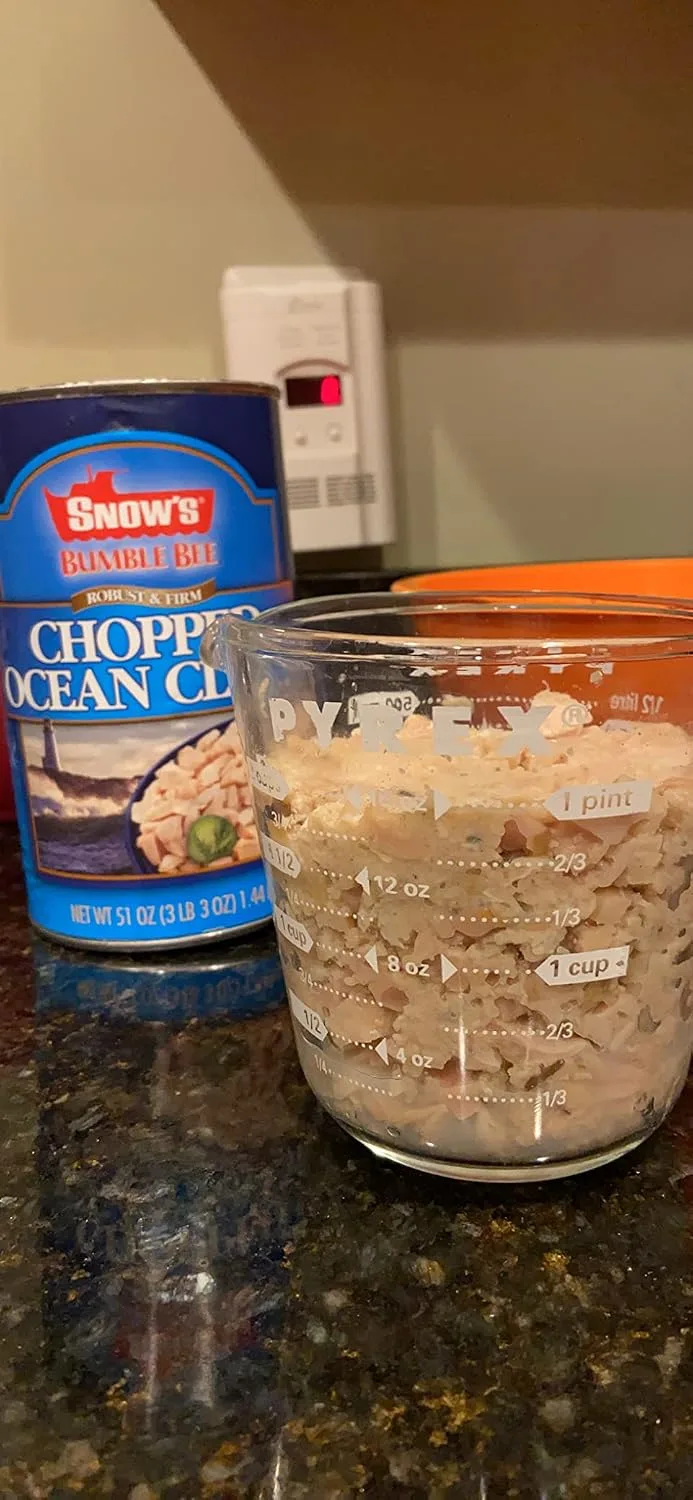
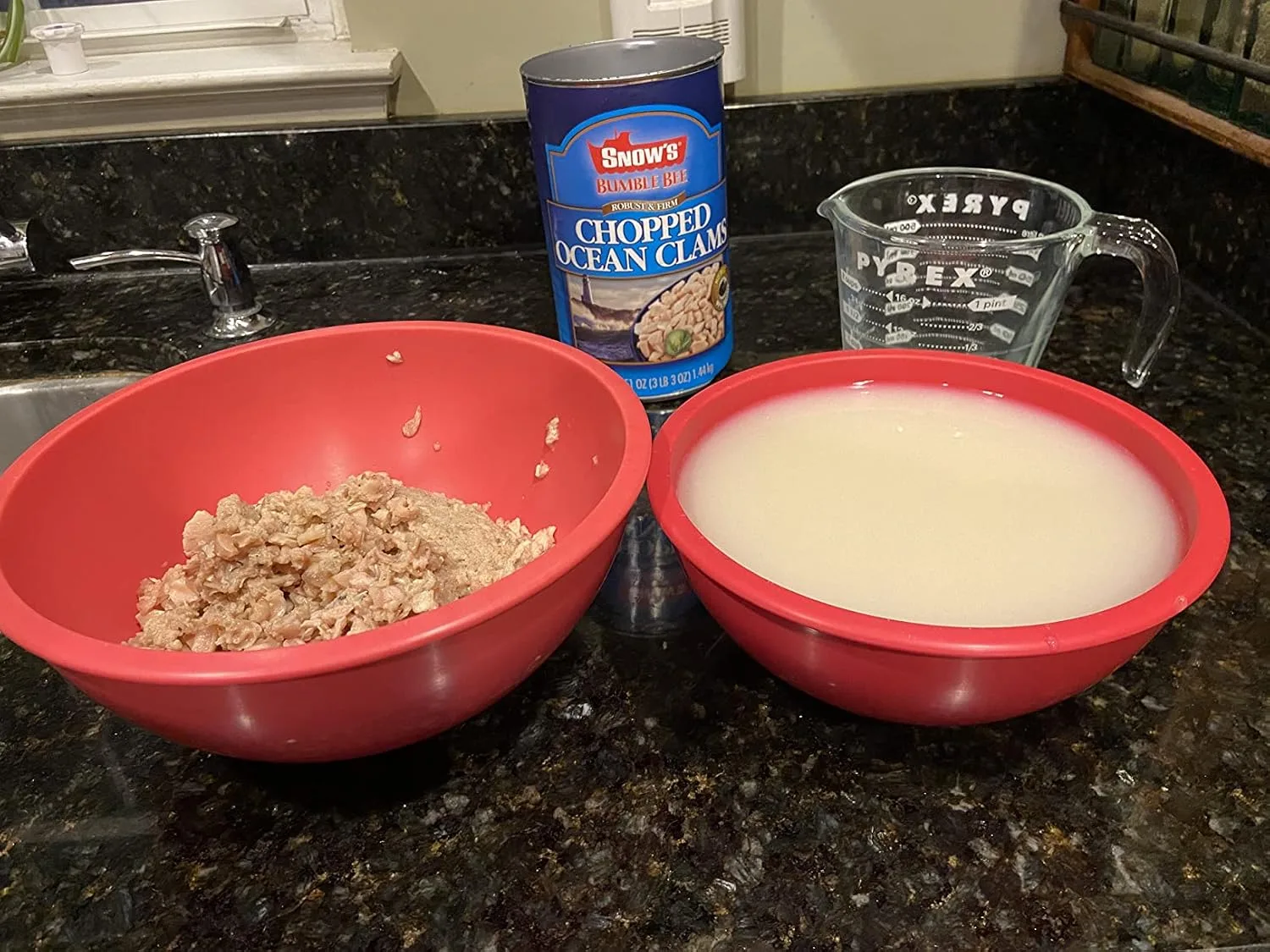
Start with a block of softened cream cheese. I’ve been using Amazon Grocery Cream Cheese (8 oz), which whips up beautifully smooth and is the perfect size for a single batch. Beat it until it’s fluffy, then fold in your clams. For the clams, I highly recommend the Snow’s Ocean Chopped Clams in the 51 oz can if you’re making a big batch for a party. It’s the kind of quality that makes a real difference, with no MSG and that clean, genuine ocean flavor that the original recipe was built around.
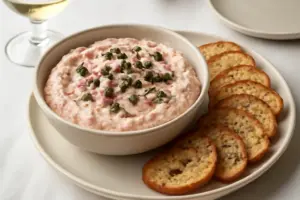
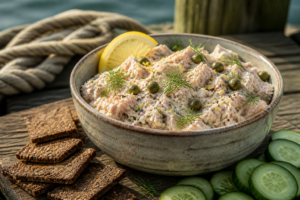
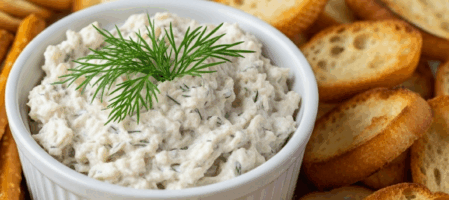
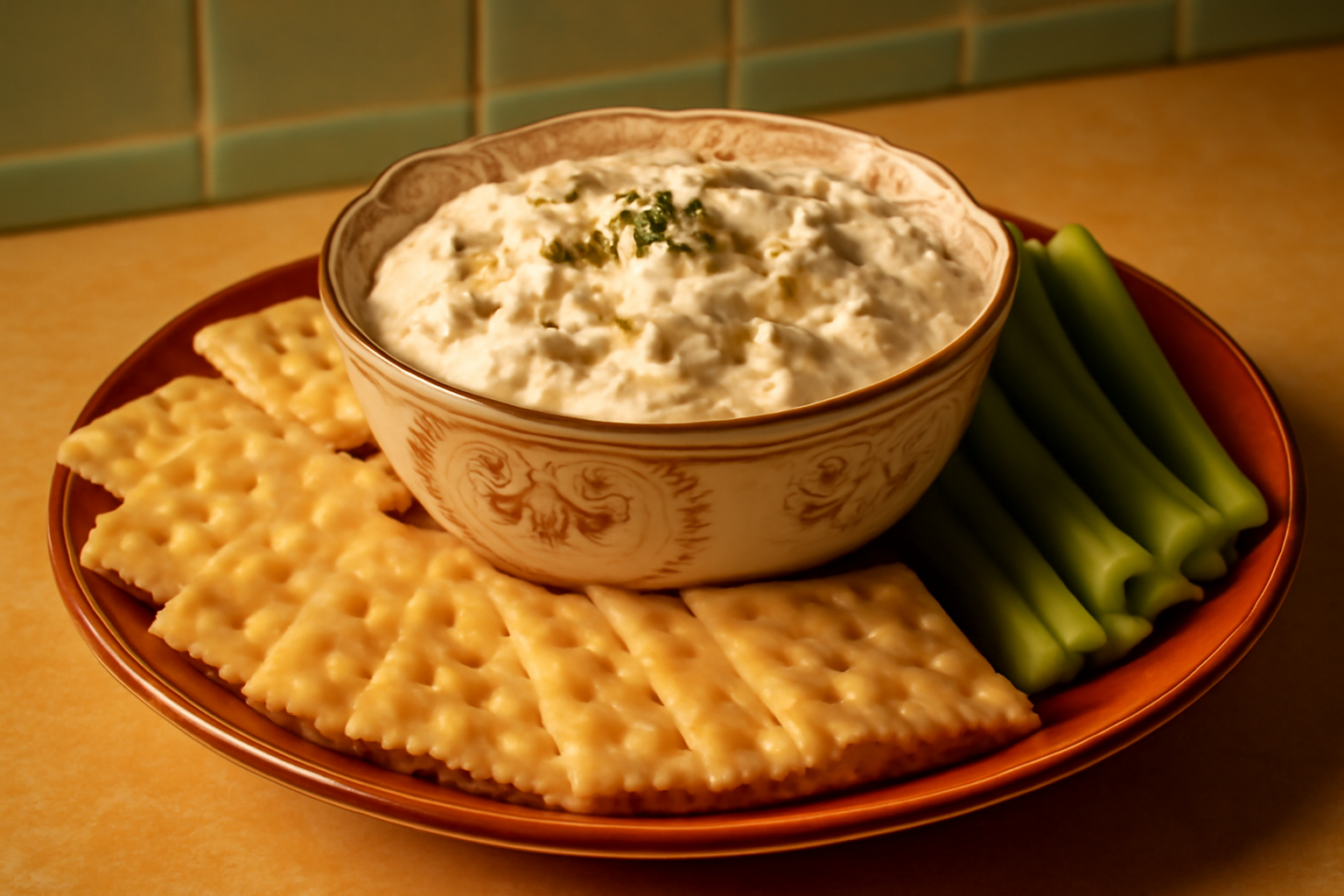
Add a splash of Worcestershire sauce, a squeeze of fresh lemon juice, a clove or two of minced garlic, and a little of the reserved clam juice to loosen the texture. Season with salt, white pepper, and a pinch of hot sauce if you like a little heat. Chill it for at least an hour so the flavors come together. Serve with potato chips or crackers, just like they did in 1955.
Taste it and I promise you’ll wonder why this ever went out of style. It’s rich, briny, savory, and genuinely addictive. Once you understand the clam dip origin story and how much culinary history is packed into that little bowl, it tastes even better. Share it at your next gathering and tell someone the story. Because food is always more delicious when you know where it came from.