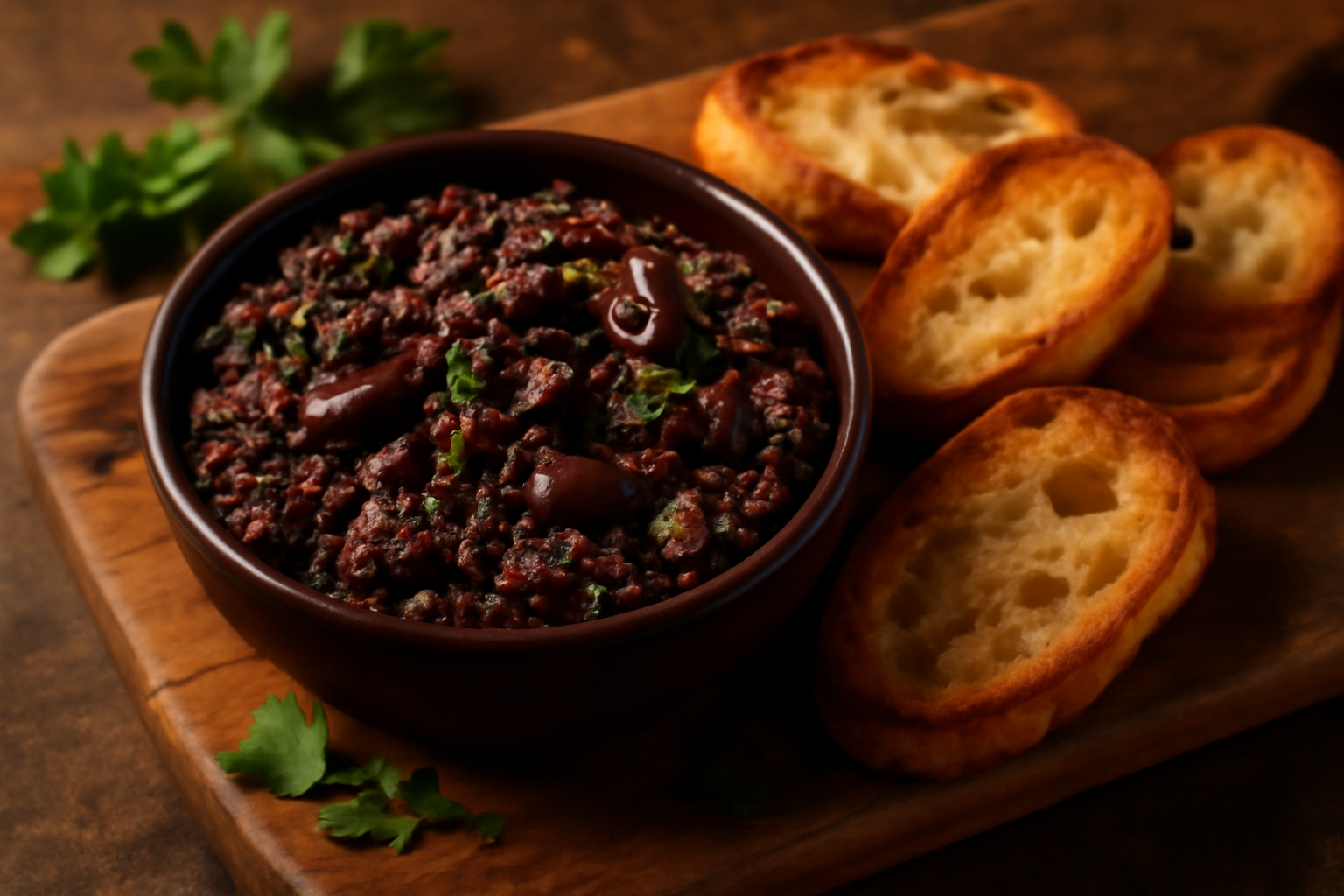

You know that moment at a party when you spot a little bowl of something dark and glossy sitting next to a pile of crusty bread — and suddenly nothing else matters? That’s the power of a great olive tapenade. I first made this olive tapenade recipe on a chaotic Friday night when I had zero energy to cook but desperately needed something impressive to bring to a neighbor’s get-together. I threw a few pantry staples into my food processor, pulsed it six times, and walked in with the most talked-about appetizer of the night. Friends were scooping it onto everything in sight. And honestly? I’ve never looked back.
This spread is bold, briny, herby, and deeply savory in the best possible way. It comes together in about five minutes flat, requires zero cooking, and tastes like something you ordered at a little restaurant tucked into a Mediterranean hillside. Whether you’re hosting a dinner party, building the ultimate charcuterie board, or just raiding your fridge on a Tuesday, this tapenade is your new best friend.
Why This Olive Tapenade Recipe Works So Well
Let’s talk about what makes this version extra special, because not all tapenades are created equal. The secret is using two different olive varieties — Kalamata and Castelvetrano. Kalamata olives bring that classic deep, briny, almost wine-like punch. Castelvetrano olives are buttery, mild, and a little sweet. Together, they create this gorgeous complexity that a single-olive tapenade just can’t touch.
Then there’s the anchovy paste. I know, I know — don’t run away! You won’t taste “fish” at all. What anchovy paste does is add this incredible savory depth, that umami backbone that makes you keep reaching for more without quite knowing why. It’s the quiet hero of the whole recipe. Trust the process on this one.
And the capers? Tiny little flavor bombs of tangy, pickled perfection. They tie everything together beautifully.
The Recipe: Olive Tapenade
Ingredients
- 2 cups pitted Kalamata olives
- 2 tablespoons capers, drained
- 2 anchovy fillets, or 1 teaspoon anchovy paste
- 1 clove garlic
- 1 tablespoon lemon juice
- 1 teaspoon fresh thyme leaves
- ⅓ cup olive oil
- Black pepper
Recipe Details
- Makes: about 1½ cups
- Time: 5 minutes
Instructions
- Rinse the olives briefly and pat dry, or the tapenade turns punishingly salty.
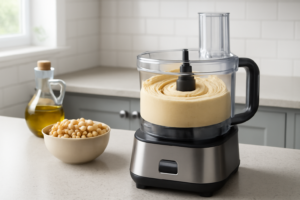
- Pulse the olives, capers, anchovy, garlic, and thyme in a food processor until coarsely chopped. Stop well short of a purée — tapenade should have texture.
- Add the lemon juice and pulse once more.
- With the motor running, pour in the olive oil in a thin stream until it comes together.
- Season with pepper. It almost never needs salt.
- Serve at room temperature. Cold from the fridge the olive oil sets and the flavour flattens.
The Olives That Actually Taste Like Olives (Not Brine)
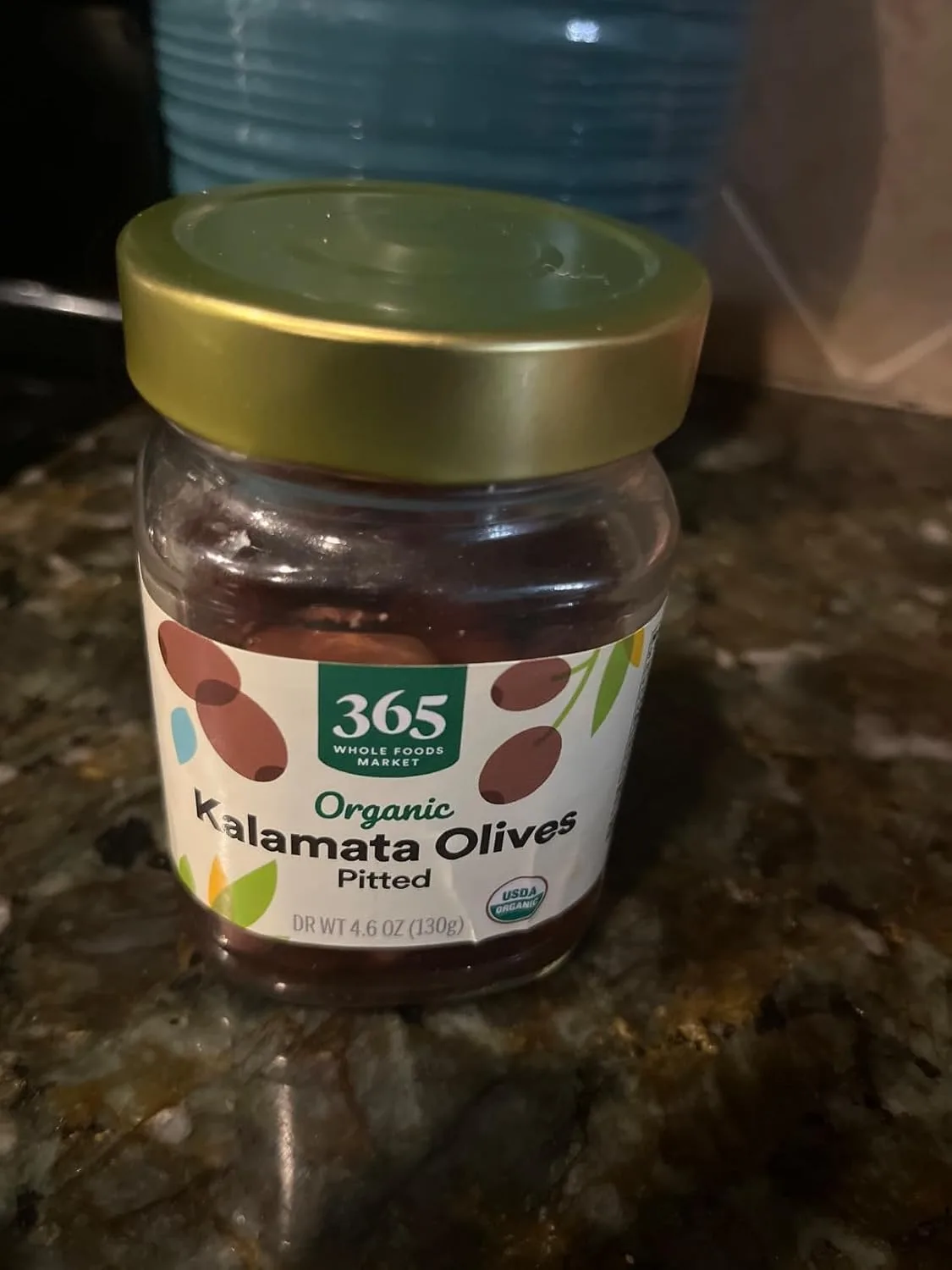
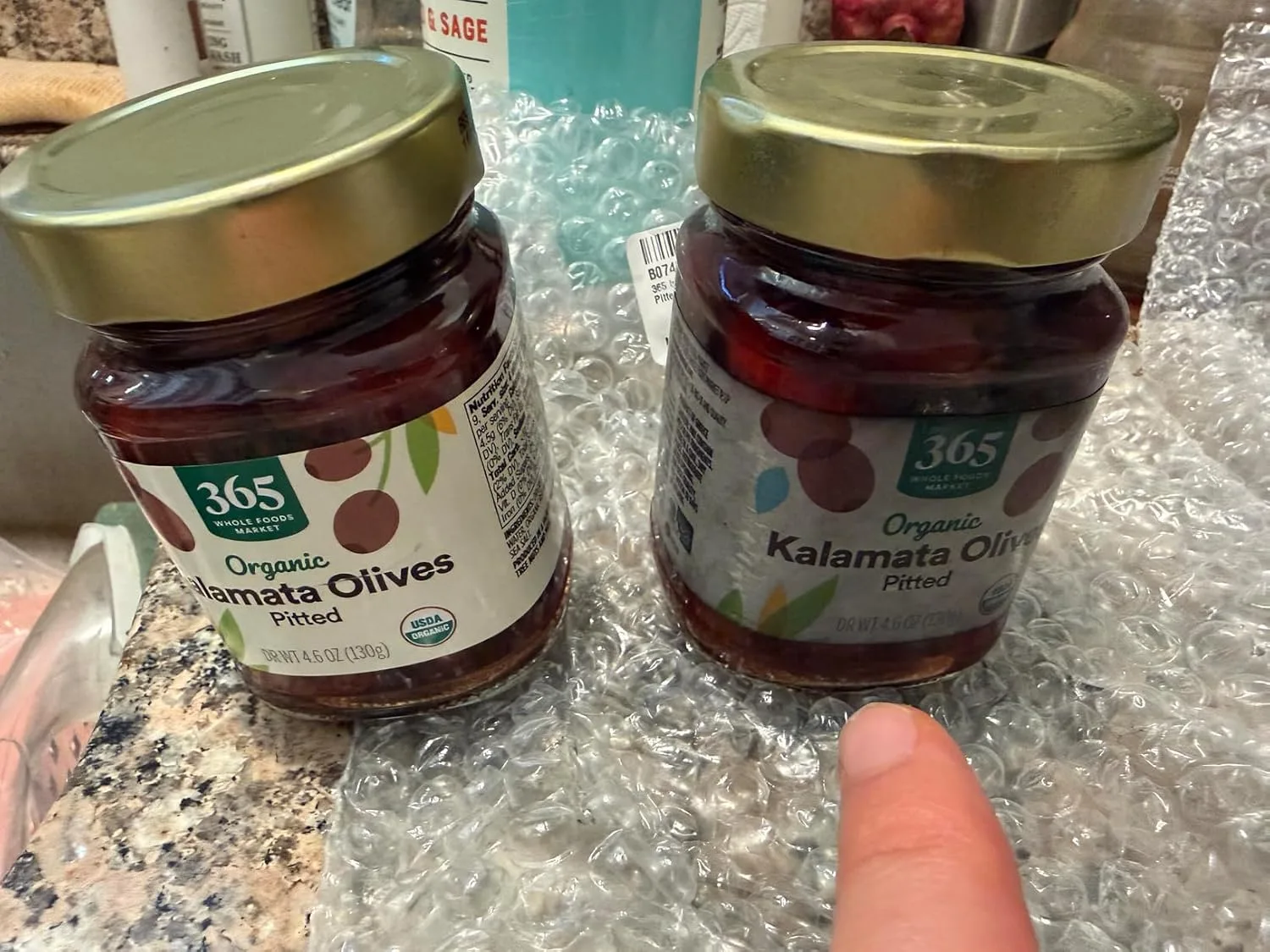
Good tapenade lives or dies by the olives, and I learned this the hard way after my first batch tasted like a salt lick. These organic kalamata olives are already pitted, so you skip the annoying pit-spitting moment, and they have that deep, almost chocolatey flavor that makes people actually pause and ask what’s in this thing.
What works
- No pits to fish out—you go straight from jar to food processor, which actually keeps the 5-minute promise real
- Rich, fruity flavor that doesn’t taste briny or over-salted, so your tapenade tastes like something intentional, not like you dumped a salt shaker into a bowl
- The organic certification means fewer additives, so the olive flavor stays front and center instead of getting buried by preservatives
What doesn’t
- Price-wise, these run a bit higher than the bulk-bin olives, but one jar makes enough tapenade for a party, so it actually evens out
- They come in oil, so if you drain them but don’t pat them dry, your tapenade can get greasy—just give them a quick paper towel wipe and you’re golden
I once brought a tapenade to a dinner party that tasted so briny I could barely eat it myself, and I realized I’d grabbed whatever olives were on sale that week without thinking twice. Now I always reach for these first because I know the result is actually going to impress people, not make them wonder why I brought something so aggressively salty. Grab the 365 by Whole Foods Market and stop second-guessing your base ingredient.
French Dips and Spreads Like Tapenade
If you love olive tapenade, you’re going to fall hard for the whole family of French dips and spreads that live in that same Mediterranean lane. These are the spreads I keep coming back to when I want something with that same bold, briny, deeply savory character. Each one has its own personality, but they all share that quality of tasting like you’ve just stepped into a little Provençal kitchen. Here’s what you need to know about the spreads that sit right next to tapenade in the French pantry.
Anchoiade
This is basically tapenade’s closest cousin, and honestly, if you already love olive tapenade, anchoiade might become your new obsession. It’s a Provençal spread built on anchovy paste, garlic, and olive oil pounded together until it’s thick and creamy. Some versions add a touch of red wine vinegar or lemon juice. The anchovy is front and center here, but in the best way—deeply savory and umami-rich without tasting fishy. Serve it with raw fennel, celery, and radishes for that classic Provençal presentation.
Brandade de Morue
This one’s a little more involved than tapenade, but it’s worth knowing about. Brandade is salt cod that’s been soaked, shredded, and whipped together with potato, garlic, and olive oil until it becomes this impossibly creamy, luxurious spread. It comes from Nimes in the south and is traditionally served warm. Unlike olive tapenade, which you can eat straight from the bowl, brandade is best spread thick onto toasted baguette slices fresh from the oven.
Aioli
The Provençal garlic mayonnaise. At its heart, aioli is just garlic, egg yolk, and olive oil emulsified together, but that simplicity is the whole point. It’s rich, garlicky, and utterly essential to a grand aioli platter—the traditional way to serve it with boiled vegetables, hard-boiled eggs, and poached fish. Where tapenade is about the olives, aioli is about the garlic. It’s a different kind of bold.
Rillettes
Rillettes are slow-cooked, shredded meat—usually pork, but you’ll also find duck and salmon versions—packed in its own fat until it becomes spreadable and rich. There’s garlic, sometimes a touch of wine, and that’s really it. You spread it thick on baguette and serve it with cornichons on the side. It’s more luxurious than olive tapenade and a lot heavier, but if you’re building a French board, it’s a texture you want represented.
Pissaladiere Spread
This one gets its inspiration from the Niçoise onion tart. Imagine deeply caramelized onions cooked down for what feels like forever, mixed with anchovy paste and olives. It’s sweet, savory, briny, and utterly addictive. Some people use it as a dip, some spread it on bread—honestly, it works both ways. It’s richer and more onion-forward than olive tapenade, but if you like that anchovy-and-olive combination, you’ll understand the appeal immediately.
Fromage Fort
This is the thrifty French classic born out of leftover cheese ends. You blitz whatever hard cheese scraps you have with white wine, garlic, and butter until it becomes a thick, spreadable paste. It tastes like concentrated cheese and garlic, and it’s nothing like olive tapenade in ingredient list, but it has that same “I can’t stop eating this” quality. It’s tangy, buttery, and absolutely meant for baguette.
Tapenade Verte
The green olive cousin to the black olive tapenade you’ve probably been making. Tapenade verte uses green olives instead of black, then adds capers, almonds, and parsley to the mix. It’s milder and brighter than the black version, with a slightly nutty note from the almonds. If you find regular olive tapenade recipe versions too intense, the green version might be your sweet spot.
How to Build a French Dip Board
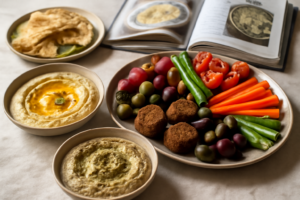
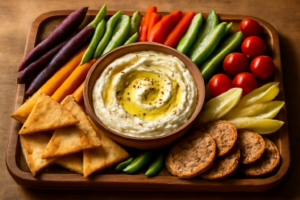
The smartest move I ever made was stopping thinking of these spreads as individual appetizers and starting to serve three or four of them together on a single board. Pick your combination—maybe your olive tapenade, an anchoiade, some rillettes, and fromage fort—and arrange them in small bowls around a cutting board. Set out a basket of sliced baguette, a small pile of cornichons, and a plate of radishes with a little butter and fleur de sel for dipping. Pour a dry rosé or a Côtes du Rhône, and suddenly you’ve got something that looks and feels way more impressive than the effort involved. Everyone gets to taste the whole spectrum of French spreads without you having to make five different dishes. It’s my favorite way to entertain, honestly.
FAQ
Is tapenade French or Italian?
This is actually a fun bit of food history. Tapenade is from Provence in southern France, though it’s made with ingredients and techniques that bleed across the Mediterranean. The word itself comes from the Provençal word “tapéno,” which means capers. So while olives are everywhere around the Mediterranean, tapenade as we know it—this specific spread made from olives, capers, and anchovies—is distinctly French. That said, you’ll find very similar spreads all over Italy and Greece. The Mediterranean doesn’t really recognize borders when it comes to food.
What French dips are similar to tapenade?
Anchoiade is your closest match—it’s made in the same region and has that same briny, savory, umami-forward character. Pissaladiere spread is another one that shares tapenade’s olive-and-anchovy DNA. If you like the bold, spreadable nature of olive tapenade but want something different, you might also explore rillettes for something richer, or tapenade verte for something brighter. They’re all in the same family of assertive, deeply flavored French spreads meant for bread and entertaining.
What do you serve with tapenade and other French spreads?
Baguette is the obvious answer and honestly the best one. But beyond that, think raw vegetables—fennel, celery, radishes—and pickled vegetables like cornichons. Hard-boiled eggs work beautifully on a board with these spreads. Olives themselves, if you want to lean into the theme. For a more substantial spread, you can serve them with cured meats, creamy cheeses, and toasted bread. The point is contrast: something cool and crunchy, something warm and toasted, something creamy. These spreads are the seasoning and the soul of the board, not meant to stand alone. They’re meant to be layered, tasted, and experienced as part of something bigger.
About This Article

Written by Rachel Thompson. Rachel Thompson is a home cook who has spent over 10 years making an unreasonable number of dips, appetizers, and party spreads — no culinary training, just a decade of trial and error and a reputation among friends for always being asked to "bring a dip." She focuses on approachable recipes that combine bold flavors with simple techniques, making entertaining at home accessible to everyone. More about this site.
Scope and limits. Rachel is a home cook with no culinary training. Follow current food safety guidance for holding temperatures and time limits whenever you are serving people other than yourself.
Verify this against a primary source
Specifics change, and your situation may differ from the one described here. These are the authorities worth checking directly:
- FoodSafety.gov — cold holding, hot holding and the two-hour rule
- USDA FoodData Central — ingredient composition and nutrition data
- USDA Food Safety and Inspection Service — safe minimum temperatures and leftovers