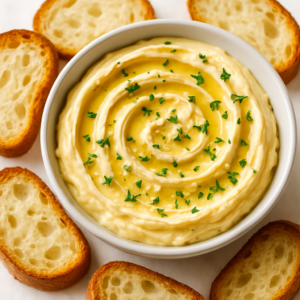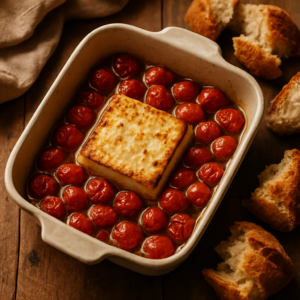
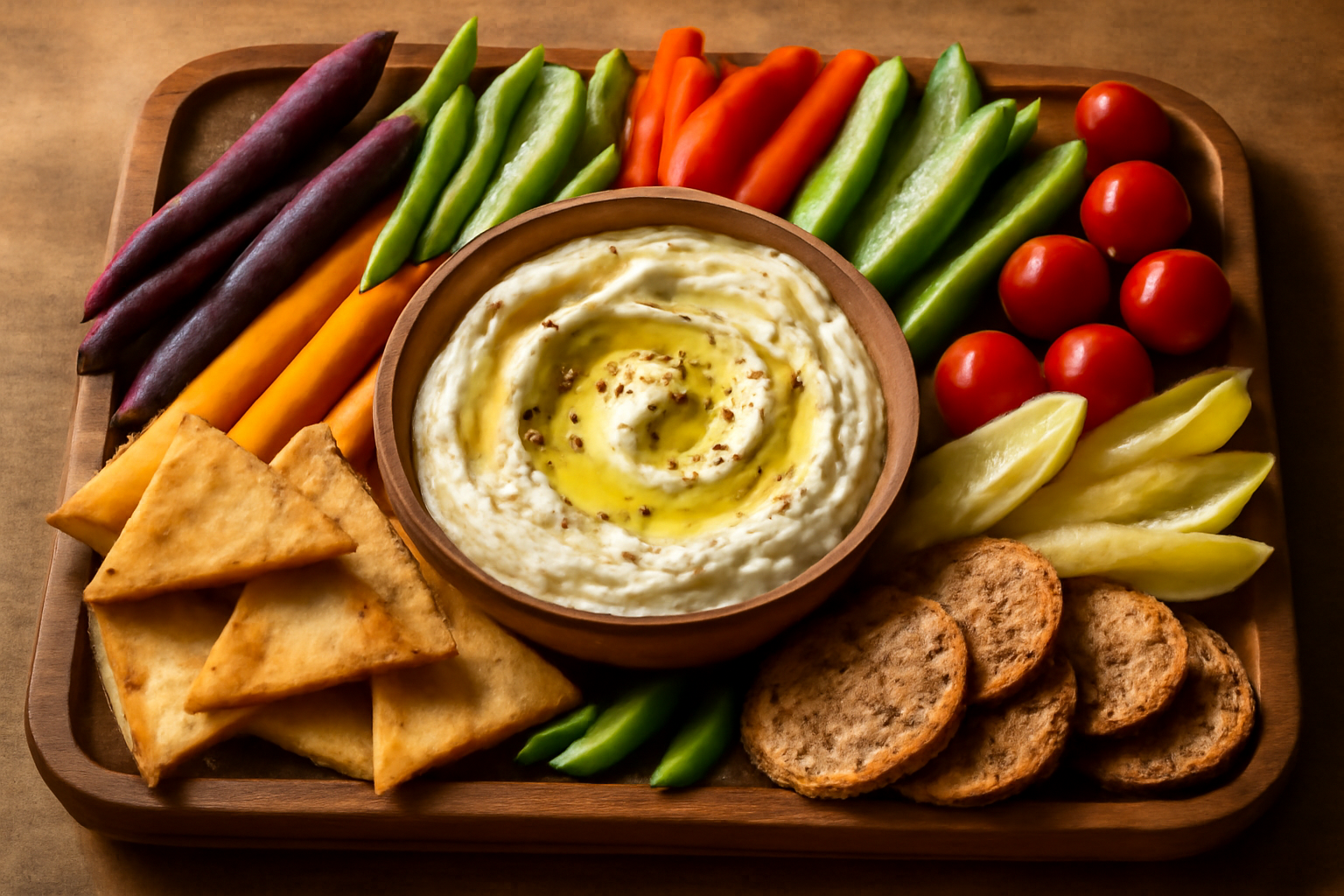

I have been making whipped feta dip for about ten years. I know that because I can pinpoint exactly when I first made it — a New Year’s Eve party in 2016 where I showed up with three dips and this was the one that ran out before midnight. Someone literally scraped the bowl. I stood there watching it happen, slightly smug, already planning when I’d make it again.
In the years since, I’ve made this dip probably 60 or 70 times. I’ve tested it with different feta brands, different ratios of cream cheese to feta, with and without lemon, with roasted garlic versus raw, with olive oil drizzled on top and without. I’ve brought it to potlucks in January and outdoor parties in August. I’ve made it in a blender, in a food processor, and with a hand mixer. I have opinions about all of it.
What I want to share here isn’t just a recipe — it’s everything I’ve learned about why whipped feta dip works, what makes it fail, and how to get it right every single time.
Why Whipped Feta Dip Is Different From Every Other Cheese Dip
Most cheese dips rely on heat — you melt something, add something else, keep it warm, and hope the party doesn’t run long. Whipped feta is cold, stable, and actually gets better as it sits. That alone makes it exceptional in the context of party food.
But the thing that changed how I think about cheese is more specific than that. Feta has this sharp, briny intensity that, when you eat it in a salad or crumbled on top of something, can feel almost aggressive. When you whip it — properly, with a little fat and acid — something happens to that sharpness. It rounds out. The salt becomes part of the flavor profile instead of dominating it. The texture goes from crumbly and dense to light and almost mousse-like. It still tastes unmistakably like feta. But it’s approachable in a way that feta on its own rarely is for people who think they don’t like it.
I have converted at least a dozen self-described feta skeptics with this dip. That’s not nothing.
The Actual Recipe (With the Ratios That Matter)
Here’s what I use as my base. This makes enough to fill a standard serving bowl and feed about 10 to 12 people as part of a spread.
- 8 oz block feta, drained and patted dry
- 4 oz full-fat cream cheese, at room temperature
- 2 tablespoons good olive oil, plus more for serving
- 1 tablespoon fresh lemon juice
- 1 small clove of garlic (optional, but I almost always include it)
- Black pepper to taste
Everything goes into a food processor. Run it for a full two minutes — longer than you think you need to. Stop and scrape down the sides at least once. You’re looking for a texture that’s completely smooth, with no visible crumbles. That’s when it’s done.
The cream cheese is not optional. I know some recipes skip it, and the result is technically edible, but without it the texture is grainy and the dip doesn’t hold well at room temperature. The fat in the cream cheese gives it body and stability. The ratio of 2:1 feta to cream cheese is the sweet spot — any more cream cheese and you start losing the feta flavor, any less and the texture suffers.
What to Put on Top
The base dip is neutral enough that the toppings are where you get to make it your own. Here are the combinations I come back to most often:
The Classic
Good olive oil, a crack of black pepper, a pinch of red pepper flakes, and fresh herbs — usually dill or mint. This is the version I bring to parties where I don’t know the crowd well. It’s familiar, it’s beautiful, and it pleases almost everyone.
The Hot Honey Version
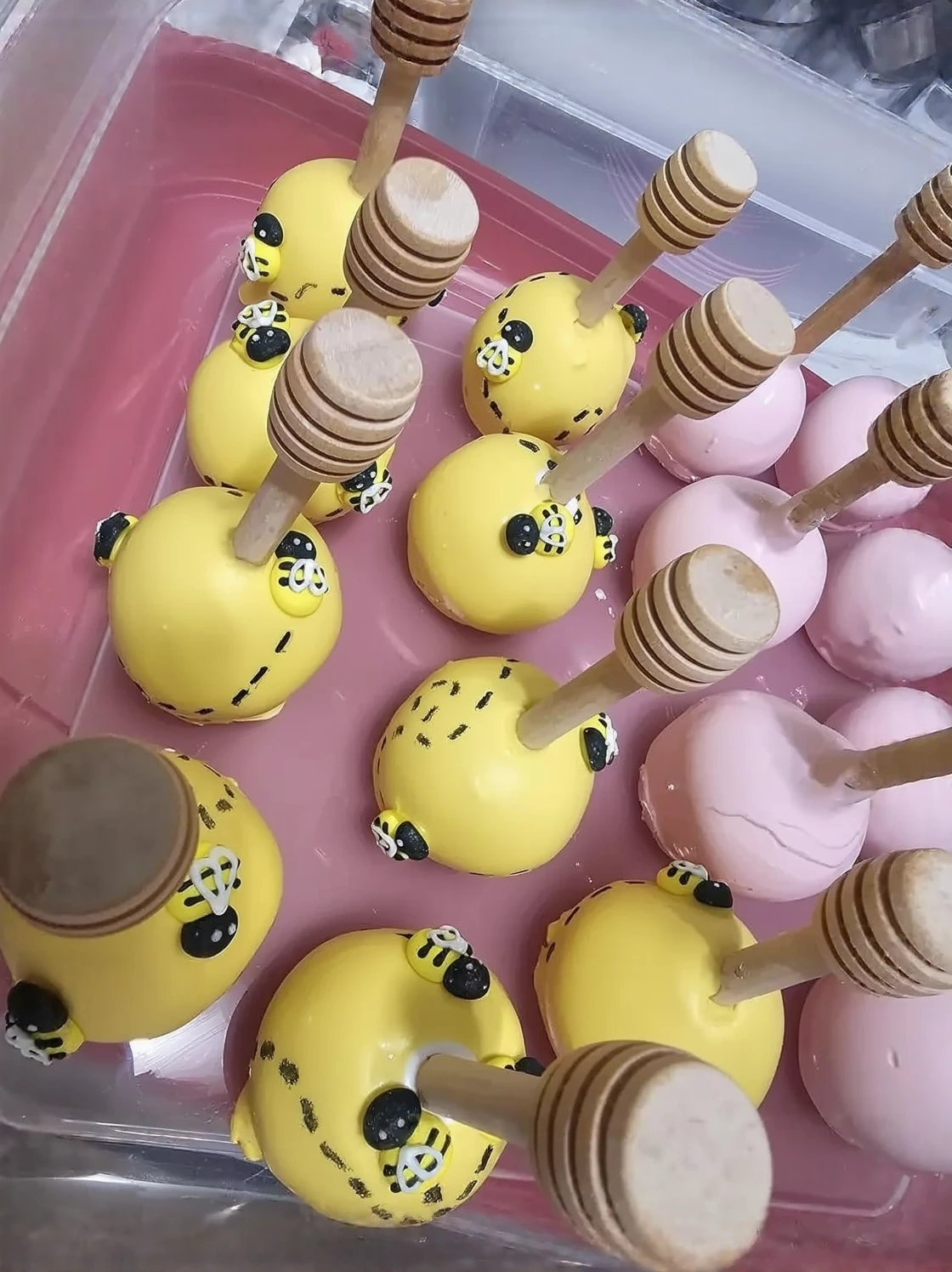
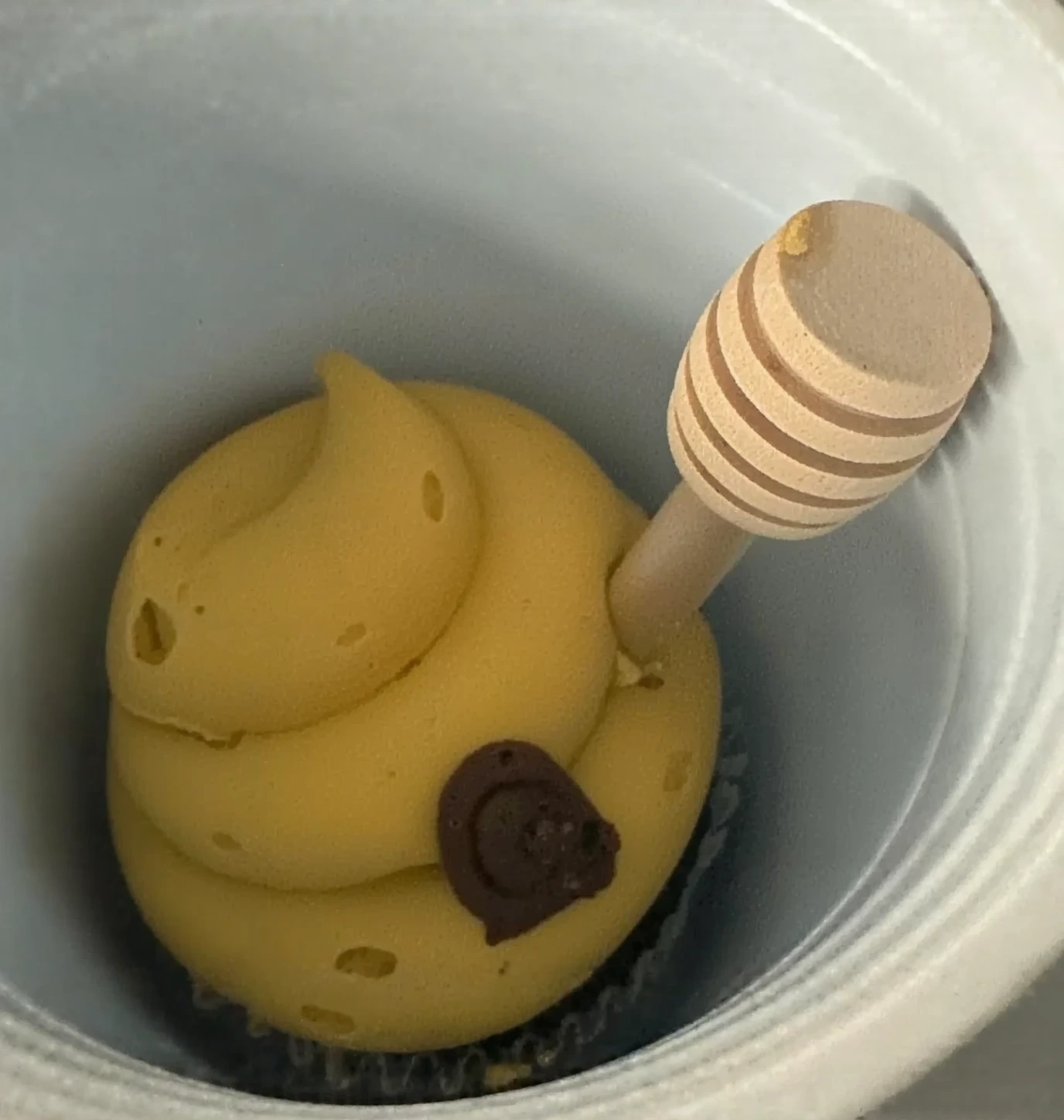
This is my personal favorite and the one people ask about most. Drizzle hot honey generously over the top, add a handful of toasted walnuts, and finish with fresh thyme. The contrast between the salty, tangy feta and the sweet heat of the honey is genuinely stunning. If you want to go the extra mile, use a honey dipper stick for serving — it makes the drizzle more even and looks far more intentional than pouring from the bottle.
The Roasted Tomato Version
Slow-roasted cherry tomatoes with garlic, olive oil, and a little balsamic reduction spooned over the top. This one requires more advance prep but it’s the version that makes people think you went to culinary school.
What I Use: Feta Recommendations
Feta quality matters more here than in almost any other recipe, because you’re not hiding the cheese — you’re amplifying it. I’ve tested this with at least eight different brands over the years, and here’s where I’ve landed.
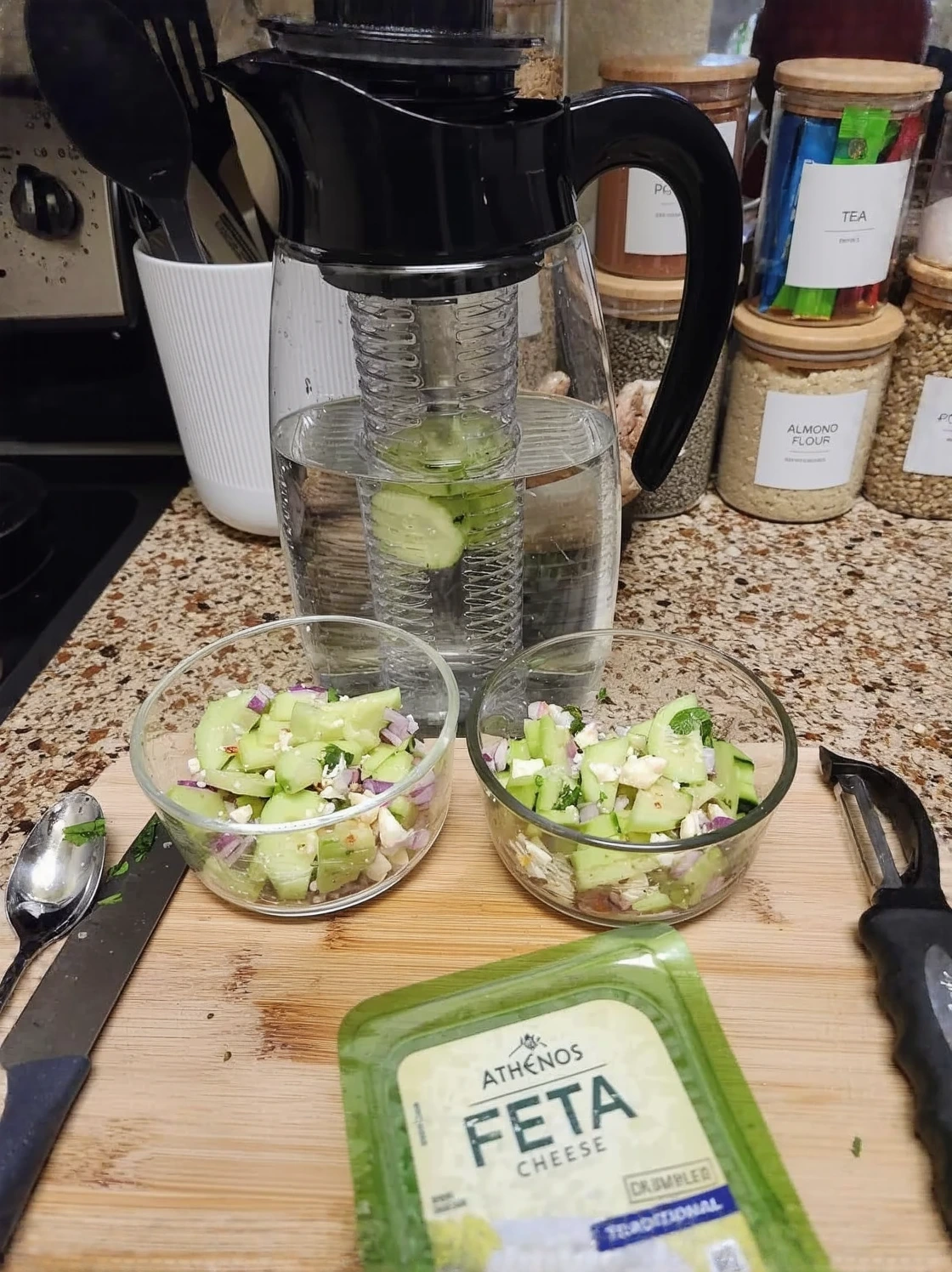
For everyday batches and larger parties, I use Athenos Chunk Traditional Feta Cheese. It’s widely available, consistently briny and tangy, and the chunk format means you can drain it properly before using it — something you can’t do with pre-crumbled feta, which tends to be drier and less flavorful.
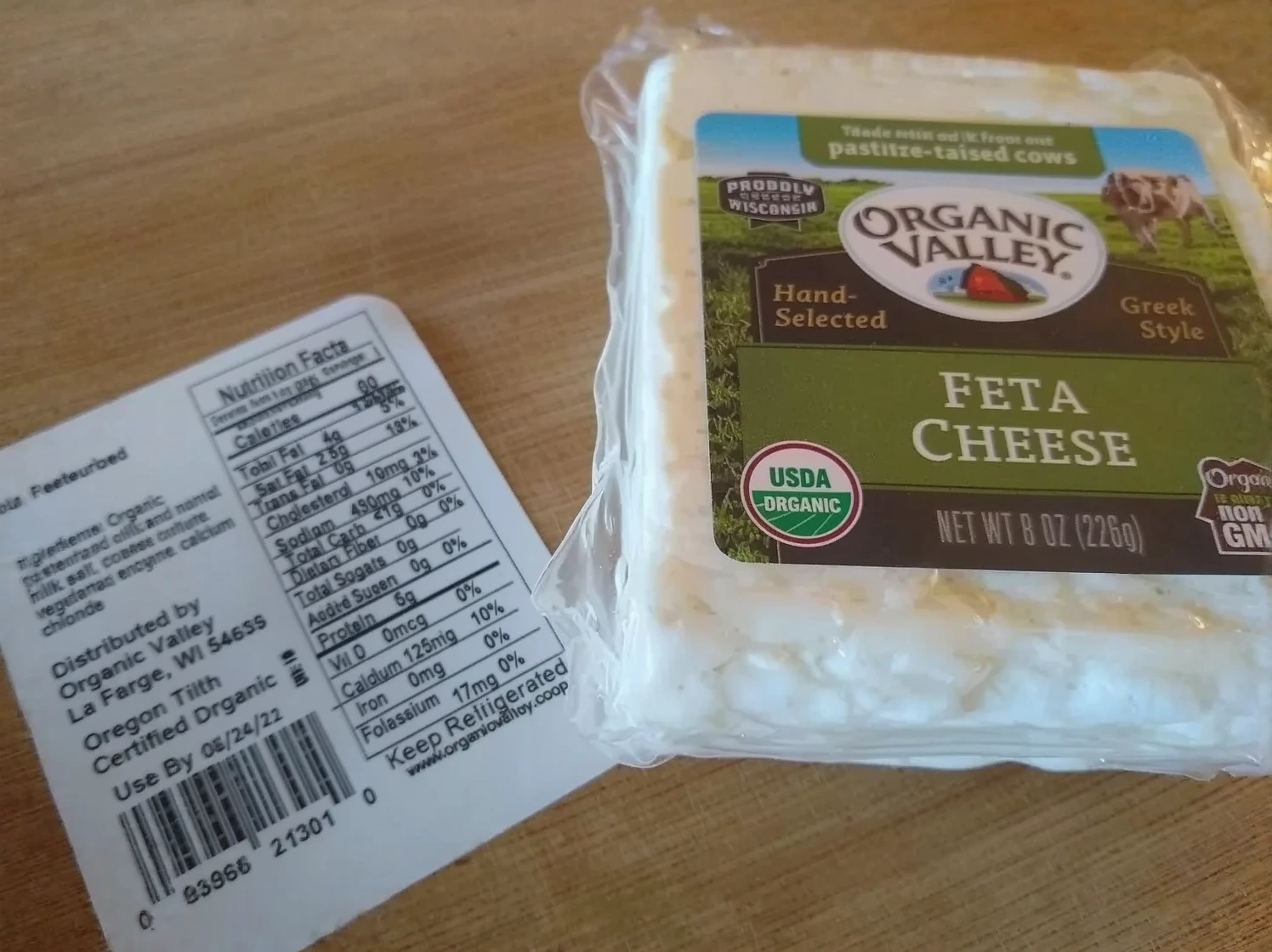
When I’m making this for a smaller group or a more intentional gathering and I want to spend a little more, I reach for the Organic Valley Ricotta Cheese — Whole Milk — Organic. It’s pasture-raised, non-GMO, and the flavor is noticeably more complex — a little more grassy and less sharp than conventional feta. The difference in the final dip is subtle but real, especially if you’re going with a simpler topping where the feta has nowhere to hide.
One honest caveat: avoid pre-crumbled feta entirely for this recipe. I know it’s more convenient. I’ve tried it in a pinch. It doesn’t whip the same way — the anti-caking agents and lower moisture content mean you get a dip that’s slightly gritty no matter how long you process it. Block feta only.
Why Isn’t My Whipped Feta Smooth? (How to Fix a Grainy Dip)
This is the question I get more than any other. If you’re making a whipped feta dip and it’s not creamy enough, one of five things is almost always the culprit — and every single one is fixable.
- Your feta is too cold. Fridge-cold cheese fights the blade and seizes into little pebbles instead of smoothing out. Let the feta (and the cream cheese) sit at room temperature for 20 to 30 minutes before you whip it.
- You’re not blending long enough. This is the big one. Most people stop at 60 seconds while the dip is still crumbly and assume it failed. Keep going — three to four full minutes, stopping to scrape down the sides a few times. Whipped feta almost always smooths out if you simply outlast it.
- It needs a little liquid. If it’s still stiff or grainy after a good long blend, add liquid gradually with the machine running — a slow drizzle of olive oil, a spoonful of Greek yogurt, a squeeze of lemon juice, or even a splash of water. One tablespoon at a time; you can always add more.
- You started with pre-crumbled feta. As I said above, block feta packed in brine is non-negotiable here. Pre-crumbled feta is drier and coated in anti-caking agents, and it stays slightly gritty no matter how long you run the processor.
- You’re mixing by hand. A fork or whisk simply can’t break down feta’s curds. A food processor or blender is what creates that light, mousse-like texture — hand-mixing gets you seasoned crumbles, not whipped feta.
Nine times out of ten, the fix is patience plus a slow drizzle of olive oil. The dip will get there — feta just takes longer to whip smooth than you’d expect.
How to Make It Ahead and Transport It
This is where whipped feta really shines as a party dip. You can make it up to three days ahead and store it in an airtight container in the refrigerator. The flavor actually deepens after a day.
For transport, I keep the toppings separate and add them at the destination. The base dip travels in a sealed container, the olive oil in a small jar, and any delicate herbs in a zip bag. This has never failed me across dozens of parties.
At room temperature, the dip holds well for about two hours without any quality issues. Beyond that, the texture starts to soften slightly — it’s still safe and edible, but the mousse-like consistency you worked for starts to fade. If you’re at an outdoor event in summer heat, I’d pull it at 90 minutes to be safe.
What to Serve It With
Warm pita is the obvious answer and it’s obvious for a reason — the contrast in temperature and texture is perfect. But don’t overlook sturdy crackers, cucumber slices, endive leaves, and radishes. For a more substantial spread, I’ll put out toasted sourdough alongside it. The whipped feta also works exceptionally well as a sandwich spread or a base for grain bowls, which means any leftovers (if you’re lucky enough to have them) don’t go to waste.
The Dip That Changed My Benchmark
After a decade-plus of bringing food to parties, I’ve learned that the dips people remember aren’t usually the most complicated ones. They’re the ones that taste like something specific, have a texture that surprises you, and pair well with whatever someone has in their hand at the time. Whipped feta dip does all three.
It also changed the way I think about familiar ingredients. Feta is something most people have eaten a hundred times. Whipping it — just that one change in technique — turns it into something people have never quite tasted before. That’s a lesson I’ve applied to a lot of recipes since. Sometimes the best version of an ingredient isn’t the most obvious one.
Make it once and you’ll understand why it’s become my most-requested recipe. Make it twice and you’ll stop showing up to parties empty-handed for good.
The One Tool That Keeps Honey From Turning This Dip Into a Mess
After 60-plus batches of this dip, I’ve learned that the way you drizzle honey on top matters just as much as the ratio of feta to cream. A regular spoon turns into a sticky mess, but this one tool lets you control exactly how much honey hits the bowl and keeps your hands—and your party table—clean.
What works
- The honey releases smoothly and in a thin, controlled stream—no globs or sudden dumps that pool unevenly.
- It’s the only way I’ve found to get that gorgeous golden swirl that actually looks intentional and impresses guests before they even taste it.
- Cleanup is genuinely easy—honey slides right off, and it doesn’t leave that sticky residue a regular spoon does.
What doesn’t
- It’s one more thing to wash, and if you’re packing dips to a party, it’s easy to forget it at home (I’ve done this).
- The handle can feel a little flimsy if you’re impatient—rushing the pour defeats the whole purpose.
I once showed up to a potluck without it and tried to recreate that honey drizzle with a regular teaspoon, and the whole top of the dip looked chaotic and amateurish. honey dipper stick

About This Article

Written by Rachel Thompson. Rachel Thompson is a home cook who has spent over 10 years making an unreasonable number of dips, appetizers, and party spreads — no culinary training, just a decade of trial and error and a reputation among friends for always being asked to "bring a dip." She focuses on approachable recipes that combine bold flavors with simple techniques, making entertaining at home accessible to everyone. More about this site.
Scope and limits. Rachel is a home cook with no culinary training. Follow current food safety guidance for holding temperatures and time limits whenever you are serving people other than yourself.
Verify this against a primary source
Specifics change, and your situation may differ from the one described here. These are the authorities worth checking directly:
- FoodSafety.gov — cold holding, hot holding and the two-hour rule
- USDA FoodData Central — ingredient composition and nutrition data
- USDA Food Safety and Inspection Service — safe minimum temperatures and leftovers