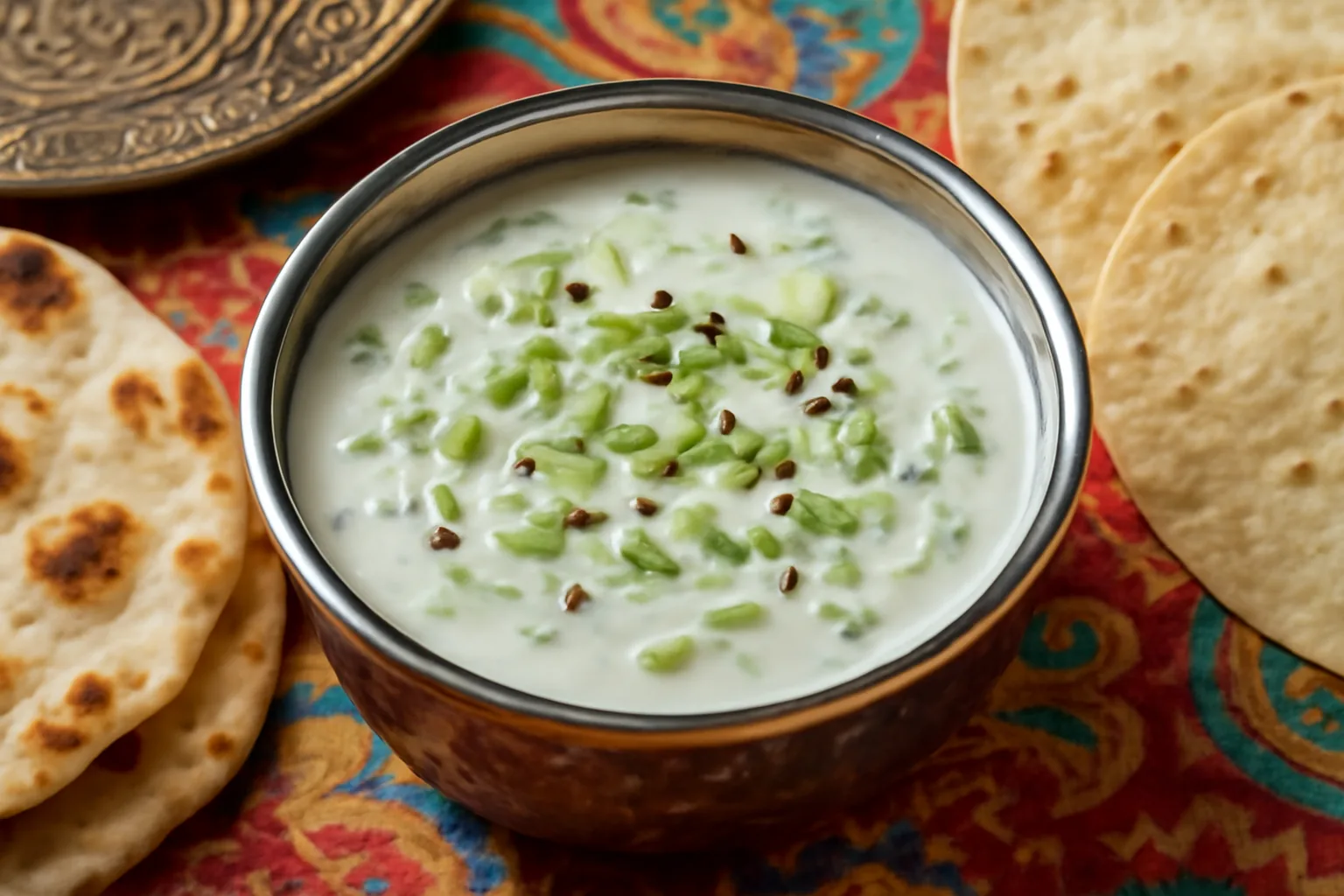

The first time I made a raita recipe Indian yogurt dip from scratch, I was completely desperate. My husband had talked up his mom’s lamb biryani to our entire friend group, and I had volunteered to handle the sides. I had never made raita before. Twenty minutes before everyone arrived, I was standing in my kitchen frantically Googling “what even goes in raita.” That night, I threw together yogurt, cucumber, cumin, and a whisper of mint — and it was gone before the biryani was even half finished.
Our friend Marcus literally scraped the bowl. He asked me twice if I had “bought it somewhere fancy.” That moment hooked me completely. Here was a dip that required almost no cooking, cost almost nothing to make, and genuinely saved everyone’s mouth from the heat of the biryani. Since then, I’ve made raita well over a hundred times — for dinner parties, Diwali celebrations with neighbors, casual weeknight meals, and potlucks where I needed something cool and impressive fast.
Over those hundred-plus batches, I’ve learned exactly what separates a watery, bland raita from one that’s creamy, bright, and deeply flavorful. The difference is almost entirely in technique and spice quality. I’m sharing everything I know right here.
Why This Raita Recipe Indian Yogurt Dip Works Better Than Most
- Straining the yogurt is non-negotiable. Standard American yogurt has too much liquid. Straining it for even 20 minutes gives you a thick, creamy base that clings to food instead of pooling at the bottom of the bowl. Greek yogurt shortcuts this step beautifully.
- Salting the cucumber first draws out excess water. This is the step most recipes skip — and it’s the reason their raita turns soupy by the time it hits the table. Salt pulls the moisture out before it ever reaches your yogurt base.
- Toasting whole cumin seeds before grinding transforms the flavor. Raw ground cumin tastes flat and dusty. Thirty seconds in a dry pan unlocks a nutty, smoky depth that makes people ask what your secret ingredient is. In my experience, this single step elevates the entire dip.
- Fresh mint AND dried cumin powder together create the balance. Fresh herbs give brightness. Warm spices give depth. Using both is the key to a raita that tastes layered rather than one-dimensional.
The Recipe: Cucumber Raita
Ingredients
- 2 cups whole-milk yogurt
- 1 large cucumber, grated
- 1 teaspoon cumin seeds
- ½ teaspoon salt
- ¼ teaspoon black pepper
- 2 tablespoons chopped cilantro
- 2 tablespoons chopped mint
- ¼ teaspoon cayenne, to finish
Recipe Details
- Makes: about 2 cups
- Time: 15 minutes, plus straining
Instructions
- Strain the yogurt through a sieve lined with muslin for 30 minutes. This is the step most recipes skip and the reason most raita is thin.
- Grate the cucumber, salt it lightly, and let it sit 10 minutes, then squeeze it dry in a clean towel.
- Toast the cumin seeds in a dry pan until fragrant, about 45 seconds, then crush them coarsely. Whole toasted seeds taste completely different to ground cumin from a jar.
- Stir the strained yogurt with the cumin, salt, and pepper.
- Fold in the cucumber, cilantro, and mint.
- Chill 30 minutes and finish with a pinch of cayenne.
The Spice Set That Finally Makes Raita Taste Like It Should
Raita lives or dies by its spices — and that panicked Google search taught me that grabbing whatever’s in your cabinet won’t cut it. A good ground spice set means you’re not mixing stale cumin from three years ago with fresh coriander, which makes all the difference between “fine” and “wow, that’s actually restaurant-quality.”
What works
- The ground spices are actually fresh and aromatic — you can smell the difference the moment you open the jar, and guests notice it in the finished dip.
- Having cumin, coriander, and chili powder all ready to go means you can throw raita together in under 10 minutes instead of hunting through your spice rack.
- The portions are perfect for a single batch of raita — you’re not using a pinch from a bulk container and wondering how old it really is.
What doesn’t
- The jars take up real drawer space, and if you’re not making raita regularly, those spices will eventually lose their punch.
- It’s more expensive upfront than buying bulk spices, which stings if you’re on a tight budget for a single dip.
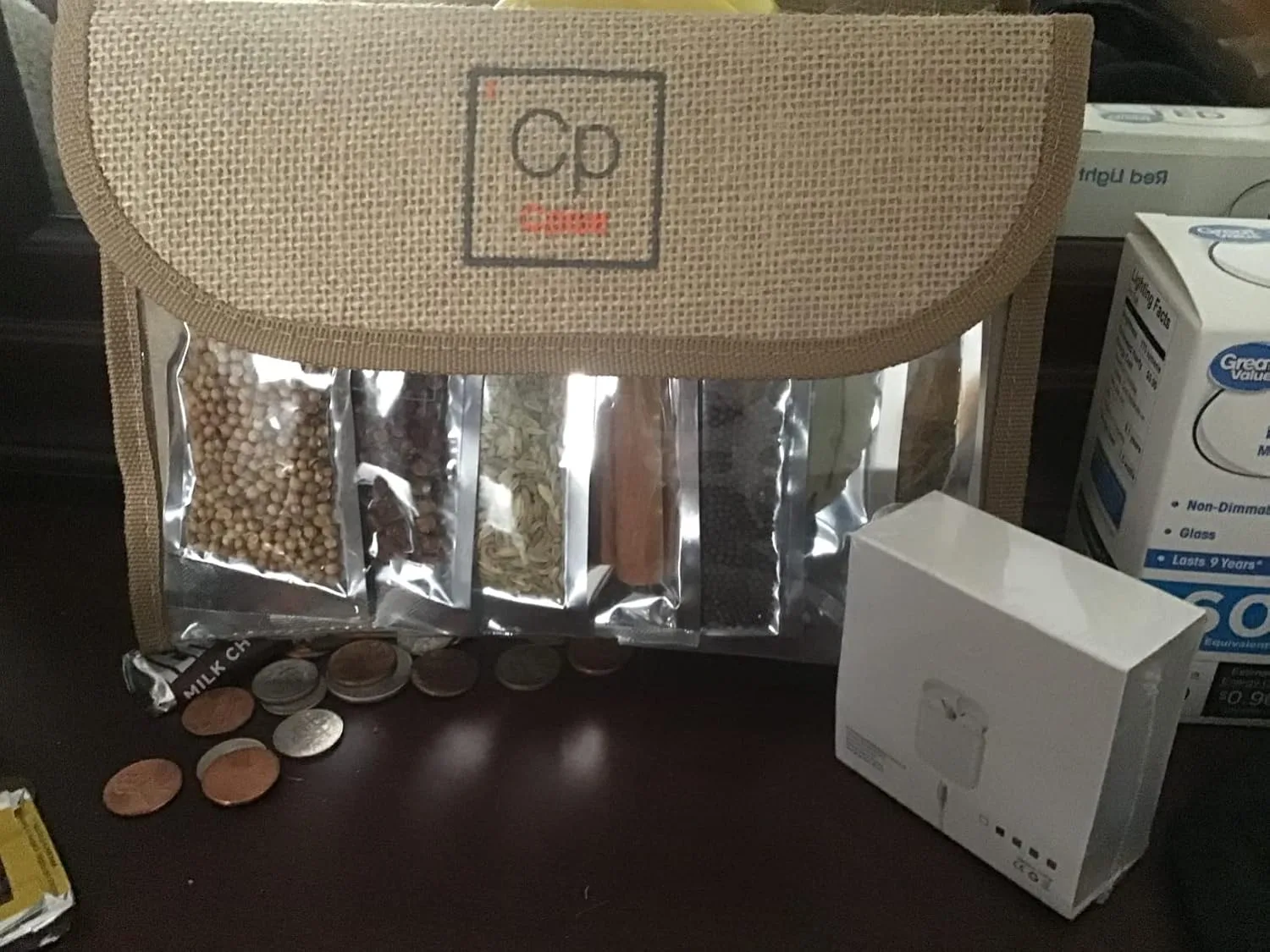
That night before the biryani dinner, I grabbed whatever cardamom and cumin I could find in my spice cabinet, and the raita tasted flat and tired — totally forgettable alongside my husband’s mom’s masterpiece. Having fresh, quality spices on hand means you’ll never again serve raita that feels like an afterthought. Grab the Spice & Seasoning Set — Ground Whole Indian Spices and actually impress people.
Raita, Raja, or Rayta? Clearing Up the Name
If you’ve been searching for “raja Indian yogurt dip” or spelling it as “rayta” or “raitha,” you’re not alone. The Indian yogurt dip is actually called raita, pronounced RY-tah, and it comes from Hindi. The confusion usually starts with autocorrect or the way it sounds when spoken quickly. Raja, by the way, means “king” in Hindi—a completely different word that autocorrect loves to suggest when you’re typing raita on your phone.
Other common spellings you’ll see: raitha, rayta, and riata. None of them are technically wrong in the way food evolves across languages and transliteration, but raita is the most widely recognized spelling in English-language recipes and restaurants.
Now, if you’ve heard of tzatziki (the Greek yogurt dip) or laban and khyar bi laban (Middle Eastern versions), you might wonder what sets raita apart. Tzatziki is built on garlic and dill, with a smooth, thick consistency that clings heavily to food. Raita skips the garlic entirely and uses fresh mint and ground cumin instead—flavors that are warming rather than sharp. Raita also tends to be thinner, pourable, and designed to cool your mouth rather than coat it. They’re cousins in spirit, but the spice profiles and textures are distinctly different.
The Six Raitas Worth Knowing
Once you’ve mastered the basic cucumber raita, the variations open up. Each one has a purpose at the table, and knowing them means you can match raita to whatever curry or bread you’re serving. Here are the ones I return to again and again.
Kheera Raita (Cucumber)
This is the raita you already know. Strained yogurt, salted cucumber, cumin, mint, and a pinch of chili powder. The workhorse. Serves every meal and offends no one.
Boondi Raita
Boondi are tiny, crispy pearls made from chickpea flour batter. They soften slightly in the yogurt but stay textured and slightly crunchy. Add them just before serving so they don’t turn mushy. Same spices as cucumber raita. The crunch is addictive.
Pudina Raita (Mint)
This one is mint-forward. Use a full handful of fresh mint, grind some of it into a paste, and fold it through the yogurt. Cumin stays, but mint becomes the star. Brightest of all the raitas, especially good with heavy meat dishes.
Anaar Raita (Pomegranate)
Fold pomegranate arils (the seeds) into your base raita just before serving. They add sweetness, tartness, and jewel-like color. Cumin and mint stay the same. It looks restaurant-quality and tastes like celebration.
Burani Raita
This is the outlier—a Hyderabadi preparation that breaks the rules by using lots of garlic, usually cooked down in ghee before mixing into the yogurt. It’s richer, more assertive, and less about cooling and more about flavor complexity. Serve it with biryanis if you want something bolder.
Mixed Vegetable Raita
Dice cucumber, tomato, carrot, and bell pepper. Salt them separately, let them drain, then fold them in. Add roasted cumin seeds and fresh cilantro. This is raita that becomes a side dish rather than just a cooling condiment.
Which Raita Belongs With What
| Raita | Pairs With | Why |
|---|---|---|
| Kheera (Cucumber) | Biryani, pulao, parathas | The blank canvas raita. Cool, mild, won’t compete with fragrant rice or spiced bread. |
| Boondi | Tandoori meats, kebabs, dal | The crunch and mild chickpea flavor bridge bread and protein without adding heat. |
| Pudina (Mint) | Vindaloo, jalfrezi, any chile-heavy curry | Extra mint amplifies the cooling effect. It fights heat better than the basic version. |
| Anaar (Pomegranate) | Biryani, kebabs, special occasion meals | Looks fancy, adds subtle sweetness. Serve alongside, not underneath—you want those arils to shine. |
| Burani | Biryani (especially Hyderabadi), rich meat curries | The garlic depth matches bold, aromatic dishes. Skip lighter meals; this raita demands respect. |
| Mixed Vegetable | Simple curries, dal, rice bowls | Becomes a side dish in its own right. Textured enough that it can anchor the plate without another vegetable. |
Raita Questions Answered
What is the Indian yogurt dip called?
It’s raita. Pronounced RY-tah. If you’ve been saying it differently or typing “raja” into search, you’re in good company—but raita is the correct name for this yogurt dip. It comes from Hindi and is standard across Indian restaurants and home kitchens. Common misspellings include rayta, raitha, and riata, but raita is what you’ll find in most cookbooks and menus.
Is raita the same as tzatziki?
No, though they’re related. Both are yogurt dips meant to cool the mouth, but they’re built on different spice traditions. Tzatziki is Greek and centers on fresh garlic and dill, with a thicker, more clinging texture. Raita is Indian and uses cumin, fresh mint, and sometimes chili powder, staying thinner and lighter. If you’ve had tzatziki, think of raita as the warmer, more aromatic cousin. They’re not interchangeable—serve each with its own cuisine.
What yogurt should I use for raita?
Full-fat plain whole-milk yogurt or traditional dahi is the gold standard. It has enough body to hold the cumin and mint without tasting thin or chalky. If you’re using Greek yogurt, thin it with two to three tablespoons of milk or water per cup of yogurt—Greek yogurt is so thick it can feel pasty in raita. Skip nonfat yogurt entirely; it has a grainy, chalky texture that no amount of straining will fix. The fat in the yogurt matters. It’s what makes raita feel luxurious and creamy instead of lean and sad.
About This Article

Written by Rachel Thompson. Rachel Thompson is a home cook who has spent over 10 years making an unreasonable number of dips, appetizers, and party spreads — no culinary training, just a decade of trial and error and a reputation among friends for always being asked to "bring a dip." She focuses on approachable recipes that combine bold flavors with simple techniques, making entertaining at home accessible to everyone. More about this site.
Scope and limits. Rachel is a home cook with no culinary training. Follow current food safety guidance for holding temperatures and time limits whenever you are serving people other than yourself.
Verify this against a primary source
Specifics change, and your situation may differ from the one described here. These are the authorities worth checking directly:
- FoodSafety.gov — cold holding, hot holding and the two-hour rule
- USDA FoodData Central — ingredient composition and nutrition data
- USDA Food Safety and Inspection Service — safe minimum temperatures and leftovers