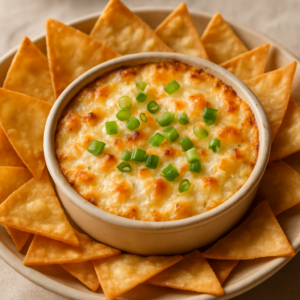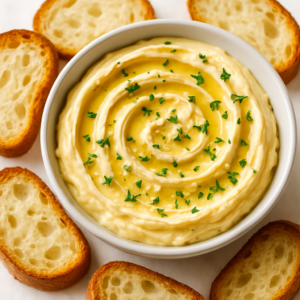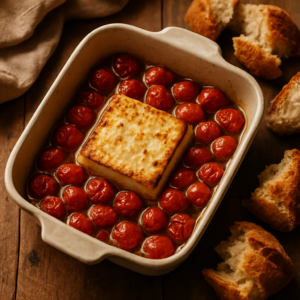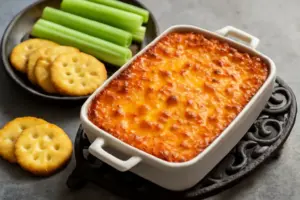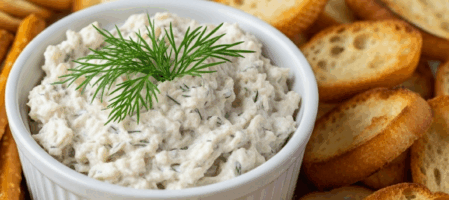

It was Super Bowl Sunday, forty-five minutes before kickoff, and my queso had broken. Completely, embarrassingly, grease-pooling-on-top broken. My friends were pulling into the driveway. The chips were already in the bowl. I was standing over a pot of what looked like oily, grainy sadness, desperately whisking and whispering apologies to no one. That moment — that specific, humiliating moment — is exactly what sent me down the rabbit hole of Food Lab cookbook queso science.
I’ve been the “dip person” in my friend group for years. Someone always brings a veggie tray. Someone else brings a cheese board. I bring the dips — plural, always plural. Queso, spinach artichoke, baba ganoush, guacamole. You name it, I’ve probably shown up to a party with it in a slow cooker.
But queso was always my white whale. Sometimes it came out perfectly silky. Other times, total disaster. No consistency, no understanding of why. After that Super Bowl meltdown, I decided I needed to stop guessing and actually learn the science.
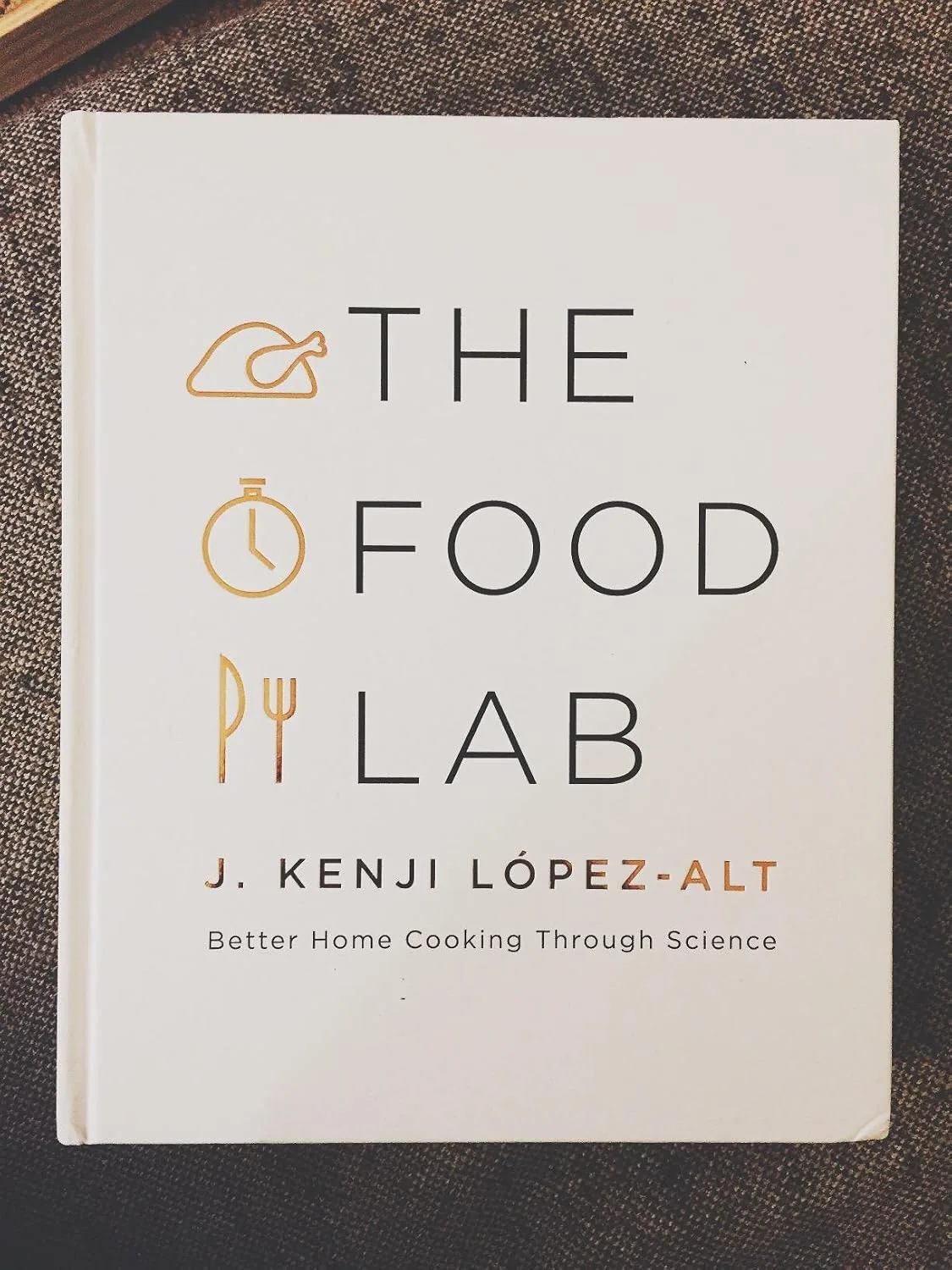
Why I Chose The Food Lab: Better Home Cooking Through Science
I started, naturally, by asking the internet. That led me to forums, food blogs, and eventually one name that kept appearing over and over: J. Kenji López-Alt. Specifically, his book The Food Lab: Better Home Cooking Through Science.
Three different people in a home cooking Facebook group recommended it within the same week. One of them specifically mentioned that it changed how she thought about melting cheese. That was all I needed to hear.
I also looked at a few other options. Cookbooks focused on Tex-Mex cuisine came up. However, none of them seemed to explain the “why” behind the techniques. I needed root-cause answers, not just another recipe to follow blindly.
On the other hand, some friends suggested I just switch to Velveeta and call it a day. Respectfully, no. I wanted to make queso with real cheese that actually stayed creamy. That goal pointed me directly back to The Food Lab: Better Home Cooking Through Science.
First Impressions: This Book Is an Absolute Unit
When the package arrived, I genuinely thought Amazon had sent me something extra. The box was heavy. Opening it felt ceremonial, honestly.
The book itself is enormous — nearly 1,000 pages, hardcover, with a thick spine that means business. It’s the kind of cookbook that lives on the counter, not the shelf. The photography is stunning. Every other page seems to have a gorgeous, close-up food photo that makes you want to drop everything and cook.
The layout is clean and well-organized. Each chapter opens with a deep-dive essay explaining the food science behind what you’re about to cook. Specifically, these essays are what set this book apart from every other cookbook I own. They read like a curious friend explaining things over coffee — not a textbook.
My only first-impression gripe? It’s not exactly a “flip through while cooking” book. The size makes it slightly awkward to prop open on a counter. That said, I quickly developed a system involving a wooden spoon and a bowl to keep it open. Problem solved.
Food Lab Cookbook Queso Science: Putting It to the Test
I dove into the cheese section first. Obviously. Kenji’s explanation of why cheese breaks — the proteins seizing up, the fat separating when overheated — was genuinely eye-opening. For the first time, I understood what had gone wrong on Super Bowl Sunday.
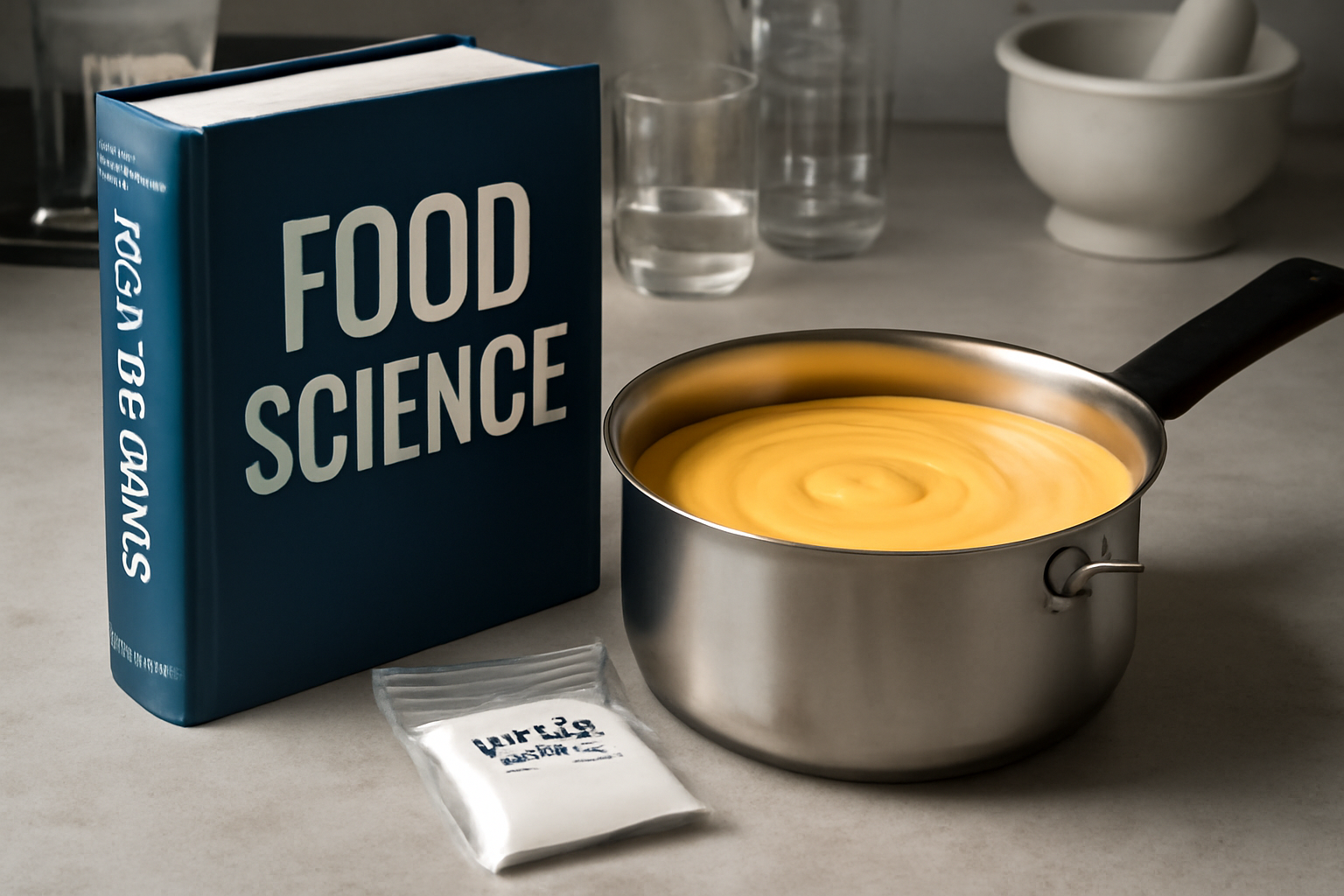
The key, it turns out, involves sodium citrate. This emulsifying salt keeps cheese proteins from clumping. It essentially does what processed cheese does chemically, but with real, good cheese. Mind. Blown.
The Queso Test (Round One)
My first test was a classic queso for a group of about twelve people. I used sharp cheddar and Monterey Jack, following Kenji’s sodium citrate method. The target temperature was low and slow — around 150°F, keeping things gentle.
The result was silky, glossy, and perfect. It held its texture for two hours in a small slow cooker. Not a single greasy puddle in sight. I nearly cried. Honestly, I might have cried a little.
Over the next two months, I made that queso five more times. Parties, game nights, one very indulgent Tuesday. Each time, consistent results. That consistency alone was worth the price of the book.
Beyond Queso: Testing Other Dips
Naturally, I couldn’t stop there. The book’s sections on emulsification and protein behavior changed how I approached every creamy dip in my arsenal.
My spinach artichoke dip improved dramatically. Previously, it got watery and separated after sitting out. Understanding how to properly drain and press ingredients — something Kenji explains in the vegetable chapters — eliminated that problem entirely.
Hummus was another revelation. The book’s section on achieving ultra-smooth hummus (hint: it involves peeling the chickpeas and blending while still warm) produced results I previously only experienced at restaurants. My guests thought I’d bought it somewhere fancy. I did not correct them.
Even my guacamole leveled up. The book’s discussion of oxidation helped me understand exactly why guacamole browns — and how to slow it down without drowning everything in lime juice. For example, pressing plastic wrap directly against the surface works far better than I’d expected.
Baba ganoush also benefited. Learning proper char technique for eggplant made the smokiness deeper and more authentic. Small detail, massive difference in flavor.
The Book That Finally Explained Why My Queso Broke
After that Super Bowl disaster, I realized I wasn’t just making a bad queso — I was making it *wrong*, without understanding the actual science of why cheese breaks. This book is what finally showed me the why behind the how, and it completely changed how I approach every creamy, stretchy dip I make.
What works
- The explanations of emulsification and cheese protein structure are written for home cooks, not food scientists — suddenly the graininess and oil separation that plagued my early batches made actual sense.
- Once you understand the science, you stop guessing and fiddling; you *know* exactly what temperature matters, why milk solids are crucial, and what happens when you overheat cheese.
- The recipes are tested rigorously, and Kenji’s voice is honest about what he tried first that failed — it feels like a friend who’s already made your mistakes is walking you through the fix.
What doesn’t
- It’s a big, heavy book covering way more than just dips — if you’re looking for a quick queso recipe card, you’re going to get a deep dive into food science instead.
- The kitchen experiments mentioned throughout require some willingness to slow down and actually *read* — this isn’t a skim-the-recipe kind of resource.
Standing over that pot of broken queso with my friends pulling into the driveway, I knew something had to change — and it did the moment I understood what I’d been doing wrong. The Food Lab: Better Home Cooking Through Science turned my biggest kitchen shame into my most confident dip.
About This Article

Written by Rachel Thompson. Rachel Thompson is a home cook who has spent over 10 years making an unreasonable number of dips, appetizers, and party spreads — no culinary training, just a decade of trial and error and a reputation among friends for always being asked to "bring a dip." She focuses on approachable recipes that combine bold flavors with simple techniques, making entertaining at home accessible to everyone. More about this site.
Scope and limits. Rachel is a home cook with no culinary training. Follow current food safety guidance for holding temperatures and time limits whenever you are serving people other than yourself.
Verify this against a primary source
Specifics change, and your situation may differ from the one described here. These are the authorities worth checking directly:
- FoodSafety.gov — cold holding, hot holding and the two-hour rule
- USDA FoodData Central — ingredient composition and nutrition data
- USDA Food Safety and Inspection Service — safe minimum temperatures and leftovers