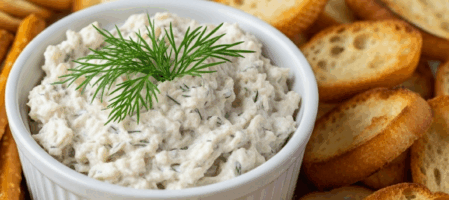
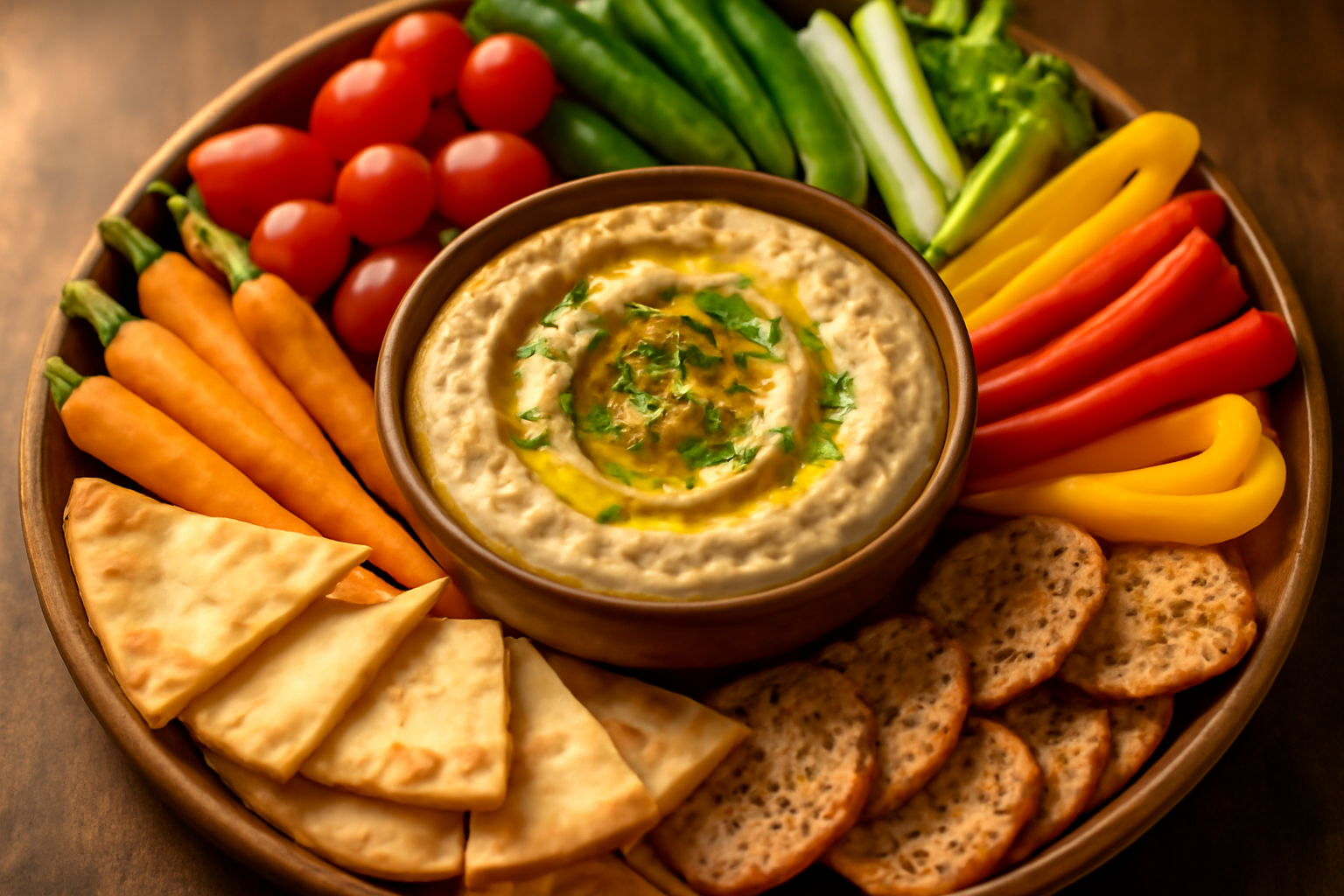

I have been bringing dips to parties for over a decade. Hummus, tzatziki, whipped feta, spinach artichoke — I have cycled through them all. But there is one dip that has never left my rotation, not once in ten years. It is the one people ask me about every single time. It is the one that disappears before I even get a chance to set it down properly. It is baba ganoush, and I have been making the same version of it since 2014.
I want to be honest with you about something upfront: baba ganoush has a reputation problem. People either love it or they have had a bad version and written it off entirely. The bad versions are gluey, bitter, or — worst of all — they taste like sad, watery eggplant with no depth. If that has been your experience, I understand your skepticism. But the difference between mediocre baba ganoush and the kind people scrape the bowl clean for comes down to a few very specific techniques, and I am going to walk you through all of them.
Why Baba Ganoush Belongs at Every Gathering
Before I get into the recipe, let me make the case for baba ganoush as a party dip. It checks every box I care about as someone who has ferried hundreds of dips across town in the passenger seat of my car.
- It travels beautifully. Unlike warm dips that need to stay hot or dairy-based dips that need to stay cold, baba ganoush is genuinely happy at room temperature for a couple of hours.
- It feeds a crowd on a budget. Two large eggplants, good tahini, a lemon, and pantry staples will serve eight to ten people as part of a spread.
- It is naturally vegan and gluten-free. I have brought this to gatherings with guests who have a dozen different dietary restrictions, and it has never caused a problem.
- It gets better as it sits. Make it the night before and the flavors deepen overnight in the fridge. This is genuinely ideal for party prep.
The One Thing That Makes or Breaks This Baba Ganoush Recipe
I am going to say this clearly because it took me an embarrassingly long time to fully commit to it: you have to char the eggplant directly over an open flame. Not in the oven. Not under the broiler as a first step. Over the actual flame on your gas burner, or on a very hot charcoal grill.
The smoky flavor in great baba ganoush is not a spice you add. It is not smoked paprika stirred in at the end (though I do add a pinch of that too). It comes from the eggplant skin burning and that smoke penetrating the flesh while it collapses. The first five or six times I made this recipe, I was doing it in the oven. It was fine. Then a friend who grew up eating baba ganoush at her Lebanese grandmother’s table watched me make it and gently suggested I try it over the burner. The difference was not subtle. It was transformative.
If you have an electric stove, use your broiler with the oven door cracked, and place the eggplant as close to the broiler element as possible. You will get some char, though I want to be honest: it will not be quite the same. The open flame version has a depth the broiler simply cannot fully replicate. This is the one caveat I will always give — if you are working without a gas burner or a grill, the dip will still be good, but it will not be the version that clears a bowl in ten minutes.
The Full Baba Ganoush Recipe
Ingredients
- 2 large globe eggplants (about 2 pounds total)
- 3 tablespoons good-quality tahini
- 2 tablespoons fresh lemon juice (roughly one large lemon)
- 2 cloves garlic, finely minced or grated on a microplane
- ½ teaspoon kosher salt, plus more to taste
- ¼ teaspoon smoked paprika
- 2 tablespoons good olive oil, plus more for drizzling to serve
- Optional: a small handful of fresh flat-leaf parsley, chopped
Instructions
Step 1: Char the eggplant. Place both eggplants directly on the grates of a gas burner set to medium-high. Using tongs, turn them every four to five minutes as each side chars and collapses. This takes about 20 minutes total. You want the skin almost entirely blackened and the eggplant completely soft and deflated. Do not rush this step.
Step 2: Steam and drain. Transfer the charred eggplants to a colander set in the sink and let them rest for at least 15 minutes. This step is critical. As they cool, they release a significant amount of liquid — and that liquid is bitter. I usually poke a few holes in the skin with a knife at this point to help it drain faster. Some people cut the eggplant lengthwise and let it drain flesh-side down. Both methods work. Just do not skip the draining.
Step 3: Peel and scrape. Once the eggplants are cool enough to handle, peel away the charred skin. You will find it comes off easily. Scrape the soft flesh onto a cutting board. Discard as much of the liquid as you can.
Step 4: Chop, do not blend. This is another technique call that matters. I chop the eggplant flesh roughly with a knife rather than processing it in a food processor. You want some texture — a slightly chunky, rustic dip rather than a smooth paste. If you blend it, you will get something closer in texture to hummus, and the dip loses the character that makes it interesting.
Step 5: Mix and taste. Transfer the chopped eggplant to a bowl. Add the tahini, lemon juice, garlic, salt, and smoked paprika. Stir to combine. Taste and adjust — more lemon if it needs brightness, more salt if it falls flat, more tahini if it needs richness. Drizzle in the olive oil and stir once more.
Step 6: Rest before serving. Cover the bowl and let it rest in the refrigerator for at least one hour. Overnight is better. Serve at room temperature with a drizzle of olive oil, a sprinkle of smoked paprika, and chopped parsley if you like.
What I Serve It With
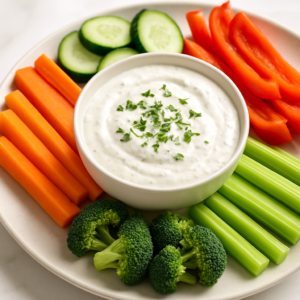
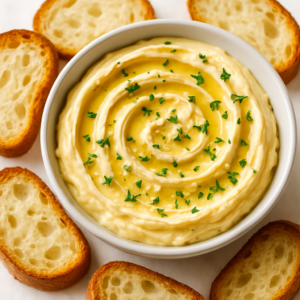
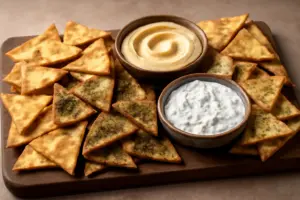
Warm pita is the classic pairing and it is a classic for good reason. But I have also served this baba ganoush with sliced cucumber, radishes, bell pepper strips, and sturdy crackers when I am building a full mezze-style spread. It holds its own next to hummus without getting lost — they are different enough in flavor and texture that putting both on the table makes complete sense.
For casual weeknights, I have eaten it straight from the bowl with a spoon. I have no regrets about this.
A Few Final Notes from Ten Years of Making This
Do not buy the skinny Italian eggplants for this recipe. Globe eggplants — the large, rounded, deep purple variety — have the right flesh-to-skin ratio and char more evenly. Buy the biggest ones you can find.
Do not skip the draining step. I have tested this more times than I care to count. The version that drains for fifteen to twenty minutes is noticeably better than the version that did not.
And do not be discouraged if your first attempt is just good and not great. Baba ganoush is one of those recipes that rewards repetition. The second time you make it, you will have better instincts about when the eggplant is truly done, how much lemon it needs, and how long to let it rest. By the fourth or fifth time, you will be the person people are asking about at parties.
That is a good place to be. I highly recommend it.
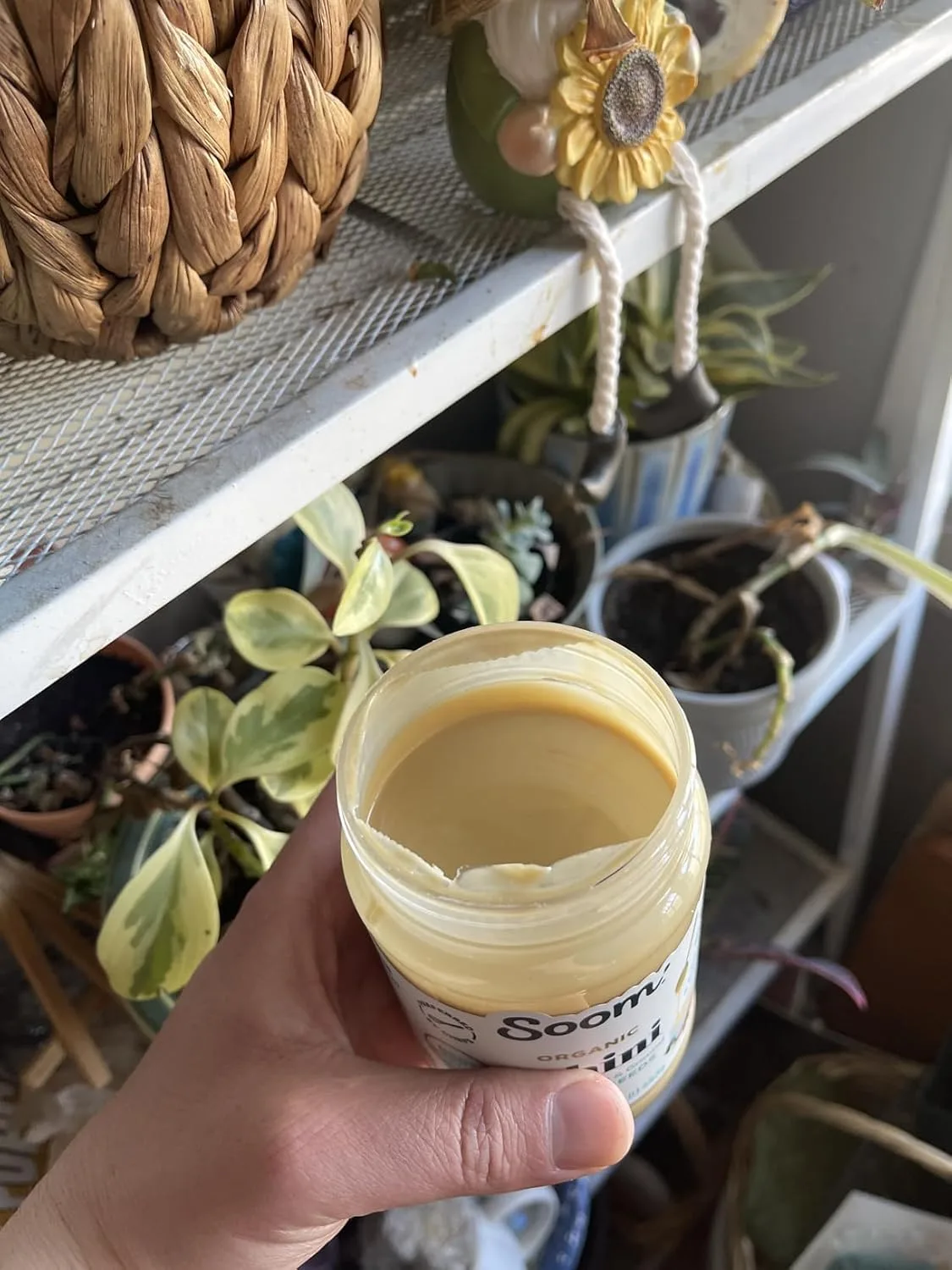
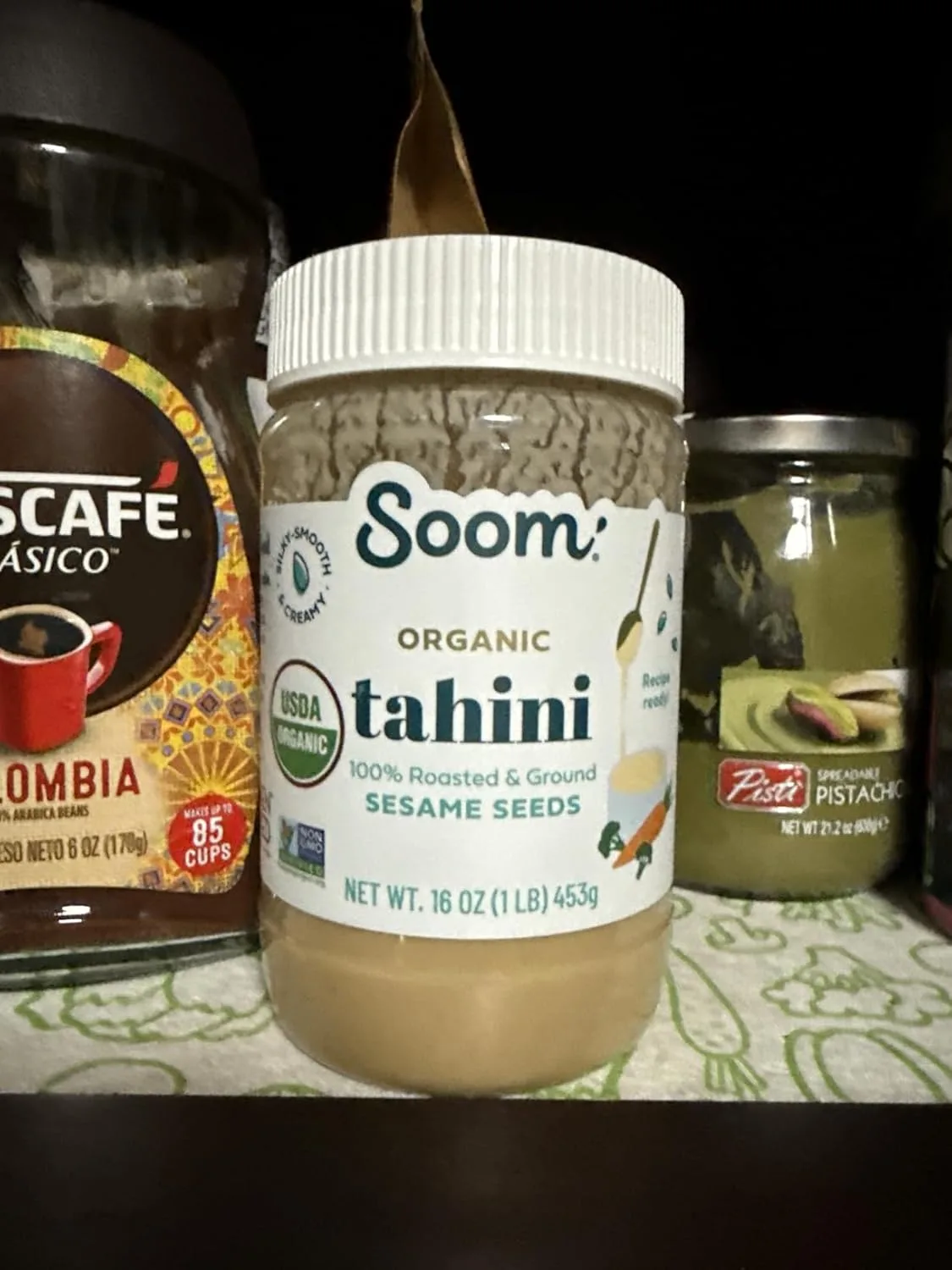
The Tahini That Finally Made My Baba Ganoush Silky Instead of Grainy
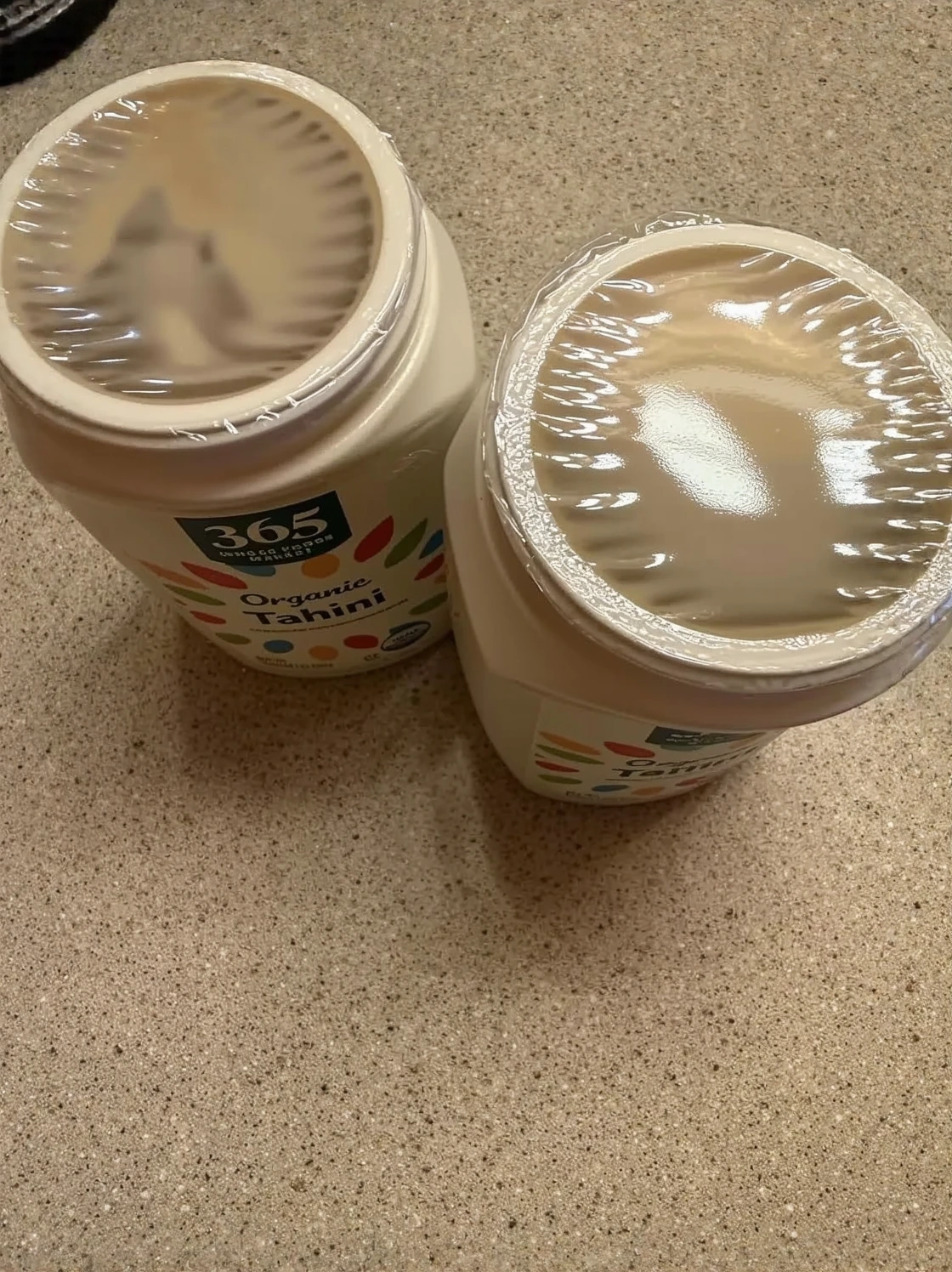
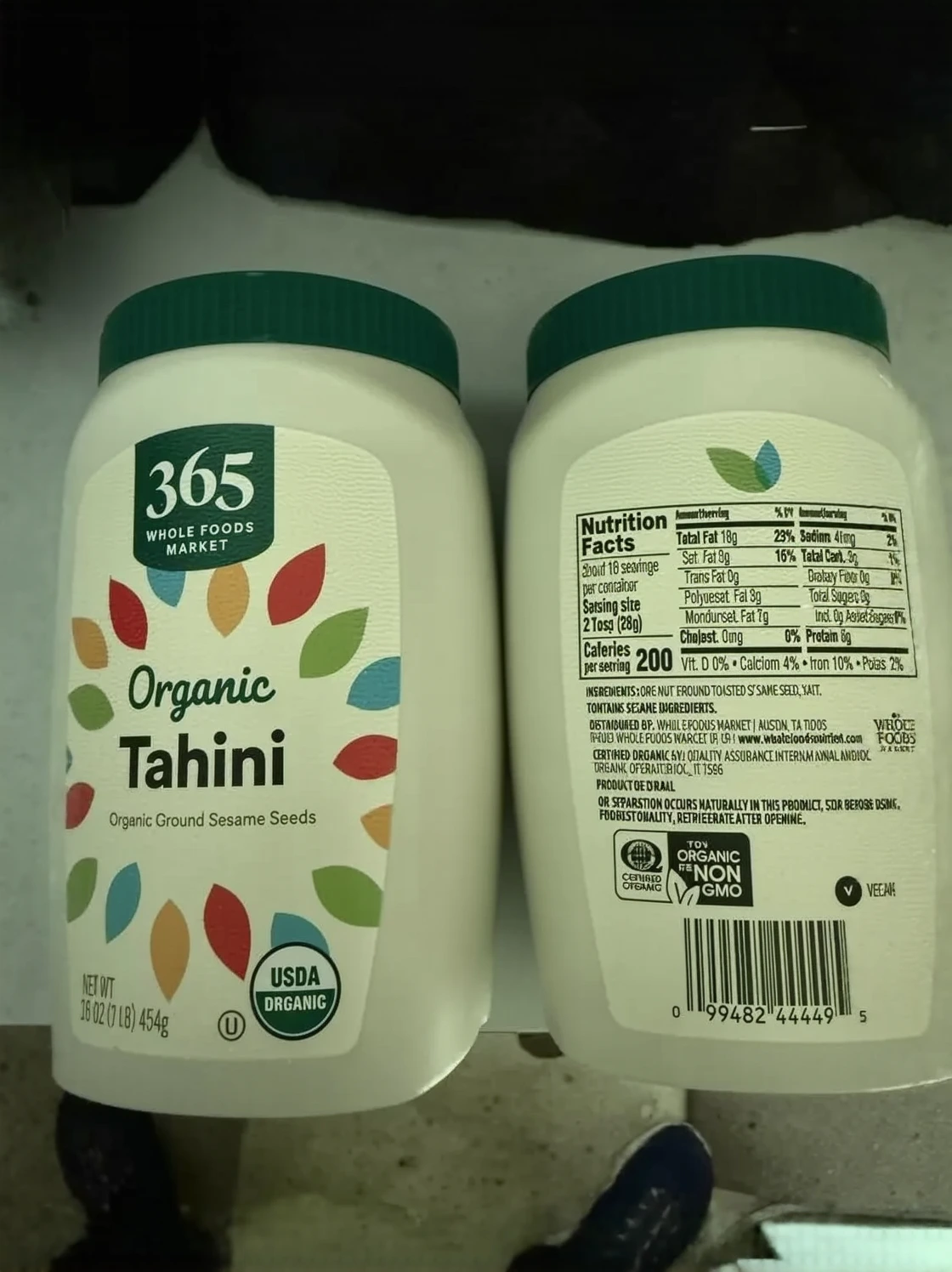
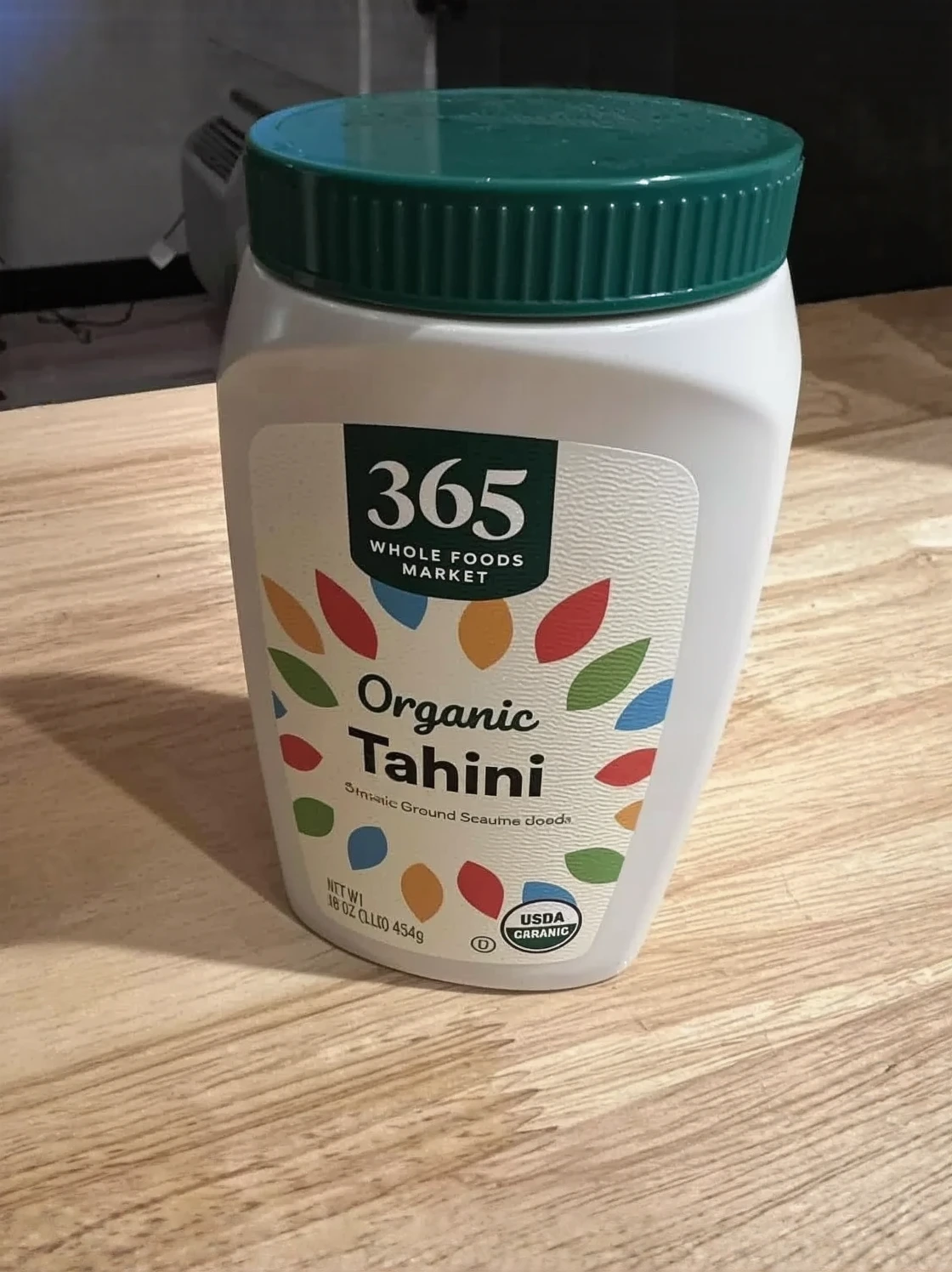
Baba ganoush lives or dies on tahini — and I learned this the hard way after years of batches that separated or turned chalky. The right tahini makes the difference between a dip that stays creamy for hours at a party and one that splits the moment you turn your back.
What works
- The sesame flavor is actually noticeable — it doesn’t get lost in the roasted eggplant, it enhances it.
- It blends into a genuinely smooth paste without that gritty texture that used to drive me crazy, even after sitting out for two hours.
- The consistency stays exactly where you want it — thick enough to hold a pita chip indent, not so thick it clogs the food processor.
What doesn’t
- It’s pricier than the bulk bin tahini, so if you’re making baba ganoush for a crowd on a tight budget, you’ll notice the line item.
- The jar is smaller than I’d like for the price, so if you’re making multiple batches back-to-back, you’ll run through it faster than expected.
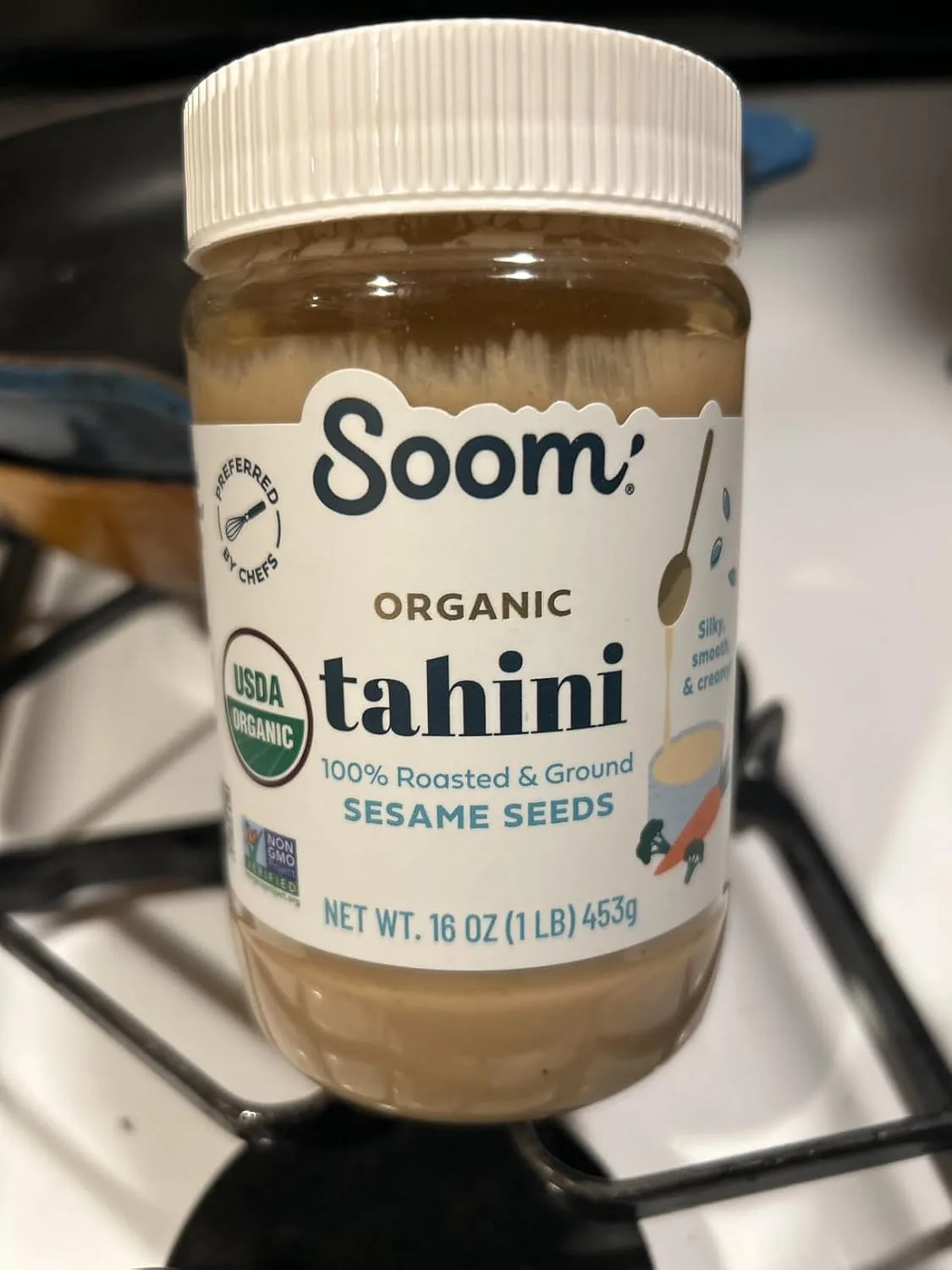
I remember one gathering where I opened a jar of cheaper tahini and the oil had separated so badly I almost scraped the whole batch — but that’s exactly when I switched to Soom Foods Organic Tahini, and I haven’t looked back since.
About This Article

Written by Rachel Thompson. Rachel Thompson is a home cook who has spent over 10 years making an unreasonable number of dips, appetizers, and party spreads — no culinary training, just a decade of trial and error and a reputation among friends for always being asked to "bring a dip." She focuses on approachable recipes that combine bold flavors with simple techniques, making entertaining at home accessible to everyone. More about this site.
Scope and limits. Rachel is a home cook with no culinary training. Follow current food safety guidance for holding temperatures and time limits whenever you are serving people other than yourself.
Verify this against a primary source
Specifics change, and your situation may differ from the one described here. These are the authorities worth checking directly:
- FoodSafety.gov — cold holding, hot holding and the two-hour rule
- USDA FoodData Central — ingredient composition and nutrition data
- USDA Food Safety and Inspection Service — safe minimum temperatures and leftovers