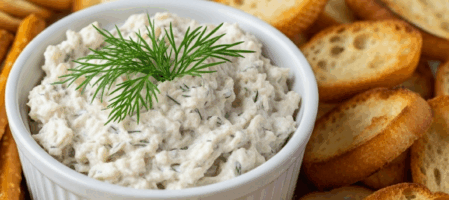
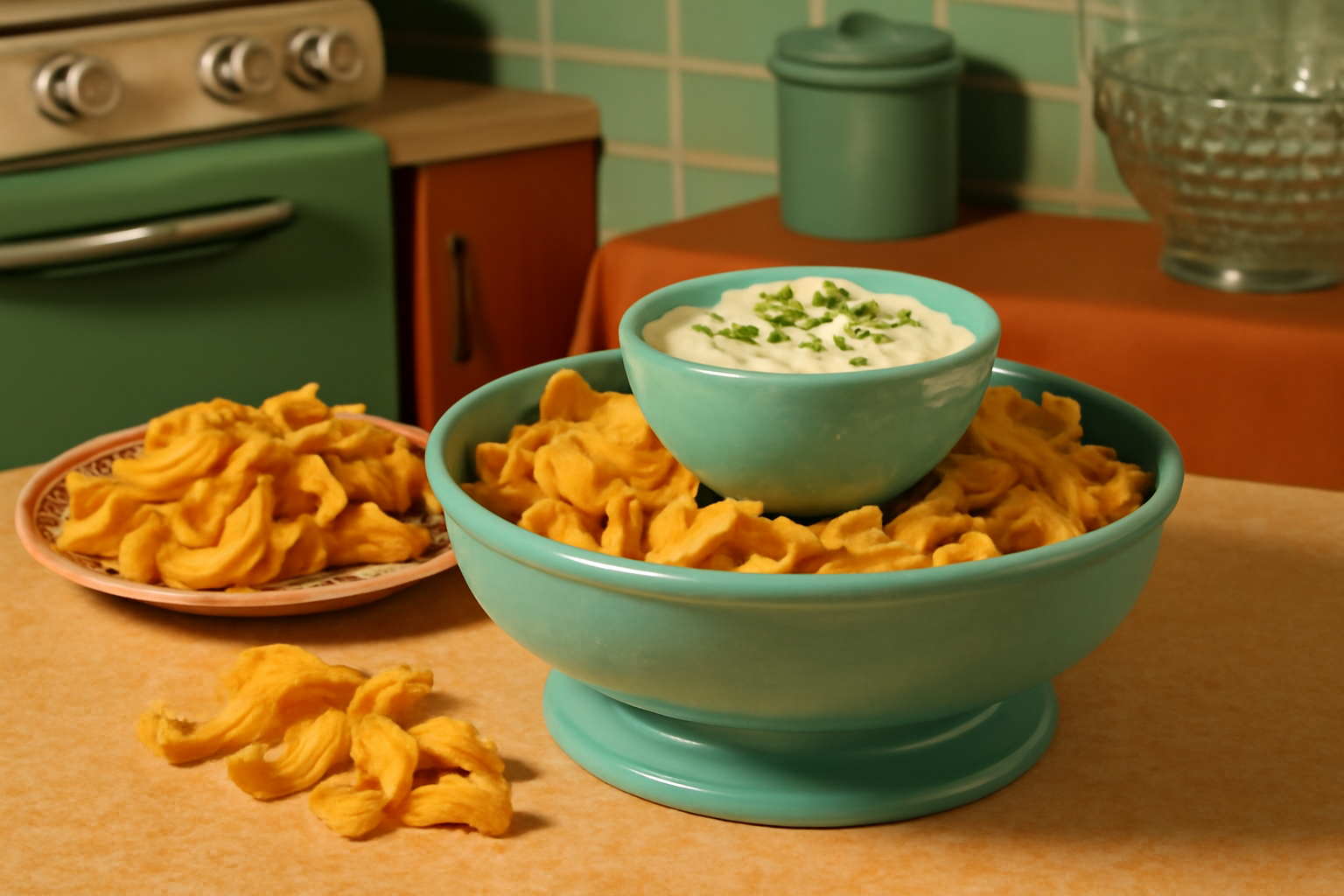

Picture this: it’s Super Bowl Sunday, someone sets a bowl of queso on the table, and within minutes the entire party has migrated toward it like moths to a flame. Nobody planned it. Nobody announced it. The dip just… did what dips do. If you’ve ever wondered why a simple bowl of something scoopable has that kind of gravitational pull, buckle up — because the history of dips is way more fascinating than you’d expect.
The Ancient History of Dips: Humans Have Always Been Dunkers
Long before chip-and-dip sets existed, humans were dunking things into bowls of flavorful paste. Like, way before. The instinct to scoop, drag, and dip is basically hardwired into us.
Take hummus. We think of it as a modern health food staple, but recipes for chickpea-based dips appear in Middle Eastern cookbooks as far back as the 13th century. Tzatziki — that cool, garlicky yogurt dip — has roots in ancient Greece, where yogurt and cucumbers were combined as both food and medicine. Baba ganoush traces its lineage to Levantine cuisine, where roasted eggplant was transformed into something silky and smoky long before food processors existed. And if you want to go really ancient? The Romans had a fermented fish sauce called garum that they used as a dipping condiment for bread. It sounds intense by today’s standards, but honestly, it’s not that different from the bold, savory dips we still crave.
The throughline here is undeniable: every culture, in every era, figured out that food tastes better when you dunk it in something delicious. Dipping isn’t a trend. It’s a human tradition.
How America’s Dip Obsession Was Born in the 1950s
Here’s where the story gets really good. The specific brand of dip culture we know today — the party bowl in the center of the coffee table, the chip bag ripped open and laid flat, everyone reaching in — that’s a distinctly American invention, and it has a pretty specific birthday: the 1950s.
After World War II, suburban life exploded. Families moved into new homes with living rooms designed for entertaining. Cocktail parties became a social institution. TV trays appeared. Processed food convenience was marketed as modern, aspirational, and fun. The stars aligned perfectly for dip culture to emerge.
And then came the watershed moment. In 1954, Lipton published a recipe in a newspaper advertisement: mix one packet of Lipton Onion Soup Mix with a container of sour cream. That was it. That was the California Onion Dip. It went viral before viral existed. Housewives clipped the ad, shared it with neighbors, and served it at every gathering imaginable. The recipe was so beloved that by 1958, Lipton was printing it directly on every single box of their onion soup mix. The demand didn’t slow down — it just kept growing.
Around the same time, Fritos corn chips hit national distribution in the early 1950s. The chip-and-dip pairing clicked into place almost immediately. Suddenly you had a vehicle and a destination, and American party food was never the same.
The Golden Age: Clam Dip, Queso, and the 7-Layer Era
Once America discovered dipping, there was no going back. The 1960s and 70s brought us the clam dip era — canned minced clams folded into cream cheese or sour cream, served with crackers at every suburban dinner party worth its salt. Spinach dip in a hollowed-out sourdough bread bowl became a staple that somehow felt both rustic and elegant. Cream cheese-based dips ruled the decade, topped with anything from chopped olives to cocktail shrimp. (For a deeper dive into that arc — and what clam dip and seven-layer dip say about two very different eras of American entertaining — see our companion piece, A History of American Dips: From Clam Dip to Seven-Layer.)
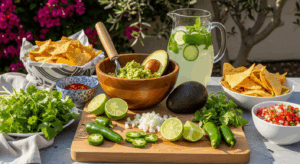
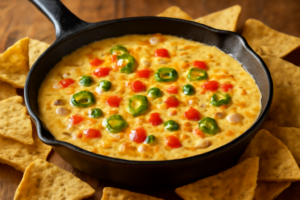
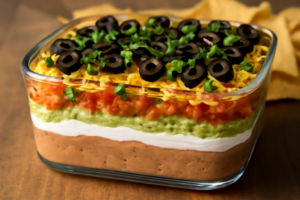
Then the 1980s happened, and Tex-Mex changed everything. Guacamole went from being a niche find at Mexican restaurants to a Super Bowl essential. Queso — that glorious, gooey, melted cheese dip — became a party non-negotiable. Salsa started appearing in supermarkets nationwide. And then someone, somewhere, had the genius idea of layering refried beans, sour cream, guacamole, cheese, tomatoes, olives, and green onions into a single bowl and calling it the 7-layer dip. It was beautiful. It was excessive. It was perfect.
The 1990s brought another shift: hummus crossed over from specialty health food stores into mainstream grocery aisles. Sabra, founded in 1986, went mainstream by the mid-1990s, and suddenly chickpea dip was everywhere. It felt new to American consumers, even though — as we know — it had been around for centuries.
The 2000s ushered in the artisan dip movement. Farmers market white bean dips, roasted red pepper spreads, and everything-bagel cream cheese showed up on charcuterie boards and holiday tables. Dipping had officially become a form of culinary self-expression.
Why Dips Still Matter (and a $4 Billion Industry Says They’re Not Going Anywhere)
Today, dips are a $4 billion industry in America. The average American household buys dip 11 times per year. Those numbers are staggering when you stop to think about it — we’re talking about a condiment category that rivals major food groups in terms of purchasing frequency and cultural presence.
But the real reason dips have endured across centuries and continents isn’t economics. It’s social psychology. Think about what a shared dip bowl actually requires: physical proximity, a degree of trust, and a reason to linger in the same spot. You can’t really dip and dash. You scoop, you make eye contact, someone makes a comment about the dip, and suddenly you’re in a conversation you didn’t plan to have. Dips create connection. They slow people down. In a world that moves faster every year, there’s something quietly radical about a bowl of something delicious that makes everyone gather around and stay awhile.
That’s why dips thrive at parties. That’s why they survive every food trend cycle. They’re not just food — they’re a social ritual.
Did You Know? Fun Facts About Dip History
- The Lipton California Onion Dip recipe from 1954 is still one of the most-made dip recipes in America, nearly 70 years later.
- Romans used garum — a pungent fermented fish sauce — as a dipping condiment for flatbread. Ancient umami, basically.
- Salsa overtook ketchup as America’s top-selling condiment back in the 1990s and hasn’t looked back since.
- The word “hummus” literally means “chickpea” in Arabic. The full dish is technically called hummus bi tahini — chickpeas with sesame paste.
- Americans consume roughly 120 million pounds of avocados on Super Bowl Sunday alone — most of it destined for guacamole.
The Serving Vessel That Actually Keeps Up With Party Traffic
When you’re telling the story of how America fell in love with dips, you need a serving setup that matches that gravitational pull — something that keeps the dip accessible and the chips coming without turning into a messy situation halfway through the party.
What works
- The stacked design means guests can actually reach chips without their hands colliding over a flat bowl — it’s a small thing that eliminates a surprising amount of awkwardness.
- The dip bowl sits elevated and stays put while people are reaching, so you’re not fishing the bowl out from under elbows every five minutes.
- It looks intentional and gathered on the table in a way that screams “I know what I’m doing with party food” without requiring any actual fussing.
What doesn’t
- The chip capacity is smaller than a standard flat bowl, so if your crowd is larger than 8-10 people, you’ll need a refill strategy or a second setup.
- It’s stoneware and takes up dedicated cabinet space — not the kind of thing you can stack away in five seconds like a disposable platter.
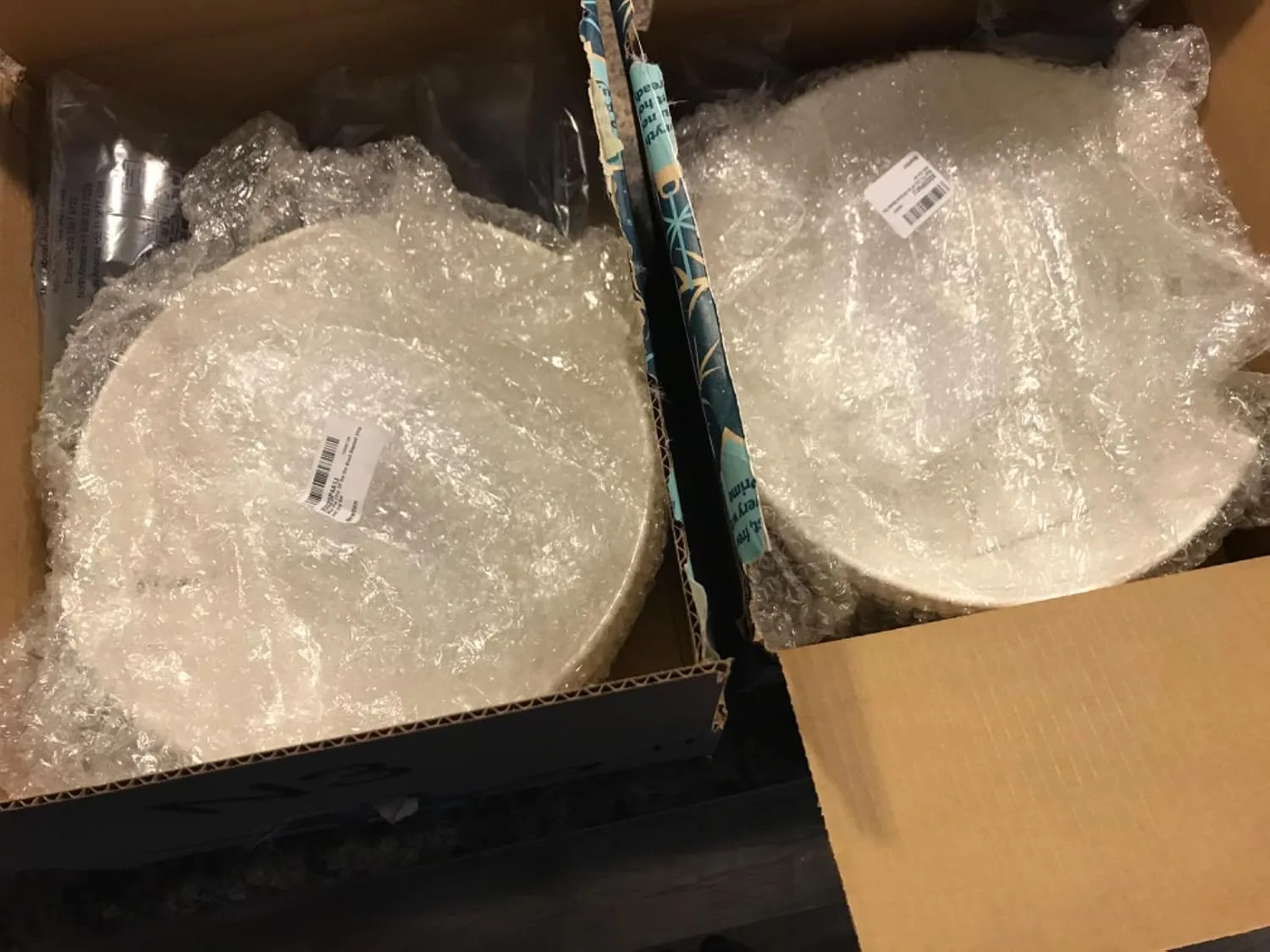
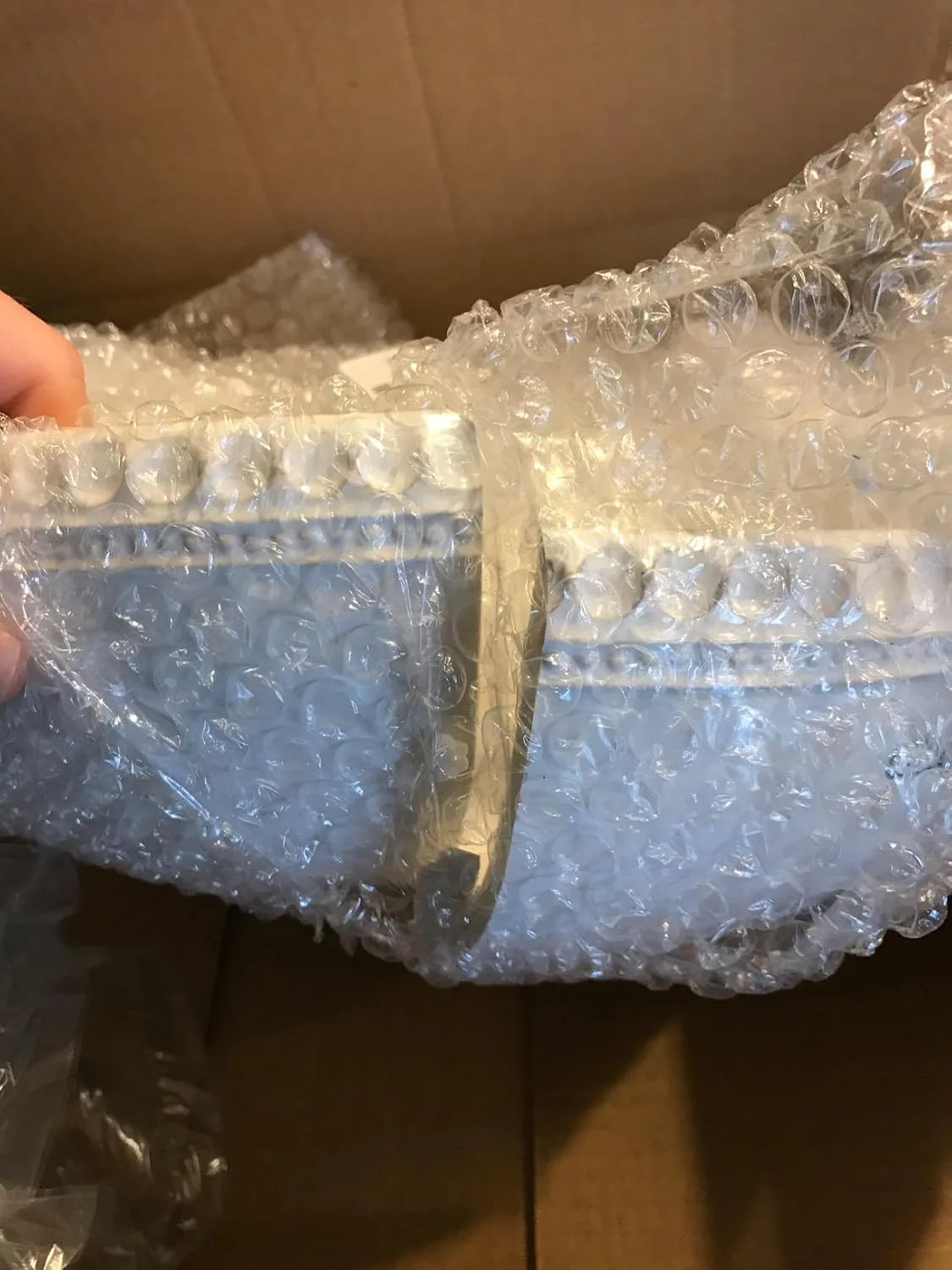
I brought a homemade queso to a party last year with just a flat ceramic bowl, and within ten minutes the chips were scattered across the table and the dip was halfway across the coffee table — it was chaos. Grab the Mud Pie Chip Off the Old Block Stacked Chip and Dip Set and stop rescuing your dips mid-party.
About This Article

Written by Rachel Thompson. Rachel Thompson is a home cook who has spent over 10 years making an unreasonable number of dips, appetizers, and party spreads — no culinary training, just a decade of trial and error and a reputation among friends for always being asked to "bring a dip." She focuses on approachable recipes that combine bold flavors with simple techniques, making entertaining at home accessible to everyone. More about this site.
Scope and limits. Rachel is a home cook with no culinary training. Follow current food safety guidance for holding temperatures and time limits whenever you are serving people other than yourself.
Verify this against a primary source
Specifics change, and your situation may differ from the one described here. These are the authorities worth checking directly:
- FoodSafety.gov — cold holding, hot holding and the two-hour rule
- USDA FoodData Central — ingredient composition and nutrition data
- USDA Food Safety and Inspection Service — safe minimum temperatures and leftovers