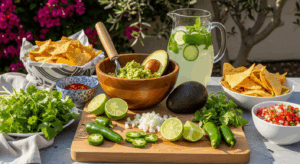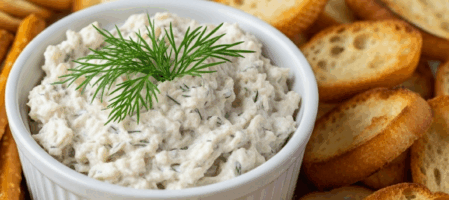
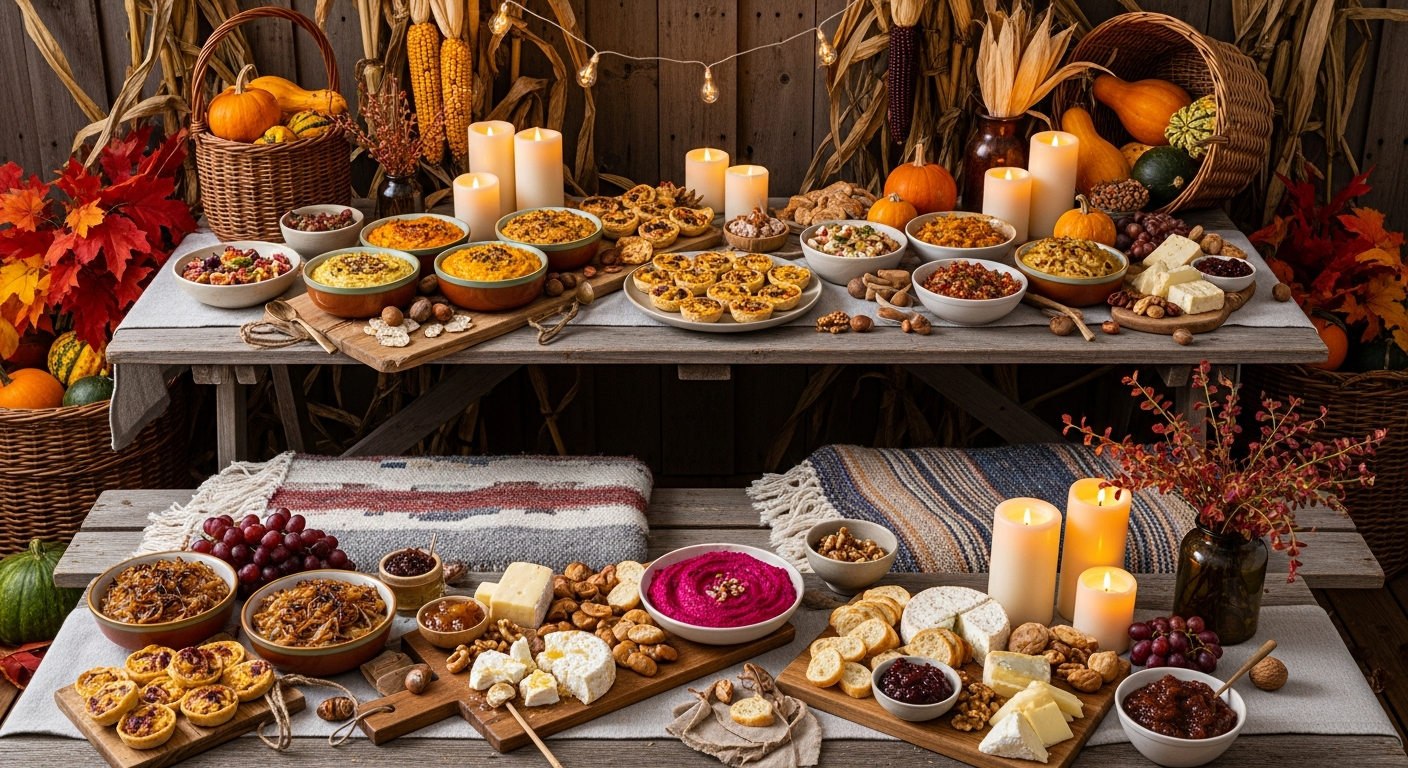

Have you ever taken one bite of a dip and known instantly that the avocado was picked days, not weeks, before it hit your kitchen? Or noticed that the same salsa recipe tastes completely different in August than it does in January? That difference isn’t your imagination — it’s sourcing. The freshest, most in-season ingredients you can get your hands on are almost always what separates a decent dip from a genuinely great one, and knowing how to shop for them — where to look, what to ask, and when to buy — is a skill that pays off at literally every gathering you host.
Why Where (and When) Your Ingredients Are Grown Matters
Different parts of the country really do favor different dips based on what grows well there — that’s a fun rabbit hole on its own. But the more useful lesson for your own kitchen isn’t which region “wins.” It’s what those local cooks are actually doing right: they buy in season, from growers who know their product inside and out, and they let the ingredient itself do the heavy lifting instead of masking it with extra salt, sugar, or seasoning packets.
A grower who’s been cultivating the same avocado varietal for a decade knows exactly when to pick for the creamiest guacamole texture. A small dairy producer selling directly at a farmers market can tell you which of their cheeses melts smoothest for a warm dip and which one will break if you push the heat too far. That kind of knowledge doesn’t come from a supermarket shelf label — it comes from asking questions at a stand, and it’s the real reason farm-sourced ingredients tend to make better dips.
The Connection Between Farm Seasons and Party Menus
If you’ve ever shopped at a farmers market, you know that what’s available changes dramatically throughout the year. Spring brings fresh greens and herbs perfect for herb-based dips. Summer floods us with tomatoes, corn, and zucchini—ideal for lighter, fresher spreads. Fall brings root vegetables and squash that make heartier dips shine. Winter is when preserved ingredients, root vegetables, and stored produce inspire comfort-focused dips with depth and richness.
Smart party planners work with these seasons rather than against them. Hosting a summer gathering? Reach for that fresh tomato salsa or herb-forward cream cheese spread made with ingredients at their peak. Planning a winter holiday party? That’s the time to embrace caramelized onion dips, roasted garlic spreads, and cheese blends that showcase stored and preserved local products.
The Food Processor That Turns Fresh Local Produce Into Silky Dip Magic
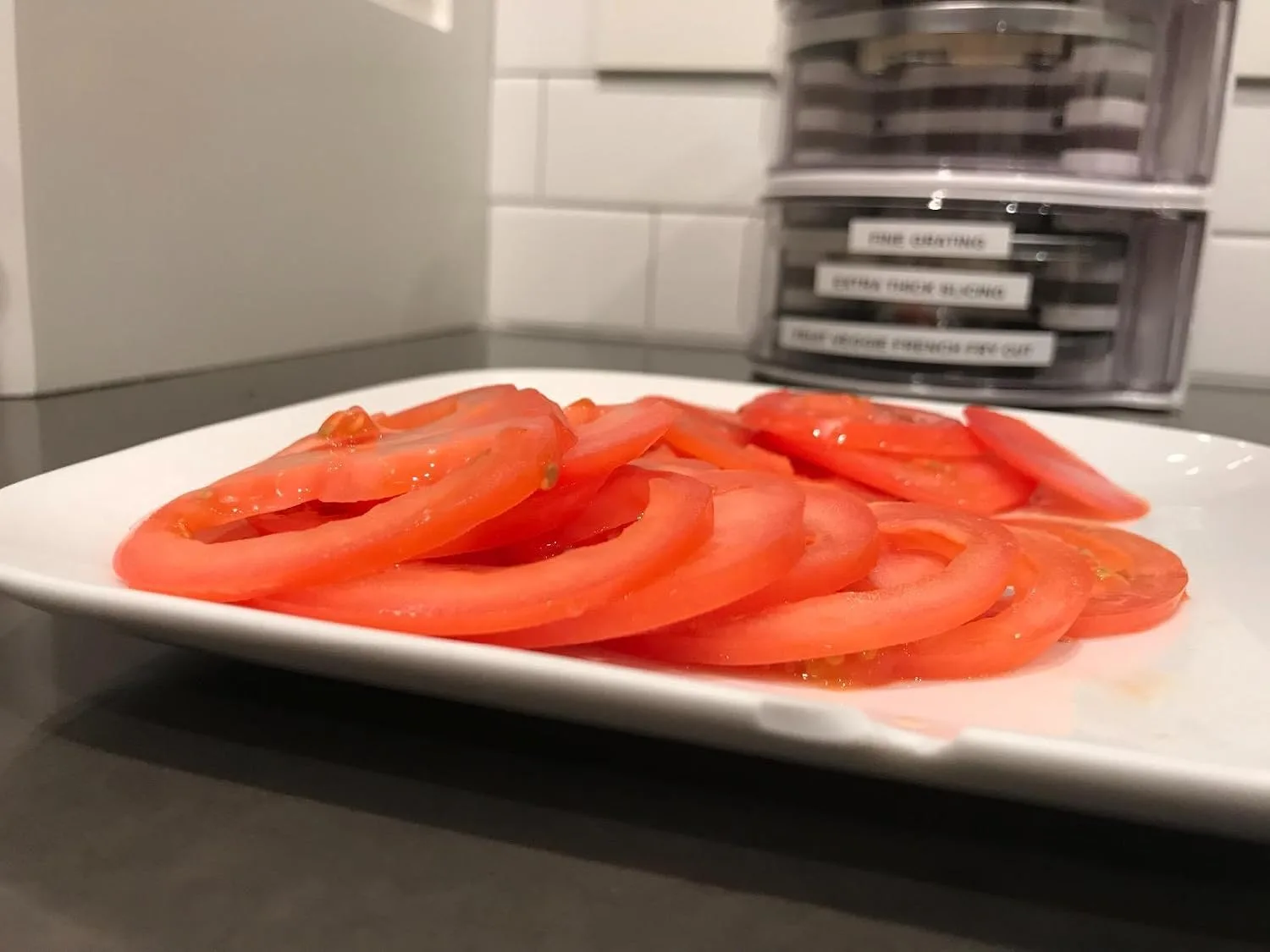
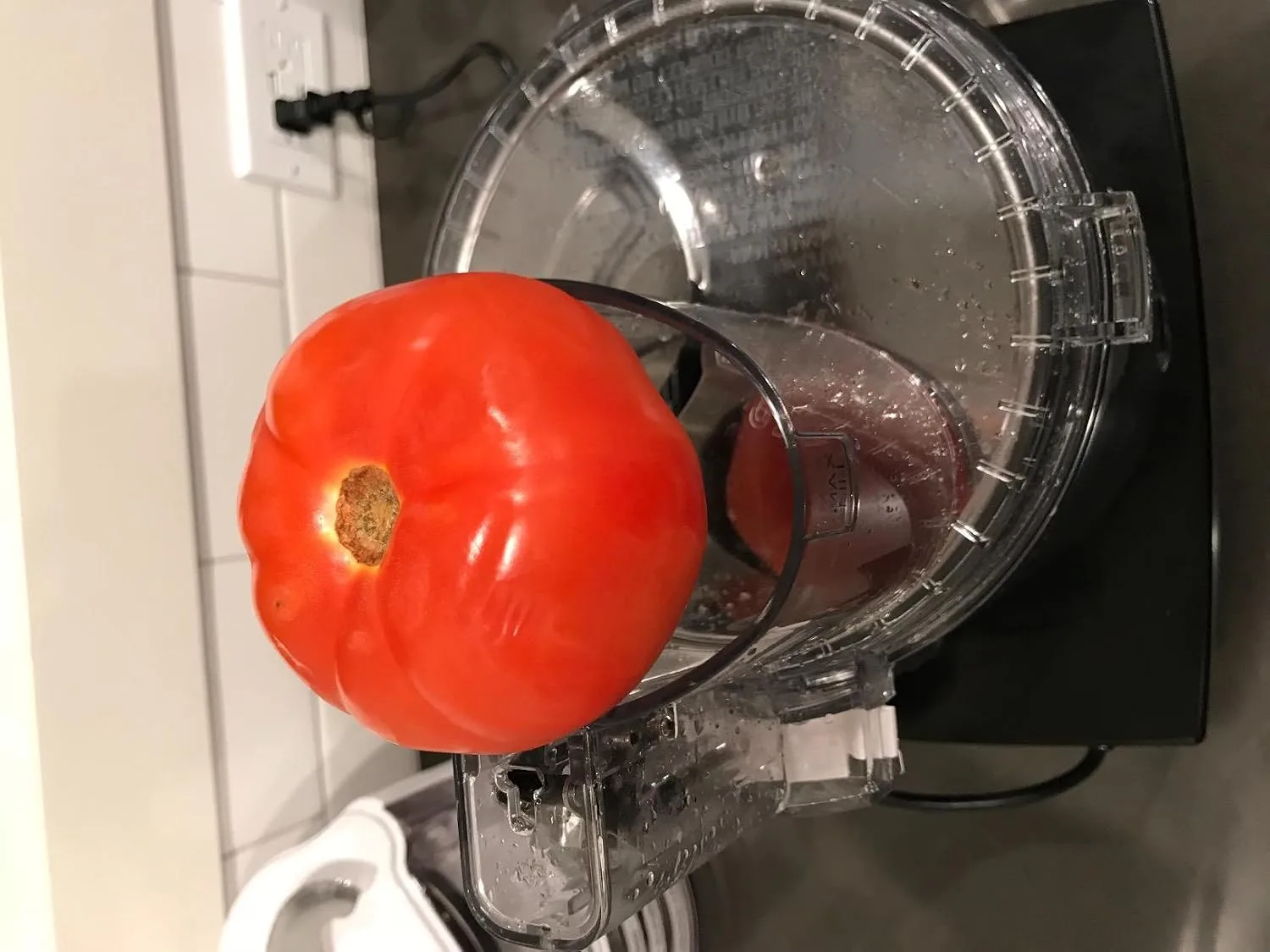
When you’re working with gorgeous local ingredients—heirloom tomatoes, fresh herbs, ripe avocados—you need a tool that honors them without turning them into mush. A good food processor is the difference between a chunky, texture-less mess and a dip that actually tastes like the farm.
What works
- Pulses regional produce to exactly the right consistency—creamy without over-blending delicate ingredients like fresh herbs or ripe avocado
- Handles batch-size dips for parties without bogging down; you can prep a full guacamole or tomato-based dip in under two minutes
- The cleanup is honestly easier than hand-mashing everything, and your wrists don’t hate you afterward
What doesn’t
- Takes up real counter or cabinet space—it’s not a small appliance, and if you’re tight on storage, you’ll feel it
- Easy to over-process if you’re not paying attention; you have to watch the texture carefully, especially with softer ingredients
I once brought a California guacamole to a party where I’d hand-mashed everything at the last minute, and the texture was grainy and separated by the time guests arrived—never again. That’s when I grabbed a food processor or high-speed blender and haven’t looked back.
Practical Tips for Using Local Ingredients in Your Dips
Start by visiting your local farmers market with an open mind. Talk to farmers about which ingredients are at their peak right now, and let that guide your dip selection. Ask questions about varieties—some heirloom tomatoes are better for chunky salsas, while others blend beautifully into smooth spreads.
Buy slightly more produce than you think you’ll need. Fresh local ingredients sometimes have more water content than their supermarket counterparts, and you may need to strain or reduce your dip slightly to reach the perfect consistency. When using a food processor, pulse in short bursts rather than running it continuously. This gives you better control over texture and prevents over-processing those delicate fresh herbs.
Don’t wash your produce until right before you use it—moisture is the enemy of storage. And if you’re making your dip ahead of time, store it in an airtight container to prevent the top from oxidizing and browning.
Why Local, In-Season Ingredients Really Do Taste Better
There’s something genuinely different about a dip made from ingredients harvested at peak ripeness and brought to your party the same day. Store-bought produce often travels hundreds of miles, sitting in trucks and warehouses, losing flavor and texture along the way. Local, in-season ingredients skip that journey entirely.
When you support local farms, you’re also voting with your fork for the growing practices and varieties suited to your climate — the ones farmers have spent years dialing in for flavor, not just shelf life. That’s not just a party appetizer; that’s a connection to place, season, and the people who actually grew your food.
Next time you’re planning a gathering, start at the farmers market instead of the supermarket. See what’s freshest, what’s abundant, and what excited growers are eager to share. Then let those ingredients — and the calendar — guide your dip selection. Your guests will taste the difference.
About This Article

Written by Rachel Thompson. Rachel Thompson is a home cook who has spent over 10 years making an unreasonable number of dips, appetizers, and party spreads — no culinary training, just a decade of trial and error and a reputation among friends for always being asked to "bring a dip." She focuses on approachable recipes that combine bold flavors with simple techniques, making entertaining at home accessible to everyone. More about this site.
Scope and limits. Rachel is a home cook with no culinary training. Follow current food safety guidance for holding temperatures and time limits whenever you are serving people other than yourself.
Verify this against a primary source
Specifics change, and your situation may differ from the one described here. These are the authorities worth checking directly:
- FoodSafety.gov — cold holding, hot holding and the two-hour rule
- USDA FoodData Central — ingredient composition and nutrition data
- USDA Food Safety and Inspection Service — safe minimum temperatures and leftovers