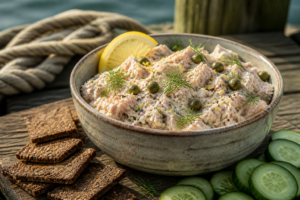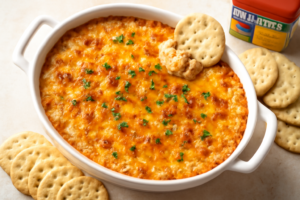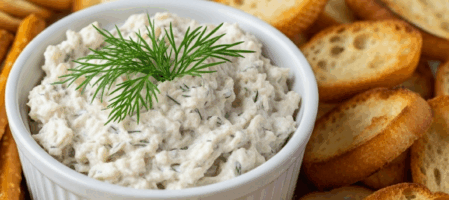
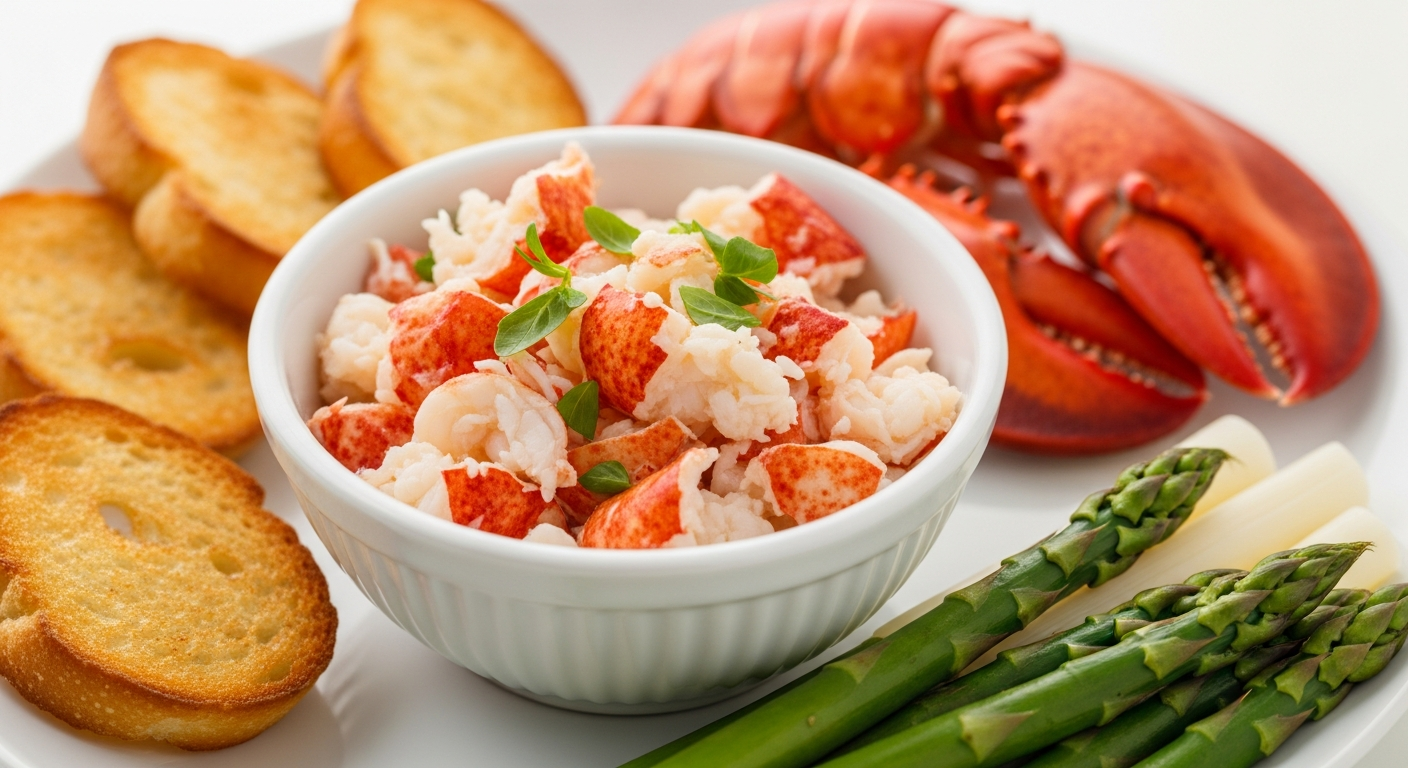

When you think of Maryland, you likely think of blue crabs. This iconic crustacean is central to the state’s identity and cuisine. Consequently, one of its most beloved culinary creations is the hot, cheesy, and utterly addictive Maryland crab dip. This dish is a staple at gatherings across the state. However, the tradition of delicious seafood dips does not stop at the Maryland border. As we travel north, we discover a family of related dips. Each one reflects the unique character and bounty of its region. This guide explores the legendary Maryland crab dip and its fascinating northern cousins.
The One Ingredient That Separates Good Maryland Crab Dip From Great
There’s a world of difference between a crab dip made with shredded or canned crab and one built on real lump meat—and your guests will taste it immediately. Premium lump crabmeat is what transforms this dish from a cream cheese vehicle into something genuinely special.
What works
- Those tender, sweet chunks stay intact through baking and reheating, so every bite feels luxurious instead of mushy or shredded.
- The flavor is bold enough that you don’t need to overseason—which means better balance with the Old Bay and cream cheese instead of a one-note salty situation.
- It looks noticeably better in the dip warmer, with visible pieces that signal “this is real crab” before anyone even tastes it.
What doesn’t
- The cost is real—premium lump crab is significantly pricier than canned or imitation alternatives, which can add up if you’re making this for a large crowd.
- You have to be careful not to overmix or break down the lumps while folding it into the dip base, which takes a gentler hand than you might expect.
I learned this the hard way when I once grabbed the cheaper canned crab to save money and ended up with a dip that tasted more like “seafood-flavored cream cheese” than actual Maryland crab dip—my guests were polite, but I knew instantly I’d made a mistake. Now I always reach for Chicken of the Sea Lump Crab Meat when I’m bringing this one to a gathering.
Building the Perfect Maryland Crab Dip Base
Once you’ve committed to quality crab, the foundation matters just as much. A proper Maryland crab dip starts with cream cheese as the binder, but the magic happens when you layer in complementary flavors. Most traditional recipes combine softened cream cheese with sharp cheddar, a touch of Worcestershire sauce, and that essential seasoning: Old Bay. Some versions add a splash of lemon juice or a whisper of garlic powder to brighten the profile.
The key to a smooth, creamy texture is ensuring all your dairy components are at room temperature before you start mixing. Cold cream cheese will seize up and create a lumpy base that’s difficult to work with. I typically let my cream cheese sit on the counter for thirty minutes before I begin. Once everything is combined, fold in your lump crabmeat gently—think of it as the last step, added just before baking. This prevents the crab from breaking down during mixing.
Bake your dip at 350°F for about 20 to 25 minutes, until the edges begin to bubble and the top is lightly golden. Many people make the mistake of cooking it too long, which can cause the cheese to separate from the cream cheese base. You want hot and bubbly, not dried out and broken.
Northern Cousins: Exploring Regional Variations
As the crab dip tradition moves north into Delaware, Pennsylvania, and New Jersey, interesting regional tweaks emerge. Delaware versions often feature a slightly spicier profile, incorporating more hot sauce and sometimes Old Bay’s bolder cousin in higher quantities. Pennsylvania’s take, particularly around Philadelphia, sometimes includes sharp provolone alongside cheddar for deeper complexity.
New Jersey and New York interpretations occasionally venture into crown crab territory—using a blend of both lump and claw meat to create a more robust, less delicate flavor profile. Some northeastern versions also add crispy bacon, caramelized onions, or roasted red peppers for textural contrast and depth. While purists might argue these stray from the Maryland tradition, I’ve found they create equally compelling dips that honor the core concept while celebrating their own regional preferences.
Serving and Storage Tips
Maryland crab dip is best served immediately after baking, but it holds beautifully in a slow cooker on the low setting for up to two hours. For parties, this is invaluable—you can prepare it ahead, bake it, and keep it warm without the texture degrading significantly.
If you have leftovers, store them in an airtight container in the refrigerator for up to three days. Reheat gently in a 300°F oven, covered with foil, for about 15 minutes. Never use the microwave, which tends to heat unevenly and can cause the cheese to seize.
Serve your crab dip with crispy crackers, toasted bread rounds, or vegetable crudités. The richness of the dip pairs beautifully with something light and crunchy on the other end.
About This Article

Written by Rachel Thompson. Rachel Thompson is a home cook who has spent over 10 years making an unreasonable number of dips, appetizers, and party spreads — no culinary training, just a decade of trial and error and a reputation among friends for always being asked to "bring a dip." She focuses on approachable recipes that combine bold flavors with simple techniques, making entertaining at home accessible to everyone. More about this site.
Scope and limits. Rachel is a home cook with no culinary training. Follow current food safety guidance for holding temperatures and time limits whenever you are serving people other than yourself.
Verify this against a primary source
Specifics change, and your situation may differ from the one described here. These are the authorities worth checking directly:
- FoodSafety.gov — cold holding, hot holding and the two-hour rule
- USDA FoodData Central — ingredient composition and nutrition data
- USDA Food Safety and Inspection Service — safe minimum temperatures and leftovers