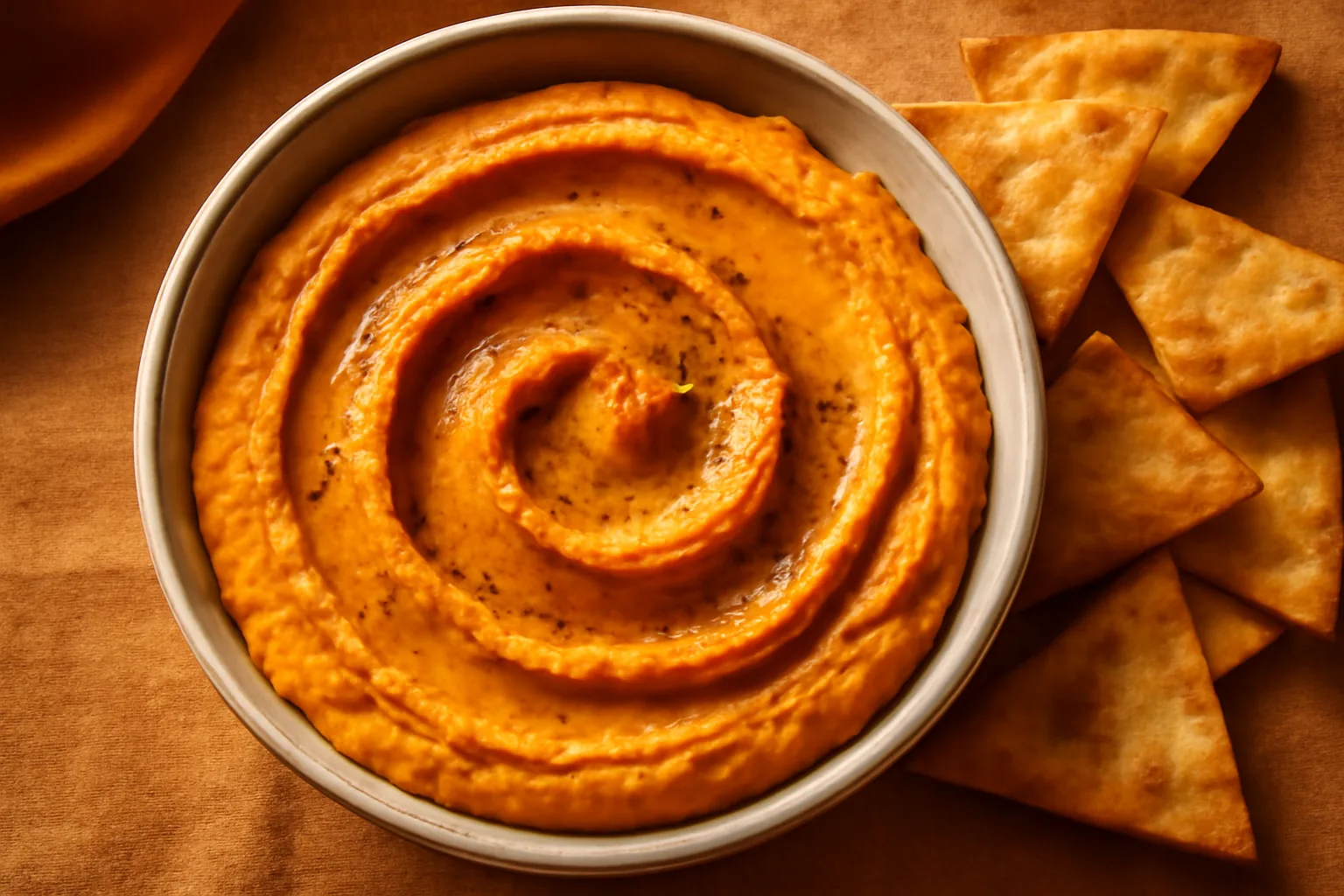

The first time I made this roasted carrot white bean dip recipe, I almost didn’t serve it. It looked a little too humble sitting next to the spinach artichoke dip and the seven-layer. However, I put it out anyway — mostly because I needed to fill a gap on the table. Within twenty minutes, it was completely gone. Three people asked me for the recipe before they even grabbed a second plate of food.
That was about six years ago, at my neighbor’s retirement party. I had roasted a sheet pan of carrots for dinner the night before and had a half-used can of white beans in the fridge. Desperation dip, honestly. But something about the caramelized sweetness of those carrots blended with the creamy, neutral base of the beans just clicked. I tweaked it a few times over the following months, and now it’s one of the most-requested recipes I make.
I’ve brought this to tailgates, book clubs, baby showers, and Christmas Eve parties. My brother-in-law — a dedicated carnivore who once described hummus as “sad food” — now requests this specifically. That, more than anything, tells you what you need to know.
Why This Roasted Carrot White Bean Dip Recipe Works
- Roasting, not steaming, is non-negotiable. Roasting at high heat concentrates the natural sugars in the carrots and creates caramelized edges. Steamed carrots give you a watery, flat dip. Roasted carrots give you depth, sweetness, and that unmistakable golden flavor that makes people ask “what IS that?”
- White beans provide creaminess without dairy. Cannellini beans specifically have a mild, buttery flavor and a high starch content that blends into a silky base. They don’t compete with the carrot — they amplify it. In my experience, chickpeas work as a substitute, but the texture is denser and less smooth.
- Warm spices bridge the sweet and savory gap. Cumin, smoked paprika, and a pinch of cinnamon sound unconventional. That said, they’re exactly what makes this dip interesting without being polarizing. The cinnamon especially enhances the sweetness of the carrot without making the dip taste like dessert.
- Lemon juice at the end, not the beginning. Adding citrus before blending mutes it. Specifically, I stir in fresh lemon juice after everything is fully blended and taste from there. It brightens the entire dip without turning it acidic.
The Recipe: Roasted Carrot and White Bean Dip
Ingredients
- 1 lb carrots, peeled and cut into chunks
- 3 tablespoons olive oil, divided
- 1 (15 oz) can cannellini beans, drained and rinsed
- 3 cloves garlic, unpeeled
- 2 tablespoons tahini
- 2 tablespoons lemon juice
- 1 teaspoon cumin
- ½ teaspoon smoked paprika
- ¾ teaspoon salt
- 2–4 tablespoons water
Recipe Details
- Makes: about 2½ cups
- Time: 45 minutes, mostly hands-off
- Oven: 425°F
Instructions
- Heat the oven to 425°F.
- Toss the carrots with 1 tablespoon of the oil and spread them in a single layer with the unpeeled garlic cloves.
- Roast 30 to 35 minutes, until the carrots are deeply browned at the edges. Roasting rather than steaming is what gives this dip its sweetness — pale carrots make a bland dip.
- Squeeze the roasted garlic out of its skins.
- Blend the carrots, garlic, beans, tahini, lemon juice, cumin, smoked paprika, and salt.
- With the motor running, add the remaining olive oil and enough water to bring it to a smooth, scoopable consistency.
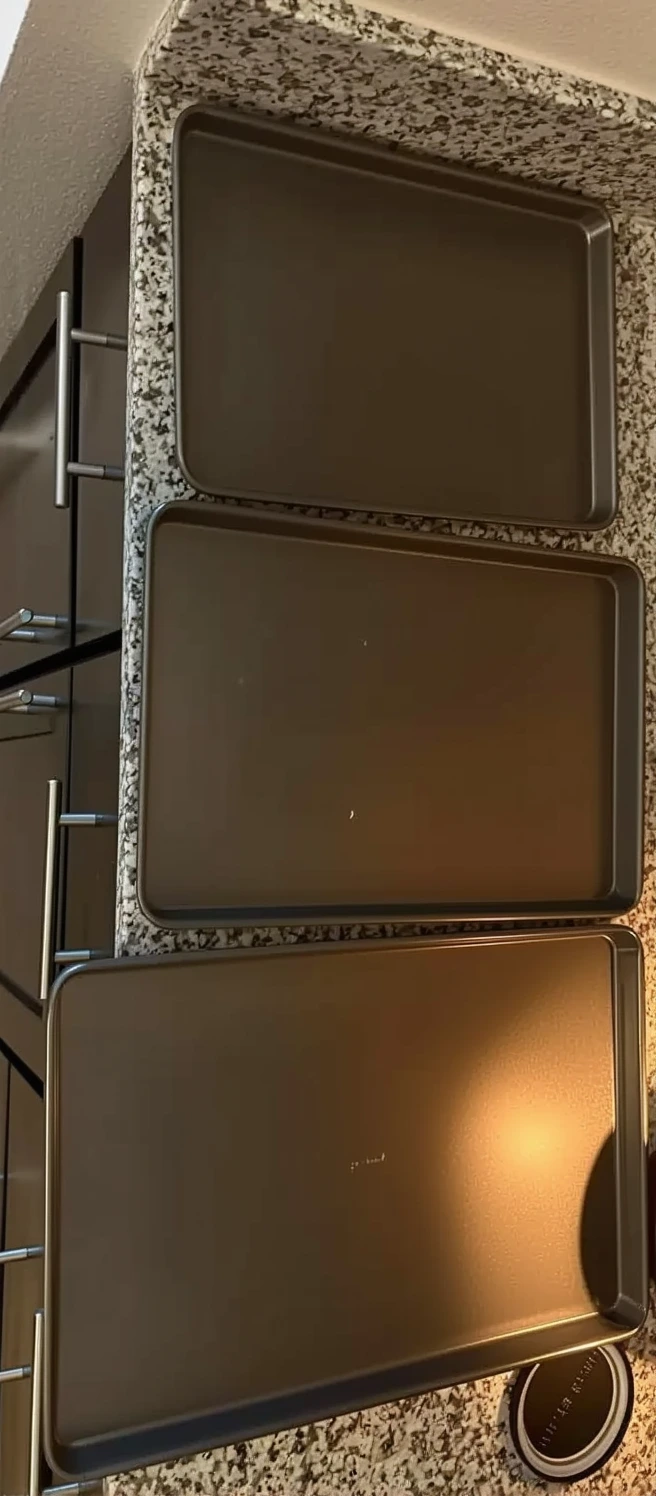
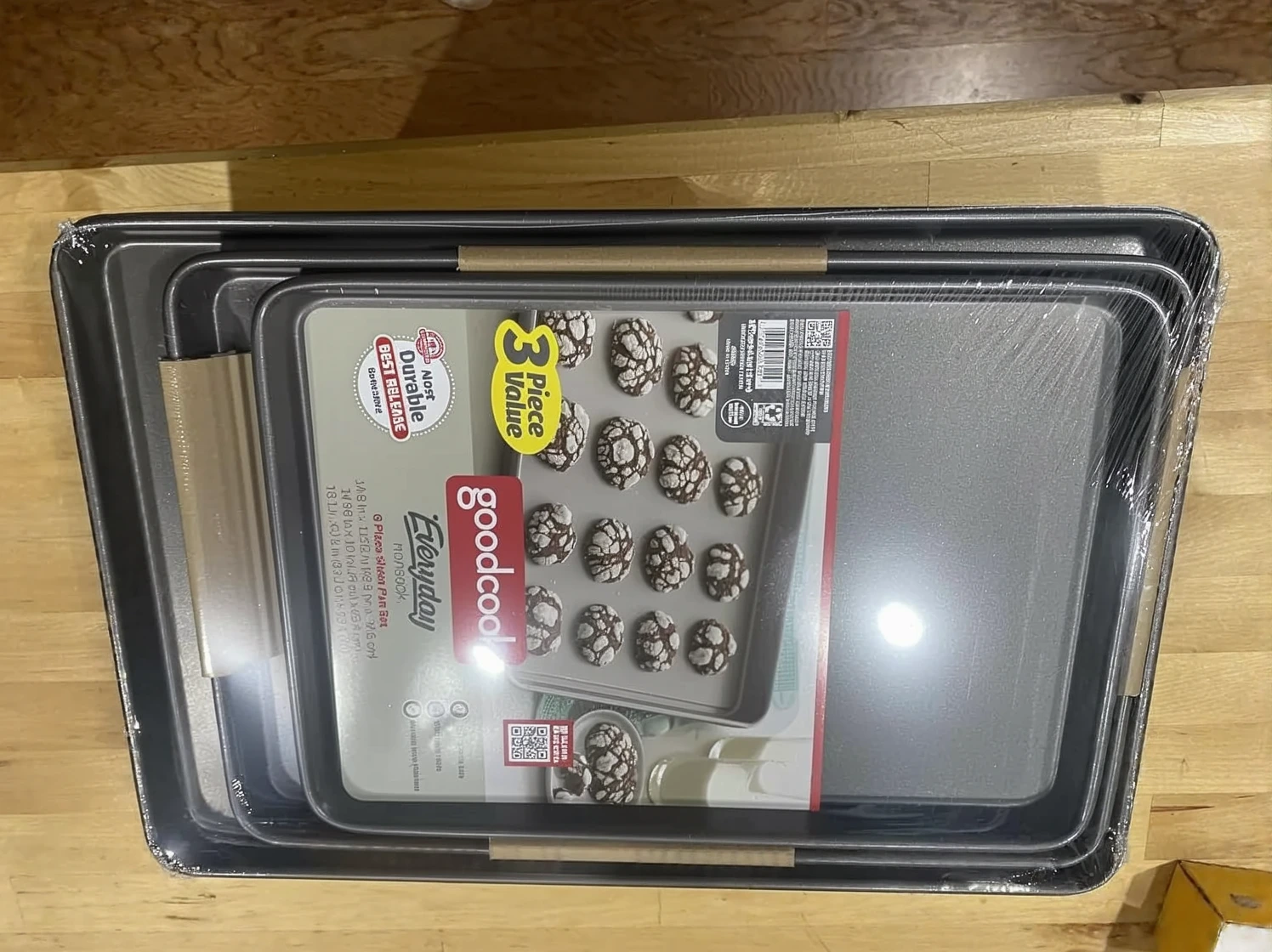
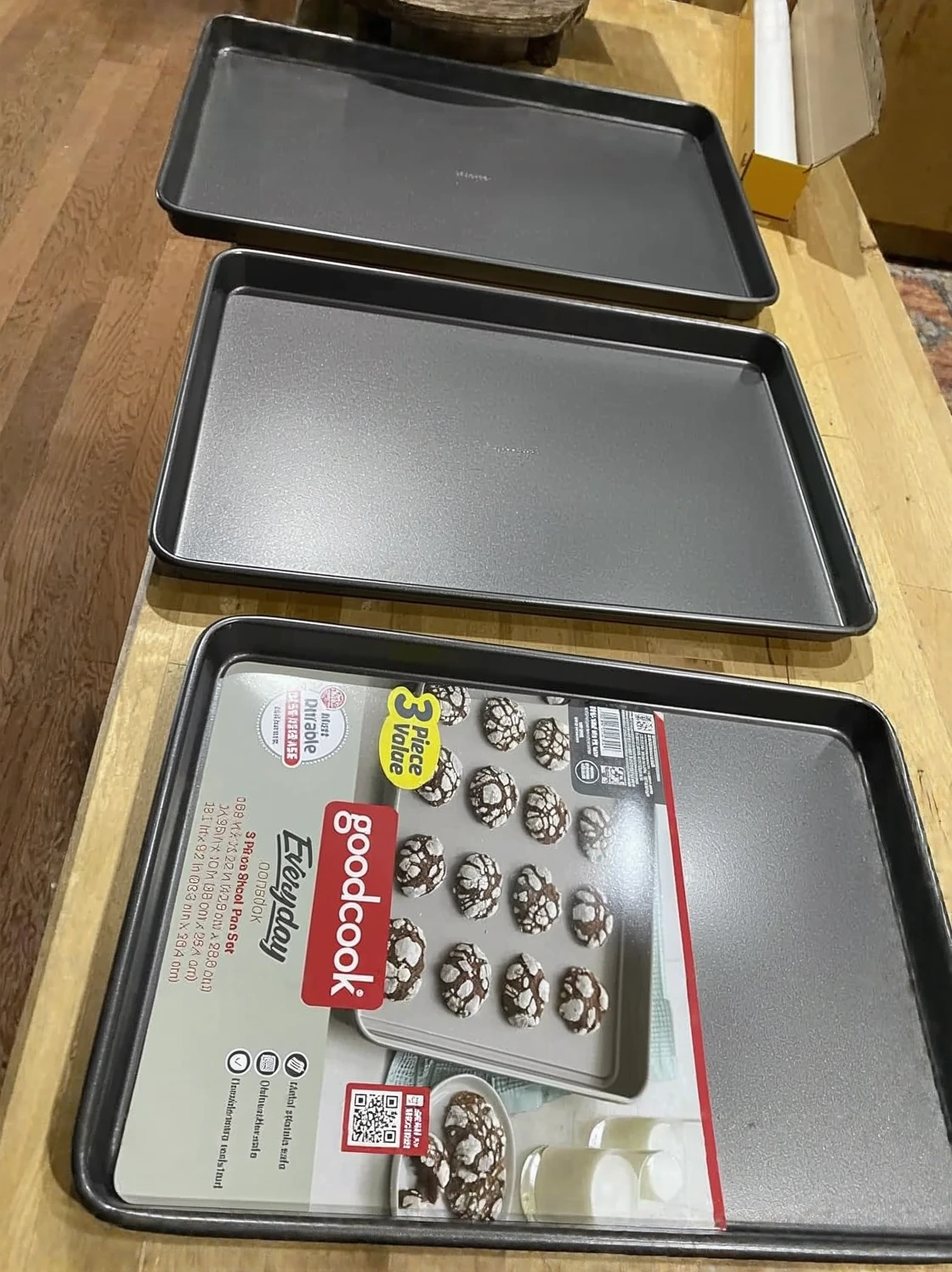
The Baking Sheet That Makes Roasting Carrots Actually Worth the Effort
Getting those carrots perfectly caramelized — not burnt, not steamed — is everything in this dip. A good nonstick baking sheet means the difference between golden, jammy sweetness and a pan you’re scrubbing for twenty minutes while your guests wait.
What works
- The nonstick coating actually releases roasted carrots without sticking or requiring oil wrestling — they come off clean and caramelized on the bottom.
- Two sheets mean you can roast a full batch without crowding, so the carrots brown instead of steam, which deepens the flavor in your dip dramatically.
- Cleanup is genuinely five minutes — no soaking, no scrubbing — which matters when you’re prepping three other dips the same day.
What doesn’t
- The nonstick coating can scratch if you’re aggressive with spatulas, so I’ve learned to use silicone or wood — a small habit shift.
- At higher oven temps (above 450°F), the coating can show wear over time, though I’ve had mine for years of regular party prep without major issues.
I once underestimated how crowded two sheet pans of carrots would get in a standard oven, and half of them ended up steaming instead of roasting — the dip turned out thin and one-note instead of that deep, sweet caramel I was after. Having a proper set of nonstick sheets means spacing them out right and actually getting the results you’re aiming for. GoodCook Everyday Nonstick Baking Sheet Set
About This Article

Written by Rachel Thompson. Rachel Thompson is a home cook who has spent over 10 years making an unreasonable number of dips, appetizers, and party spreads — no culinary training, just a decade of trial and error and a reputation among friends for always being asked to "bring a dip." She focuses on approachable recipes that combine bold flavors with simple techniques, making entertaining at home accessible to everyone. More about this site.
Scope and limits. Rachel is a home cook with no culinary training. Follow current food safety guidance for holding temperatures and time limits whenever you are serving people other than yourself.
Verify this against a primary source
Specifics change, and your situation may differ from the one described here. These are the authorities worth checking directly:
- FoodSafety.gov — cold holding, hot holding and the two-hour rule
- USDA FoodData Central — ingredient composition and nutrition data
- USDA Food Safety and Inspection Service — safe minimum temperatures and leftovers