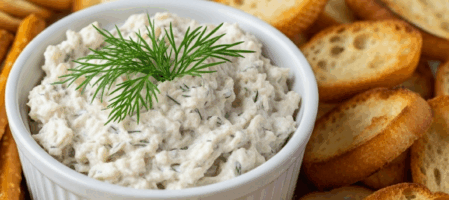
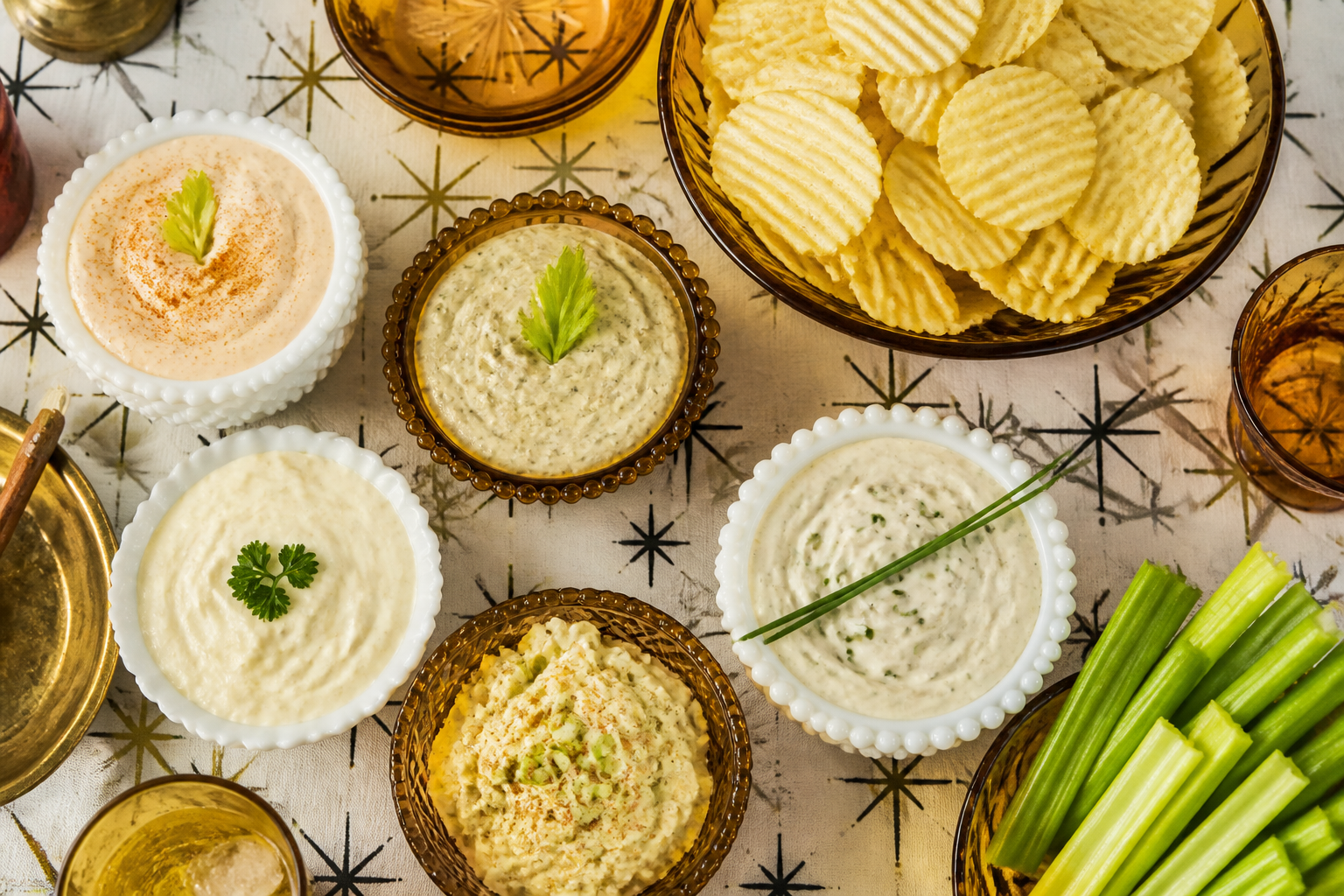

There is a particular pleasure in finding an old dip recipe card—four ingredients, one bowl, no roasting or blending required, and somehow it’s always the first bowl to empty at the party. Modern dips got complicated. They involve food processors, roasted garlic, microplaning, and ingredient lists that read like a culinary degree. These vintage 4-ingredient dips for parties? They never needed any of that. They just work.
Why Vintage 4-Ingredient Dips Became a Party Staple
The American dip boom didn’t start with Instagram or Pinterest. It started in 1954, the moment someone at Lipton realized that onion soup mix plus sour cream could be stirred together and called “California Dip.” Two ingredients. One bowl. It sold soup mix by the truckload.
The post-war years gave us the building blocks for dips that would last decades: canned clams in little tins, cream cheese in foil bricks, dried onion soup mixes, chili sauce in glass bottles, frozen chopped spinach in cardboard boxes. For a host or hostess in the 1950s through 1980s, these were not luxury items—they were the entire point. A dip had to be something you could assemble before guests arrived and let sit on a card table for three hours without falling apart.
The format survived because it’s actually sound: one creamy base, one salty or savory driver, one aromatic element, and one texture or garnish. That’s it. That’s the template that kept vintage 4-ingredient dips in regular rotation for nearly seventy years.
The Vintage Dip Formula: Four Slots, Infinite Combinations
If you want to understand why these old recipes work—and how to invent your own—here’s the structure that holds them all together:
- Slot 1: The Base. Sour cream, cream cheese, mayonnaise, or a blend of two. This is your neutral, creamy canvas.
- Slot 2: The Savory Driver. Soup mix, canned seafood, dried beef, chili sauce, or barbecue sauce. This is where the flavor comes from.
- Slot 3: The Aromatic. Onion, garlic, dill, horseradish, Worcestershire, anchovy, or fresh herbs. This wakes everything up.
- Slot 4: The Texture or Finish. Chopped nuts, bacon, chives, shredded cheese, or minced bell pepper. This is what makes it interesting on the second chip.
Every single recipe below follows this template. And once you see it, you can build your own vintage dip in seconds.
10 Retro Party Dips Worth Bringing Back
Classic California Dip (1954)
This is the granddaddy. This is the dip that started the entire phenomenon. Mix 16 oz sour cream with one envelope Lipton onion soup mix, 1 tsp Worcestershire sauce, and 2 tbsp chopped fresh chives. Stir. Chill for at least 2 hours. Serve with ruffled potato chips.
Popular: 1950s–1970s, never went away. Still the most reliable choice.
Old-Fashioned Clam Dip
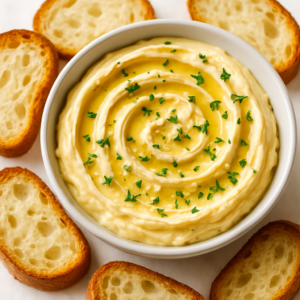
Beat 8 oz cream cheese until soft, then fold in one 6.5 oz can minced clams (drained, juice reserved), 1 tbsp fresh lemon juice, and 2 tbsp minced onion. Add a splash of reserved clam juice if it’s too stiff. This one needs rest—at least 4 hours in the fridge for the flavors to marry.
Popular: 1960s–1980s, especially at coastal and formal parties. Serve with Ritz crackers or celery.
Dried Beef Dip
Mix 8 oz softened cream cheese with 1 cup sour cream, 2.5 oz jarred dried beef (chopped fine—this matters), and 2 tbsp minced green onion. Blend until the beef is distributed evenly. Serve cold with potato chips or bread rounds.
Popular: 1950s–1970s, a sophisticated choice that tastes far better than it sounds.
Shrimp Cocktail Dip
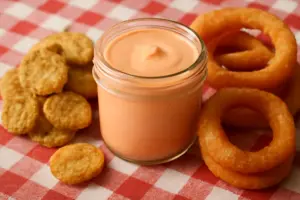
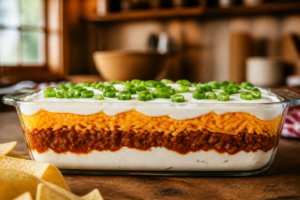
This is technically a spread, served in layers on a plate rather than in a bowl. Spread 8 oz softened cream cheese on a flat serving plate, then top with 1/2 cup cocktail sauce, one 4 oz can small shrimp (drained and patted dry), and 1/4 cup shredded cheddar. Serve with Ritz crackers. The layers stay distinct, which is half the charm.
Popular: 1960s–1980s, the most elegant of the old dips.
Green Goddess-Style Sour Cream Dip
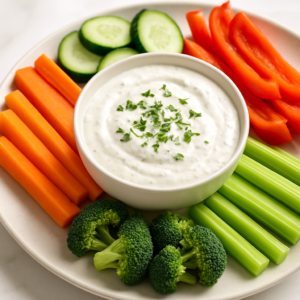
Mix 1 cup sour cream with 1/2 cup mayonnaise, 3 tbsp minced fresh herbs (dill, parsley, chives, tarragon—whatever you have), and 2 anchovy fillets mashed into a paste. The anchovies dissolve completely and add a savory depth that no one will identify but everyone will taste.
Popular: 1960s–1970s, especially in California. Serve with fresh vegetables.
Braunschweiger Party Dip
This one is polarizing and absolutely beloved in the Midwest. Mix 8 oz liverwurst (softened), 4 oz cream cheese, 2 tbsp grated onion, and 1 tsp Worcestershire until smooth. Serve on rye crackers or dark bread. Fair warning: liverwurst is not for everyone, but those who love it will ask for the recipe.
Popular: 1950s–1980s, especially at Midwestern gatherings. A serious crowd divider in the best way.
Retro Dill Dip
Combine 1 cup sour cream, 1 cup mayonnaise, 1 tbsp dried dill (do not skip the resting time—dried dill needs it), and 1 tbsp dried minced onion. Mix and refrigerate for at least 4 hours. This is the dip that lived in a hollowed-out rye bread bowl, and for good reason.
Popular: 1970s–1980s, the bread bowl format made it iconic. Serve with fresh vegetables or bread cubes.
Chipped Ham Barbecue Dip
Combine 8 oz cream cheese, 1/2 cup barbecue sauce, 1 cup chopped deli ham, and 1/2 cup shredded cheddar in a baking dish. Bake at 350°F for 20 minutes until bubbly. Serve warm with Ritz crackers. This is the only baked dip on the list, and it’s worth the oven time.
Popular: 1970s–1980s, always served warm. Perfect for casual gatherings.
Horseradish Bacon Dip
Beat 8 oz sour cream with 4 oz cream cheese until smooth, then fold in 2 tbsp prepared horseradish and 6 slices bacon (cooked crisp and crumbled). The heat from the horseradish and the salt from the bacon make this unexpectedly complex.
Popular: 1960s–1970s, for hosts who wanted something a little more daring. Serve with rye crackers.
Sweet Pineapple Cream Cheese Dip
Mix 8 oz softened cream cheese with one 8 oz can crushed pineapple (drained very well—excess liquid will make this watery), 1/4 cup chopped pecans, and 1 tbsp minced green bell pepper. Serve chilled. This was the sweet dip option, often brought to dessert potlucks but equally at home at a cheese and crackers gathering.
Popular: 1970s–1980s, versatile enough to work as sweet or savory. Serve with vanilla wafers, ginger snaps, or crackers.
Three Rules That Make Old Dips Actually Taste Good
These recipes sound almost too simple to be worth your time. Until you make them correctly. Here’s what separates a flat, forgettable dip from one that empties the bowl:
Rest Them
Every single one of these vintage 4-ingredient dips is better after 2 to 4 hours in the fridge. This is not optional. Dried onion and dried herbs need time to rehydrate. Fresh herbs need time to infuse. Even the creamy bases benefit from time to meld. If you make a dip and taste it immediately, you’re only tasting the base. Give it time.
Use Full-Fat Everything
These recipes were written for full-fat sour cream and mayonnaise. They were written in an era when low-fat versions didn’t exist, and they’re calibrated for real fat. Low-fat sour cream goes watery. Low-fat mayonnaise separates. If you’re going to make old dips, make them with the real thing.
Bring Cold Dips to Cool Room Temperature Before Serving
This is the single most underrated step. Take your dip out of the fridge 20 minutes before guests arrive. The fat will soften, the flavors will open up, and suddenly it tastes less cold and more alive. You’ll notice the difference in the first bite.
How to Serve Vintage Dips the Right Way
The presentation matters as much as the recipe. These dips deserve proper vehicles:
- Ruffled potato chips (not ridged, ruffled—this matters for scooping)
- A hollowed rye or pumpernickel bread bowl
- Celery and carrot sticks in a tall glass
- Ritz crackers (the original and still the best)
- Small individual bowls instead of one large one (dips disappear faster from small bowls, it’s science)
Arrange them simply. Let the dip be the star. These old recipes don’t need garnish or fuss.
Frequently Asked Questions About Vintage Dips
Can I make these dips ahead?
Yes. In fact, you should. Make them the day before your party if possible. They’re better after sitting in the fridge for 24 hours. Just give them 20 minutes at room temperature before serving.
How long do homemade dips last?
These dips will keep in an airtight container for 3 to 4 days. The seafood-based ones (clam dip, shrimp dip) should be eaten within 2 days. If your dip contains bacon or fresh herbs, plan to serve it the same day or the next day for best flavor.
Can I use fresh onion instead of dried onion soup mix?
You can, but you’ll lose something. The soup mix has salt and other seasoning built in. If you want to go fresh, mince a quarter of a small onion very fine, cook it gently in butter to soften it, cool it completely, then add it to your dip along with salt to taste. It’s different—not worse, just different.
Why do some of these recipes call for such long resting times?
Dried herbs and dried onion are not hydrated. When you first mix them into a dip, they taste dusty and sharp. Give them 2 to 4 hours in the fridge and they’ll soften, rehydrate, and meld into the dip instead of sitting on top of it. This is the difference between a mediocre old dip and a really good one.
Why These Recipes Still Matter
It would be easy to dismiss vintage 4-ingredient dips as retro kitsch, something to laugh about while we scroll through pictures of beet-and-burrata affairs on Instagram. But that would be missing the point entirely. These recipes survived for almost seventy years because they work. They’re not complicated. They don’t require specialty ingredients or equipment. They taste good. They sit out for hours without falling apart. A host can make them in five minutes and still have time to do everything else.
There’s something genuinely honest about that. In a world of increasingly elaborate food, there’s real value in four ingredients, one bowl, and a recipe you can remember without writing it down.
If you’ve got a grandmother or an older relative who made dips for parties, ask them for the recipe. Ask them for the card, if they still have it. Those old dip recipes are worth saving, and they’re worth making again.
Make One This Week
Pick one of these vintage 4-ingredient dips for parties and make it this weekend. Start with California Dip if you’ve never made an old dip before—it’s the blueprint. Or try the clam dip if you’re feeling adventurous. Give it the full 4 hours in the fridge, bring it to cool room temperature, and taste it on a ruffled chip. You’ll understand why these recipes never disappeared.
Let me know which one you made in the comments below. Or better yet, if you have an old dip recipe card gathering dust somewhere, scan it and share it with the rest of us. These recipes deserve to be kept alive.
About This Article

Written by Rachel Thompson. Rachel Thompson is a home cook who has spent over 10 years making an unreasonable number of dips, appetizers, and party spreads — no culinary training, just a decade of trial and error and a reputation among friends for always being asked to "bring a dip." She focuses on approachable recipes that combine bold flavors with simple techniques, making entertaining at home accessible to everyone. More about this site.
Scope and limits. Rachel is a home cook with no culinary training. Follow current food safety guidance for holding temperatures and time limits whenever you are serving people other than yourself.
Verify this against a primary source
Specifics change, and your situation may differ from the one described here. These are the authorities worth checking directly:
- FoodSafety.gov — cold holding, hot holding and the two-hour rule
- USDA FoodData Central — ingredient composition and nutrition data
- USDA Food Safety and Inspection Service — safe minimum temperatures and leftovers