This post contains affiliate links. As an Amazon Associate, I earn from qualifying purchases at no extra cost to you.
The first time I made a miso onion dip recipe, I was desperate. My sister-in-law’s birthday party was two hours away, I had a half-empty fridge, and I’d already made my standard French onion dip at least forty times that year. It was time for something different. I spotted a tub of white miso paste hiding behind the mustard and thought — why not? What happened next genuinely changed the way I think about dips forever.
I brought that bowl to the party expecting polite nods. Instead, three people cornered me before I even set my coat down. “What IS that?” one friend asked, already on her second chip. By the time dinner started, the bowl was scraped clean. That’s the moment this recipe earned a permanent spot in my rotation — and I haven’t hosted a single gathering without it since.
That was about four years ago. Since then, I’ve made this dip well over a hundred times for tailgates, potlucks, holiday spreads, and lazy Sunday afternoons. Every single batch has taught me something. This post captures everything I know — every shortcut, every mistake, every tweak that makes this version better than anything you’ll find on a basic recipe card.
Why This Miso Onion Dip Recipe Works Better Than the Rest
Most caramelized onion dips fall flat in one of two ways. They’re either too sweet or too thin. This version avoids both problems — and it does it through a handful of deliberate technique choices that I’ve tested obsessively.
- Miso adds savory depth that onions alone can’t deliver. Caramelized onions bring sweetness and body. White miso paste brings fermented, salty, umami complexity. Together, they create a layered flavor that tastes like it simmered all day — even though it didn’t. Specifically, white miso is mild enough not to overpower the dairy base, but bold enough to make every other ingredient taste more like itself.
- Salting the onions first draws out moisture and speeds caramelization. Most recipes skip this step. However, it’s the difference between onions that caramelize evenly in 35 minutes versus ones that steam and go mushy. Salt pulls out water early so the pan stays hot and the sugars develop properly.
- Room temperature cream cheese blends without lumps. I learned this the hard way — twice. Cold cream cheese leaves chalky streaks no matter how long you stir. Pulling it out 30 minutes before you start costs nothing and saves the texture completely.
- A splash of apple cider vinegar cuts the richness. Cream cheese and sour cream are heavy. Just one teaspoon of acid at the end brightens the entire bowl and keeps the dip from tasting one-note. It’s the move most home cooks skip — and the one professionals never do.
What You’ll Need
These quantities make a generous bowl — perfect for 8 to 10 people as a party appetizer. Everything here is easy to find at a standard grocery store. In my experience, the miso paste is the only ingredient worth seeking out specifically, and I’ll cover that in the gear section below.
Prep Time: 10 minutes | Cook Time: 40 minutes | Total Time: 50 minutes (plus 30 minutes chilling) | Servings: 8–10
- 3 large yellow onions, halved and thinly sliced (about 4 cups sliced)
- 2 tablespoons unsalted butter
- 1 tablespoon olive oil
- ¾ teaspoon kosher salt (for cooking the onions)
- 1 teaspoon granulated sugar (optional — helps onions caramelize faster)
- 2 tablespoons white miso paste
- 8 oz full-fat cream cheese, room temperature
- ¾ cup full-fat sour cream
- ¼ cup mayonnaise (Duke’s or Hellmann’s preferred)
- 1 teaspoon apple cider vinegar
- ½ teaspoon garlic powder
- ¼ teaspoon white pepper
- 2 tablespoons fresh chives, thinly sliced (for garnish)
- Flaky sea salt for finishing
Substitutions: Greek yogurt works in place of sour cream for a tangier, lighter dip. Red miso paste can substitute for white — however, it’s significantly saltier and more pungent, so reduce to 1 tablespoon and taste before adding more. For a dairy-free version, use vegan cream cheese and coconut yogurt; the miso flavor holds up beautifully.
How to Make It: Step by Step
Step 1: Prep and Salt Your Onions
Halve your onions through the root end, then slice them into thin half-moons — about ⅛ inch thick. Toss them immediately with the kosher salt in a large bowl and let them sit for 10 minutes. You’ll see liquid pooling at the bottom of the bowl. That’s exactly what you want. Salting first means less steam in the pan, which means better browning. Don’t skip this.
Common mistake: Slicing onions too thick. Thick slices take much longer to break down and caramelize unevenly. Thin, consistent slices are the goal.
Step 2: Caramelize the Onions Low and Slow
Heat butter and olive oil together in a wide, heavy-bottomed skillet over medium heat. Add the salted onions and any liquid from the bowl. Stir to coat everything evenly. After 5 minutes, reduce heat to medium-low and add the optional teaspoon of sugar.
Now the hard part: patience. Cook the onions for 35 to 40 minutes, stirring every 4 to 5 minutes. They’ll go through several stages — translucent, then soft and pale golden, then deeply amber and jammy. You want that final stage. The smell shifts from sharp and raw to something almost sweet and toasty. That’s your cue.
Common mistake: Cranking the heat to speed things up. High heat burns the outside before the sugars develop. Burnt onions taste bitter and will ruin the entire dip. Medium-low is non-negotiable here.
Step 3: Add the Miso and Finish the Onions
Once the onions are deeply golden and jammy, push them to one side of the pan. Add the miso paste directly to the cleared area and let it toast for 30 to 45 seconds. It’ll darken slightly and become fragrant. Then stir it through the onions until fully combined. Remove the pan from heat and let the mixture cool to room temperature — about 20 minutes.
Common mistake: Adding miso paste directly to cold cream cheese without toasting it first. Toasting the miso in the hot pan briefly deepens its flavor significantly. It takes 45 seconds and makes a real difference.
Step 4: Build the Dip Base
In a large mixing bowl, beat the room-temperature cream cheese with a hand mixer or sturdy spatula until completely smooth — no lumps at all. Add the sour cream, mayonnaise, garlic powder, and white pepper. Stir until everything is uniform and creamy.
Fold in the cooled miso-onion mixture. Add the apple cider vinegar last. Taste and adjust — more miso if you want deeper umami, more vinegar if it needs brightness, more white pepper for warmth.
Step 5: Chill Before Serving
Cover the bowl with plastic wrap and refrigerate for at least 30 minutes. This step is essential, not optional. Chilling allows the flavors to meld and the dip to firm up to the right scoopable consistency. Meanwhile, slice your chives and prepare your serving spread. Transfer to your serving bowl, top with chives and a pinch of flaky salt, and serve.
Preparation Tips From 100+ Batches
Make-Ahead and Storage
This dip is genuinely better the next day. I always make it at least 24 hours ahead when I’m hosting a big party — the flavors intensify overnight in the fridge. Store it in an airtight container for up to 5 days. The texture stays perfectly creamy throughout. As a result, this is one of my most stress-free party dips to prep in advance.
Scaling Up for a Crowd
For a crowd of 20 or more, I double every ingredient except the miso — start with 3 tablespoons instead of 4 when doubling, then taste and adjust. Miso scales aggressively. On the other hand, the dairy base scales perfectly without any adjustment. Use your largest skillet or split the onions across two pans when doubling to avoid steaming.
Serving Temperature Matters
Pull the dip out of the fridge 15 minutes before your guests arrive. Straight-from-fridge cold mutes the flavor noticeably. Slightly cool — not cold — is the sweet spot. This is especially important in winter when everything cools down fast at outdoor gatherings like tailgates.
Seasonal Variations Worth Trying
In fall, I add 1 teaspoon of fresh thyme to the onions while they caramelize. It adds an herby, earthy note that pairs beautifully with apple slices as a dipper. For summer parties, a tablespoon of finely grated fresh ginger stirred into the base adds brightness and a subtle heat that guests always ask about.
Freezing — Don’t Do It
Sour cream and cream cheese separate badly after freezing. The texture turns grainy and watery. For this specific dip, there’s no good workaround. Fortunately, it keeps so well in the fridge for nearly a week that freezing is never necessary anyway.
What to Serve With It
The umami depth of this dip means it can stand up to bold dippers — and it absolutely should. Here’s what works best based on years of testing at actual parties with actual humans.
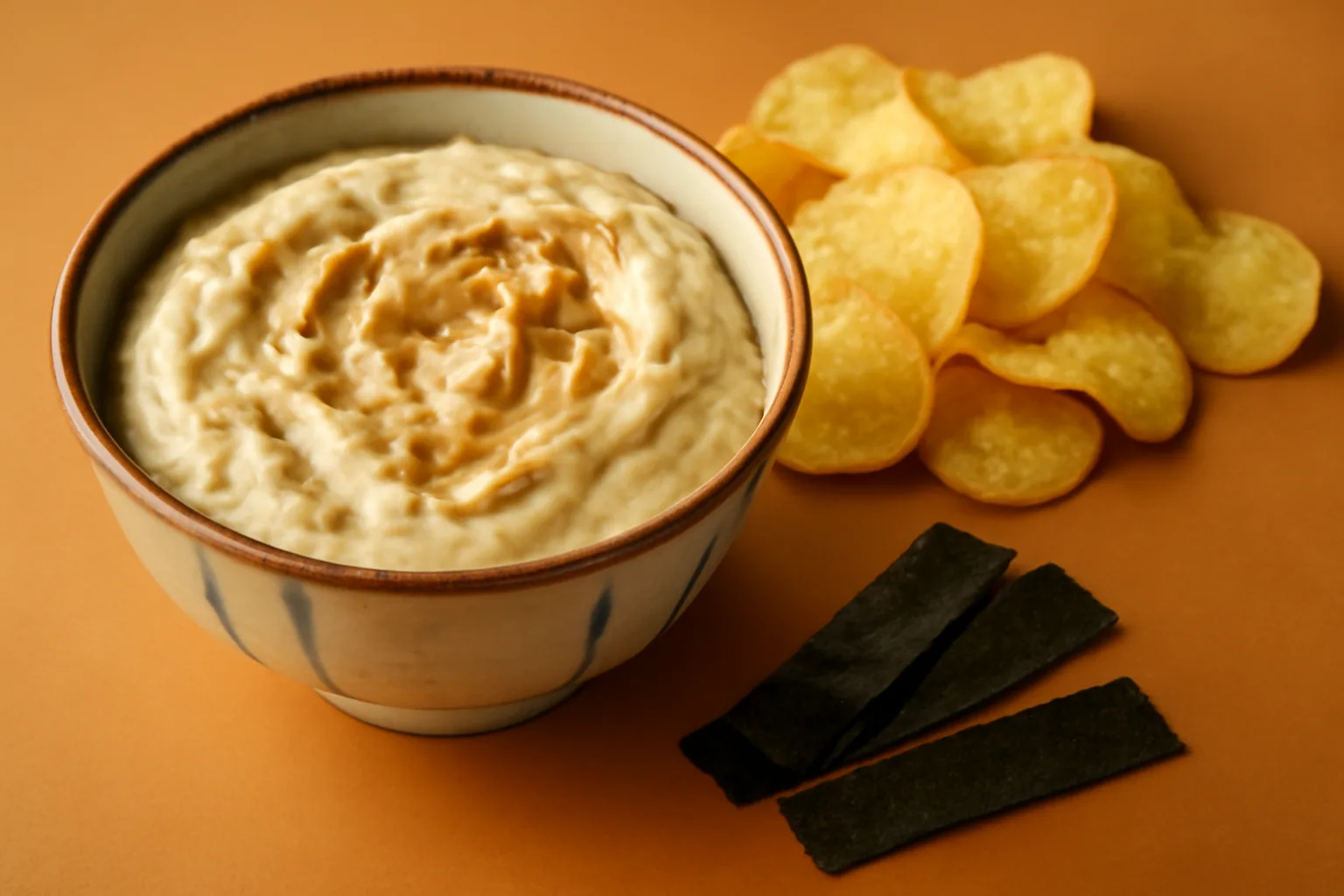
- Kettle-cooked potato chips — The thick, crunchy texture holds up to a generous scoop. Cape Cod or Kettle Brand are my go-tos. The salt-and-vinegar flavor variety is genuinely incredible with this dip.
- Toasted baguette slices — Brush with olive oil and broil for 3 minutes. The crispy exterior and chewy interior make each bite feel substantial.
- Endive leaves — Natural boats that scoop perfectly. They add a pleasant bitterness that contrasts beautifully with the sweet onions.
- Thick-cut cucumber rounds — Cool and refreshing. Great for guests watching dairy intake who still want something substantial to dip.
- Pretzel crisps — The salty crunch is a match made in party heaven. Specifically, the plain or sesame varieties let the miso flavors shine.
- Radishes — Sliced in half, they’re peppery, crunchy, and visually stunning on a platter. One of my most-commented presentation choices.
- Pita chips — Thick enough to carry a full scoop without breaking. Stacy’s Simply Naked variety is my standard pick.
The Ingredient That Makes It Better
Let’s talk about miso paste — because not all miso paste is created equal, and the quality of your miso is the single biggest variable in this recipe.
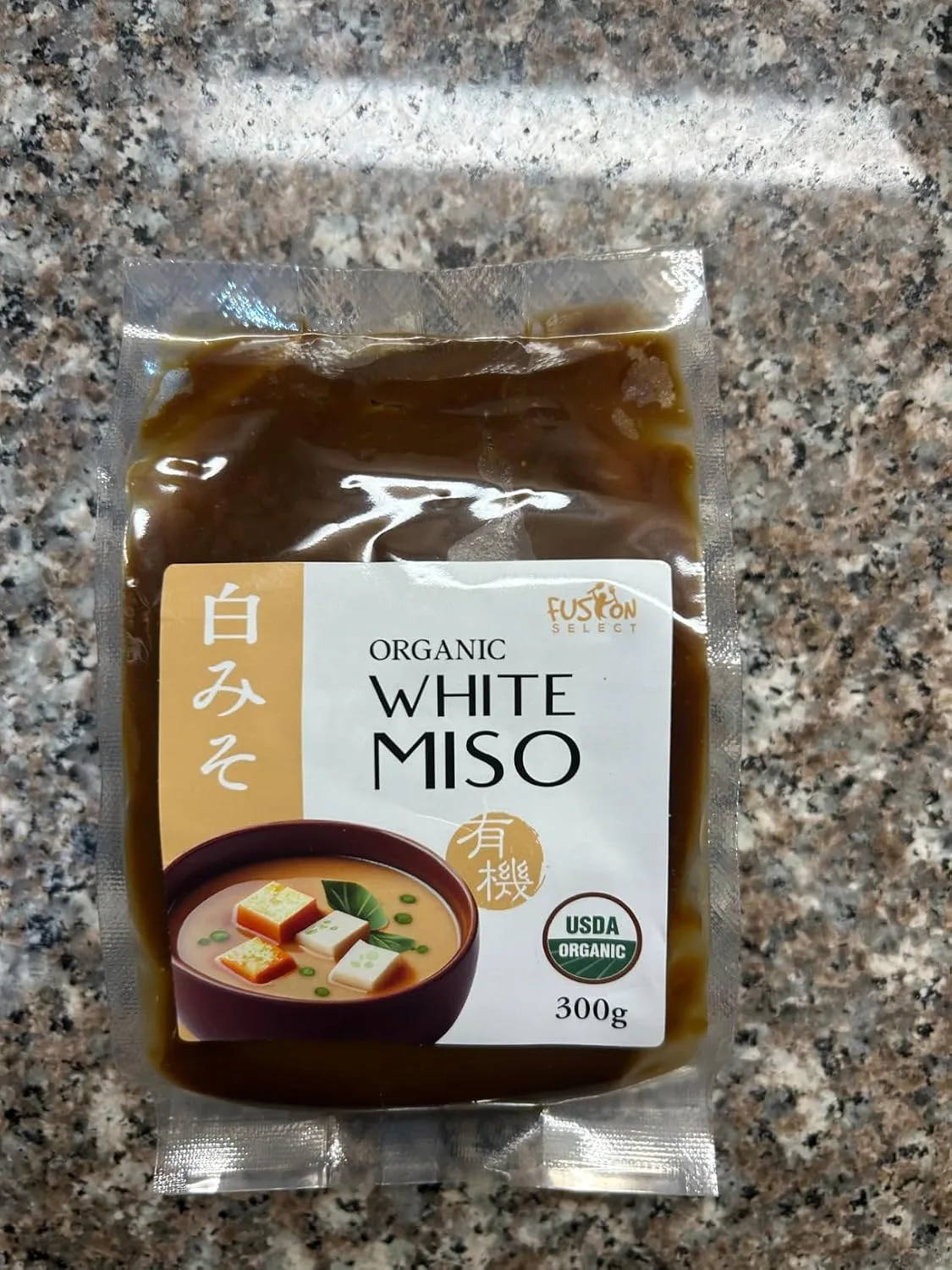
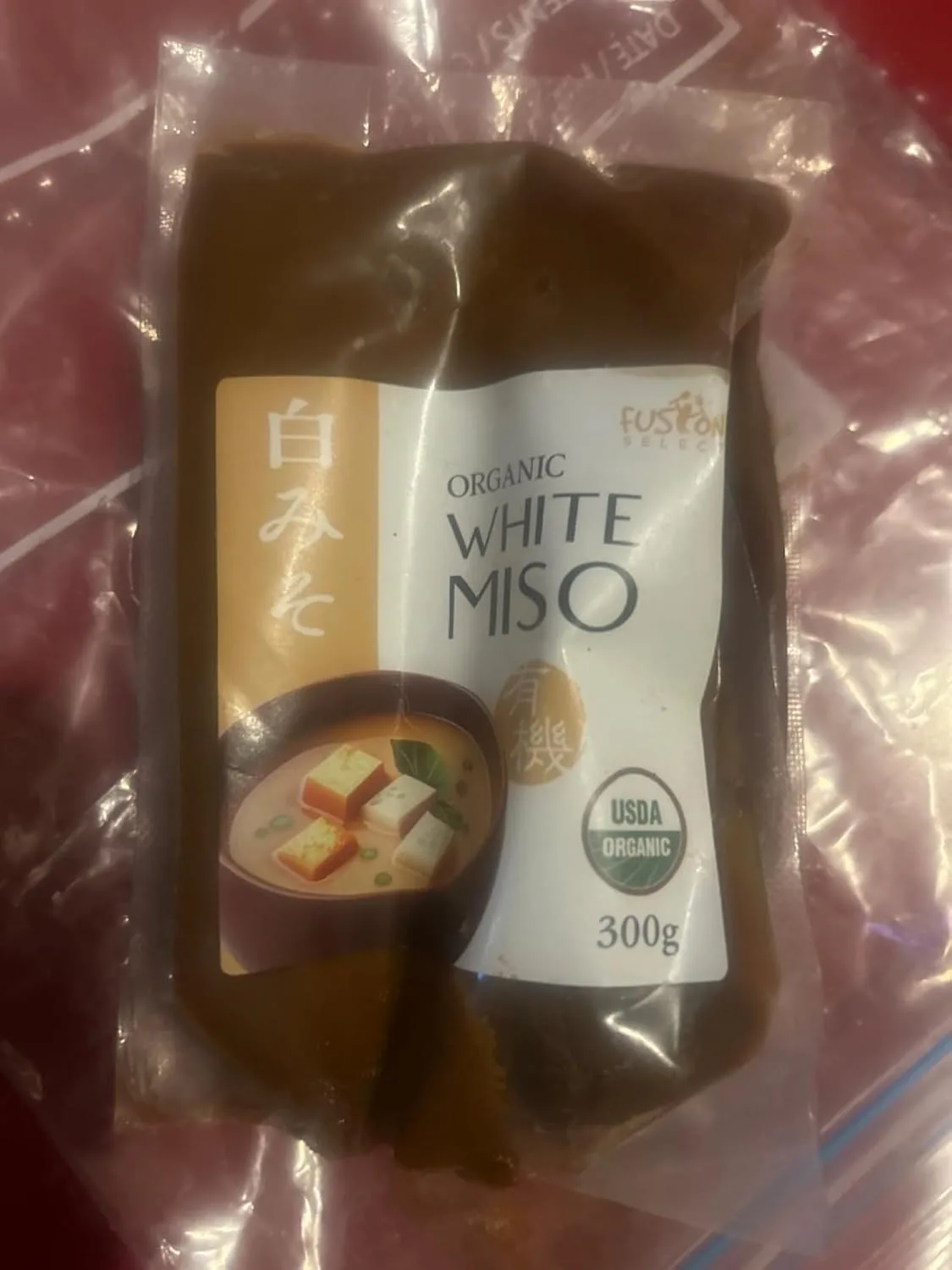
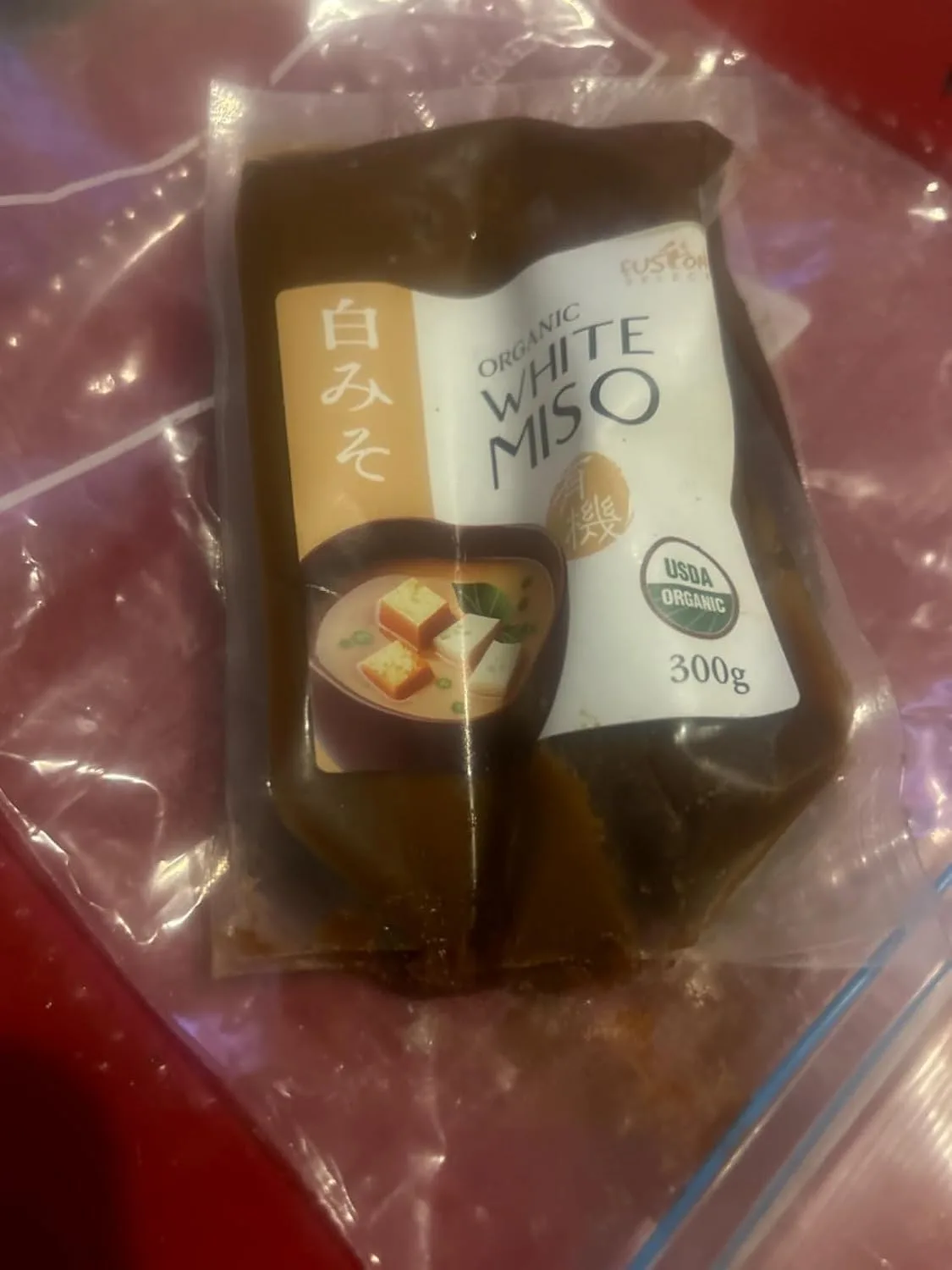
I’ve tested this dip with grocery store generic miso, restaurant supply tubs, and several specialty brands. The one I keep coming back to is Fusion Select Organic White Miso Paste. It’s made from fermented soybean and rice — a traditional combination — and it has a clean, balanced umami flavor that doesn’t taste harsh or overly salty straight out of the container.
The organic certification matters to me here. Fermented foods pick up flavor from everything around them during the fermentation process. Starting with quality, clean ingredients produces a noticeably more nuanced paste. The 300g size (about 15 servings) is also practical — you’ll use it for this dip and still have plenty left for miso soup, salad dressings, and marinades.
Since discovering this brand, my dip has gotten consistently more compliments. That’s not a coincidence. The miso is doing the heavy lifting, and using a good one shows.
That said, if you want a budget-friendly alternative that still delivers great results, the