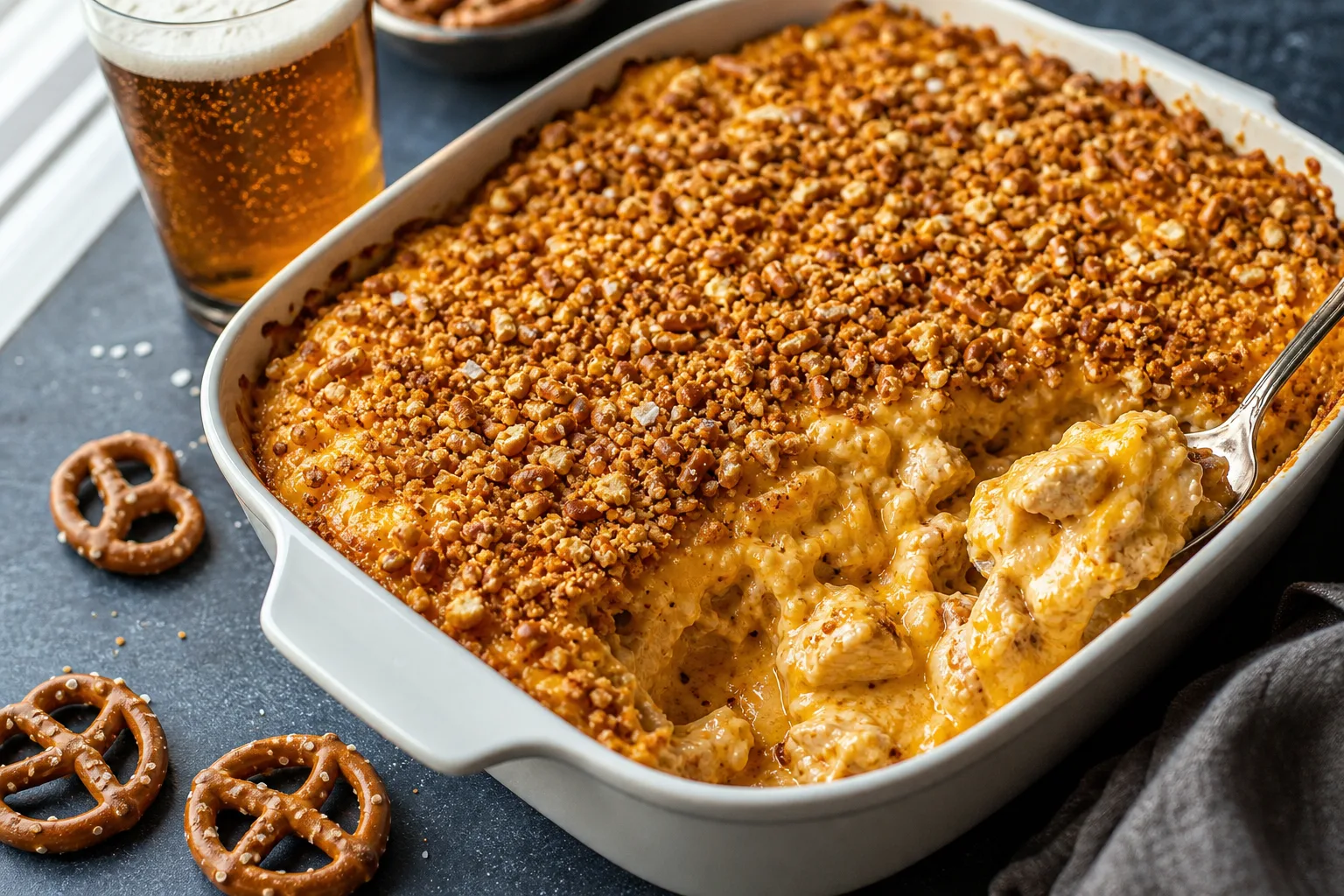

Beer in a cheese sauce is harder than beer in a braise, and not for the reason people expect. The problem is not the cheese. It is that beer is acidic, a cheese sauce is a dairy emulsion held together by starch and goodwill, and the two do not want to share a pan. Pour cold beer into hot milk and you can watch it go to curds in about four seconds.
The second problem is bitterness. In a stout braise, hop bitterness reads as depth, pushing back against the beef and the stock. In a mild cheddar sauce there is nothing for it to push against, so it is simply the loudest thing in the bowl, and it concentrates as the liquid reduces instead of cooking off.
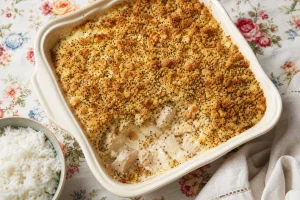
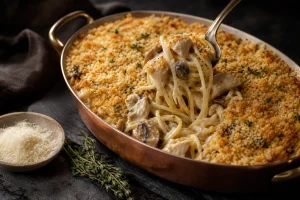
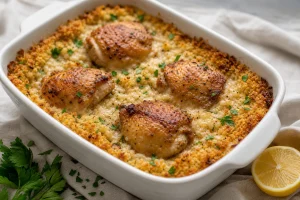
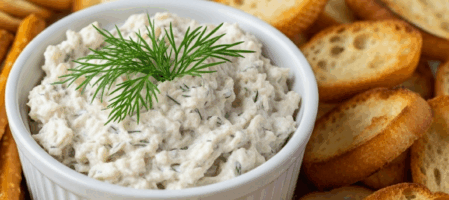
So this recipe spends its effort on two things: an order of operations that keeps the sauce smooth, and a beer choice that is close to the opposite of what you would pick for a braise. The pretzel crust is the easy part and the reason it gets requested. The two beer cheese dip posts at the bottom are the scoopable versions of this flavor — this is the dinner one.
Why This Works
The beer goes into the roux before any dairy, and it reduces on its own first. Flour-thickened beer cannot break, because there is no emulsion in it yet to ruin. Two or three minutes of real bubbling also drives off the carbonation and the raw bready smell, and it gets the beer hot. By the time the milk goes in, the acid is already dispersed through a starch-thickened base, and starch is what physically keeps dairy proteins from finding each other and clumping. Cold beer into hot milk is the same ingredients in the wrong order.
Ingredients
A 9×13 dish, 6 to 8 dinner servings. Rotisserie chicken is what I use and poached breast is fine — the other chicken casseroles here go further into that choice. Buy a bag of pretzels, not a tub of crumbs.
For the Casserole
- 10 ounces wide egg noodles
- 1 tablespoon olive oil, for the drained noodles
- 4 cups cooked chicken, pulled into bite-sized pieces (about 1 1/4 pounds)
For the Beer Cheese Sauce
- 5 tablespoons unsalted butter
- 1 small yellow onion, diced small
- 3 cloves garlic, minced
- 1/3 cup all-purpose flour
- 2 teaspoons mustard powder
- 1 teaspoon smoked paprika
- 1/2 teaspoon black pepper
- 1 cup brown ale, amber ale, or Munich dunkel — not an IPA
- 2 1/2 cups whole milk, warmed
- 1/2 cup half-and-half
- 12 ounces sharp cheddar, grated from a block (about 3 packed cups)
- 2 teaspoons Worcestershire sauce
- 1/2 teaspoon kosher salt, plus more to taste
For the Pretzel Crust
- 3 cups salted mini pretzels or pretzel sticks (about 5 ounces)
- 4 tablespoons unsalted butter, melted
- 1/2 cup grated sharp cheddar
No Beer? Here Is What Works
Use 1 cup of chicken broth plus 2 teaspoons of cider vinegar and an extra 1/2 teaspoon of mustard powder, added at exactly the point the beer would go in. The vinegar stands in for the faint sourness that makes beer cheese taste like beer cheese instead of plain cheese sauce. A non-alcoholic brown ale works too and tastes closer to the real thing.
How to Make It
Prep: 30 minutes | Bake: 35 minutes | Serves: 6 to 8
- Heat the oven to 375°F and butter a 9×13 baking dish. Put the pretzels in a zip-top bag and go over them a few times with a rolling pin. You want coarse rubble — pieces from pea-sized up to a quarter of a pretzel, with some dust. Powder bakes into sand. Toss with the melted butter until it looks like wet gravel, stir in the half cup of cheddar, and set it aside.
- Boil the noodles in well-salted water 3 minutes shy of the package time, so they still have a firm core. Drain, do not rinse, and toss with the olive oil. Put them in the buttered dish with the chicken.
- Melt the 5 tablespoons of butter in a large saucepan over medium heat and cook the onion with a pinch of salt for 6 minutes, until soft but not browned, then the garlic for 30 seconds. Whisk in the flour, mustard powder, paprika, and pepper and cook 2 minutes, stirring the whole time, until it looks like wet sand and smells toasty rather than raw.
- Beer first. Pour it in in two additions, whisking smooth after each. Let it bubble 2 to 3 minutes, until it has thickened to the texture of gravy and reduced by roughly a third. Do not add any dairy until that has happened.
- Add the warmed milk in a slow stream, whisking constantly, then the half-and-half. Bring it to a bare simmer and cook 4 to 5 minutes, until it coats the back of a spoon. Then turn the heat to low: from here on you want small bubbles at the edge of the pan and nothing more.
- Add the cheddar in three handfuls, stirring until each one disappears before the next goes in. Take the pan off the burner before the last handful and stir it in on residual heat alone. Add the Worcestershire and the salt, then taste — a salty crust is going on top, so stop short of where you would normally stop.
- Pour the sauce over the noodles and chicken and fold until everything is coated. It will look too saucy, which is correct: the noodles are still underdone and will drink a good half cup of it. Level the top and bake, uncovered, for 20 minutes.
- Scatter the pretzel crust evenly over the surface and bake another 12 to 15 minutes, until the crust is deep brown and the sauce is bubbling up around the edges. Rest 10 minutes before serving, or the first scoop runs.
Never Let It Simmer Once the Cheese Is In
Cheddar is an emulsion of fat and protein. Above a bare simmer the protein tightens into threads and squeezes the fat out, and you get an oily, stringy sauce with grit in it. Low heat, off the heat entirely for the last handful, and no hard boiling in the oven either — that is why the bake runs at 375°F and not 425°F.
Can You Make It the Night Before?
Yes — Assemble Up to 24 Hours Ahead
Assemble up to 24 hours ahead with two things held back: the pretzel crust and about a third of a cup of milk. The crust goes on only when the dish goes into the oven, and the extra milk gets stirred in cold, because a flour-thickened cheese sauce sets up firm in the refrigerator and needs that slack back.
Press plastic wrap onto the surface rather than tenting foil over it — a skin on a cheese sauce is just lost sauce. Take the dish out 45 minutes before baking, stir the extra milk in from the edges, and add 12 to 15 minutes to the uncovered stretch, keeping the crust timing the same. Fridge-cold going in means a lukewarm middle when the top is done.
It freezes better than most cheese-sauce casseroles, and I think the roux is why: flour holds the emulsion through a freeze where a cornstarch or cream cheese sauce splits. Freeze it assembled and uncrusted for up to two months and thaw overnight. Do not freeze the crust — it comes back stale rather than crisp. Reheat leftovers at 325°F for 20 minutes, which keeps the pretzels closer to crunchy than a microwave will.
Which Beer to Use, and Why It Is Not Your Braise Answer
In a braise you can be bold, because browned meat and stock will absorb whatever the beer brings. A stout braise is a good dish. A stout cheese sauce is not: roasted barley turns cheddar a dull gray-brown, and the burnt-coffee notes read as scorched rather than rich.
Bitterness is the real constraint. Hop compounds are not volatile the way alcohol is, so they do not cook off — they stay behind and concentrate as the liquid reduces. A beer that is pleasantly bitter in the glass tastes noticeably sharper after three minutes in the pan, and there is no meat or tomato here to hide behind. An IPA will run the whole casserole, and it is the most common way people wreck this dish.
What works is malt-forward and low on hops: a brown ale, a Munich dunkel, an amber ale, or a plain mild lager. They bring bread, caramel, and a little nutty sweetness, which is what cheddar wants. One cup tastes clearly without taking over. If a hoppy beer is all you have, use a half cup of it with a half cup of broth and expect it to lean bitter anyway.
The Two Beers That Ruin It
An IPA or any aggressively hopped pale ale bitters the sauce past saving. An imperial stout, or anything heavily roasted, turns it gray and tastes burnt against the cheddar. Both are worth naming because both are beers people reach for on the assumption that stronger means more flavor.
The Pretzel Crust, and Why It Goes On Late
Three things separate a pretzel crust from pretzel mush. Crush coarse, so there is structure left to crisp. Toss in melted butter, so each piece fries a little instead of steaming. And add it partway through the bake rather than at the start — 35 minutes over a wet cheese sauce and the bottom layer dissolves into paste while the top scorches. Twelve to fifteen minutes browns it and is not long enough to soften it.
The other thing to account for is salt. Pretzels arrive already salted, and five ounces of them spread over a casserole is a real amount of it. That is why the sauce gets a half teaspoon and a taste rather than being seasoned until it is delicious on the spoon. If the sauce tastes perfect on its own, the finished dish will be too salty.
Rachel’s Tip
Grate the cheddar off a block, and use the mustard powder even if you do not like mustard. Pre-shredded cheese is dusted with potato starch or cellulose so it does not clump in the bag, and that coating never dissolves — it sits in the sauce as fine grit. Mustard powder, meanwhile, helps hold fat and water together, so it is doing real emulsifying work on top of what it adds to the taste.
Questions People Ask
Why did my beer cheese sauce turn grainy?
Three usual causes, in order: pre-shredded cheese, heat, and speed. The anti-caking starch on bagged shreds never fully dissolves. Anything above a bare simmer once the cheese is in curdles the protein. And dumping all of it in at once chills the pan unevenly, so some seizes. Grate from a block, keep the heat low, and add it in three handfuls with the pan off the burner for the last one.
Does the alcohol cook off?
Not entirely, and less than in a long braise. A sauce that bubbles for a few minutes and then bakes keeps a real fraction of what went in, and the fat holds onto some of it. Spread across eight servings it is a small amount per plate, but if you are cooking for someone avoiding alcohol altogether, use the broth and cider vinegar version above instead of counting on it to bake away.
My sauce tastes bitter. Can I fix it?
Only partly. Stir in a quarter cup more half-and-half and a half teaspoon of sugar off the heat; fat and sweetness cover some of it. What you cannot do is remove it — bitterness does not bake out, and it concentrated while the sauce reduced. Change the beer next time. That is the whole fix.
Why did the pretzel crust go soft?
It went on too early, or it was not buttered. Pretzels sitting on a wet sauce for the full bake absorb it and turn to paste, and butter is what slows that down. Twelve to fifteen minutes at the end browns the crust before it can soak. Leftovers soften regardless, and an oven reheat brings them back partway where a microwave will not.
About This Article

Written by Rachel Thompson. Rachel Thompson is a home cook who has spent over 10 years making an unreasonable number of dips, appetizers, and party spreads — no culinary training, just a decade of trial and error and a reputation among friends for always being asked to "bring a dip." She focuses on approachable recipes that combine bold flavors with simple techniques, making entertaining at home accessible to everyone. More about this site.
Scope and limits. Rachel is a home cook with no culinary training. Follow current food safety guidance for holding temperatures and time limits whenever you are serving people other than yourself.
Verify this against a primary source
Specifics change, and your situation may differ from the one described here. These are the authorities worth checking directly:
- FoodSafety.gov — cold holding, hot holding and the two-hour rule
- USDA FoodData Central — ingredient composition and nutrition data
- USDA Food Safety and Inspection Service — safe minimum temperatures and leftovers